
Using Software Tools for Data Analysis in Exercise Assessment
The integration of software tools in exercise physiology has transformed how data is analyzed during exercise testing and assessment. Software applications enable clinicians and researchers to efficiently gather, process, and interpret complex datasets from various fitness assessments. These tools support a comprehensive evaluation of an individual’s performance, allowing for better monitoring of progress and identification of areas needing improvement. Furthermore, these applications often come with user-friendly interfaces, enhancing accessibility for practitioners and analysts alike. Additionally, software solutions can handle large datasets that result from repeated exercise tests, making analysis both efficient and effective. Numerical data, such as heart rates and oxygen uptake, can be seamlessly integrated into personalized reports. Such functionality not only saves time but also reduces the likelihood of human error in calculations. Moreover, many software tools use advanced algorithms for predictive modeling, helping prepare for future exercise performance. This critical insight assists in creating tailored training plans, thus optimizing results. As technology continues to advance, exercise assessment tools become increasingly sophisticated, allowing professionals to unlock deeper insights into athletic performance.
Within the realm of exercise testing and assessment, the role of data visualization cannot be underestimated. Utilizing software tools to represent data graphically simplifies complex information, making it easier to communicate findings effectively. Color-coded graphs, pie charts, and line diagrams can depict trends in performance metrics intriguingly and understandably. These visual representations allow practitioners to compare individual results against normative data or benchmarks over time. Clients and athletes may find such graphics empowering as they can quickly grasp improvements or declines in performance. Additionally, effective data visualization facilitates better discussions between clients and trainers, ensuring that exercise prescriptions align with individual goals. Moreover, the incorporation of interactive dashboards enables users to filter data according to specific metrics or timeframes. Such flexibility encourages deeper engagement with the data while fostering accountability. Utilizing advanced visualization tools within software applications enhances presentations for research, education, or clinical settings. By transforming quantitative analyses into compelling visual narratives, practitioners can drive meaningful conversations and interventions. As the fitness industry leverages data-driven decision-making, mastering the art of visualization becomes essential for any professional involved in exercise assessment.
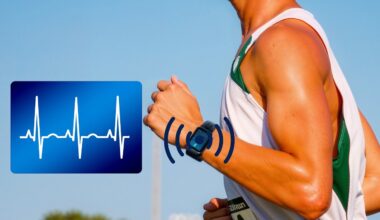
A critical aspect of software tools for exercise assessment is their ability to provide real-time feedback to participants. Many applications are designed to deliver instant analysis during exercise testing sessions, allowing athletes to make immediate adjustments. This feature is crucial for optimizing performance, as it significantly enhances the training experience. With inputs gathered during tests, algorithms can quickly calculate key physiological variables such as heart rate recovery and anaerobic thresholds. By offering instant feedback, these tools encourage athletes to push themselves beyond their limits while ensuring they remain within safe operational zones. Furthermore, real-time insights generate motivational factors, encouraging consistent effort during training sessions. This interactivity promotes a dynamic training environment, with practitioners able to modify training loads based on live data insights. For endurance athletes, equipment such as heart monitors integrated with software tools has shown significant benefits. These devices and their corresponding apps allow for continuous monitoring, which plays a vital role in achieving peak performance. Trainers can adapt training plans based on accumulated data, resulting in informed decision-making and personalized approaches that account for an athlete’s unique physiology.
Enhanced Reporting Functions
Exercise assessment software often includes robust reporting capabilities, which enhance how results are documented and communicated. These applications permit easy generation of detailed reports that outline individual performance metrics, trends, and recommendations based on assessment outcomes. Practitioners can quickly compile essential data into user-friendly formats, ensuring clients understand their results. Tailored reports often consist of visual aids, summaries of key metrics, and actionable insights that empower individuals to take charge of their fitness journey. Additionally, the ability to export reports in different formats, such as PDFs or spreadsheets, ensures the results can be shared conveniently with other health professionals when necessary. This interoperability between software solutions allows comprehensive approaches to athlete care and recovery strategies. Moreover, effective reporting helps set clear expectations and goals for future sessions, enhancing accountability between clients and trainers. Assessments can be followed up with scheduled re-evaluations to track progress systematically. This cycle of assessment and feedback is essential for long-term success in exercise physiology. As software tools continue to advance, so will their capabilities in providing insightful analytical reports that foster better outcomes.
One notable trend in exercise assessment is the rise of mobile applications catering to both fitness professionals and clients. These portable solutions provide accessibility to data analysis tools regardless of location, allowing trainers to assess and monitor progress anytime, anywhere. Users can input performance data through their smartphones or tablets during training sessions, enabling continuity in tracking results. This portability eliminates barriers to accessing vital information, leading to better adherence to exercise programs. Mobile applications often sync with wearables like smartwatches, providing continuous monitoring while also enhancing data collection methods. Many of these apps include social features, allowing users to connect with others for motivation and accountability. Community engagement can significantly impact an individual’s fitness journey, fostering supportive relationships that enhance commitment to goals. Furthermore, gamification elements integrated into these applications encourage participation through challenges and rewards. As the fitness landscape shifts towards more digital solutions, the reliance on software tools will only increase. Trainers must stay abreast of technological innovations to maximize the effectiveness of their programs and keep clients engaged optimally. This approach positions fitness professionals to leverage data analytics in an increasingly competitive industry.
Collaboration between exercise physiology professionals and software developers is crucial for the future of exercise assessment tools. By actively engaging in discussions about user needs, developers can create applications that address specific challenges faced by practitioners. This close-knit relationship ensures that software tools remain relevant and effective for their intended purpose. Moreover, feedback from practitioners informs developers about necessary features and usability improvements. This collaboration can lead to continuous updates, ensuring applications remain current with changing industry standards. Additionally, industry-specific research can inspire new software functionalities, enabling deeper data analysis. Advanced machine learning algorithms, integrated within these tools, can provide predictive insights and uncover underlying trends not immediately visible through traditional analyses. As advancements in technology emerge, leveraging big data will become essential in refining exercise assessment strategies. As such, ongoing partnerships between professionals and developers cultivate innovative solutions, enriching the knowledge base within the field. With a focus on user experience and capabilities, these efforts enhance exercise assessment tools’ efficacy, ensuring they serve their users effectively. The future of exercise assessment lies in combining physiological expertise with cutting-edge technology, facilitating optimal athlete performance.
Future Directions in Exercise Assessment
Looking ahead, the incorporation of artificial intelligence and machine learning in exercise assessment technologies presents exciting possibilities. Integrating these advanced technologies into software solutions could revolutionize how data is analyzed and utilized in real-time. For instance, AI algorithms could identify patterns in an athlete’s performance that humans might overlook. This capability can significantly enhance decision-making related to training and recovery strategies. Additionally, machine learning techniques may enable more personalized exercise recommendations based on historical data and individual response patterns. Such tailored approaches could offer enhanced recovery plans, injury prevention strategies, and optimized performance pathways. Moreover, as data privacy concerns continue to rise, the development of secure platforms will become a priority. Ensuring data protection and compliance with regulations remains paramount as the industry embraces technology. Furthermore, as software tools evolve, educational programs must keep pace with these advancements to prepare future professionals adequately. Integrating technology principles into exercise physiology curricula will foster an informed workforce ready to leverage innovations. Ultimately, by combining innovative software solutions with expert knowledge, practitioners can create an environment where athletes reach their peak potential through data-driven insights.
In summary, the integration of software tools for data analysis in exercise assessment profoundly impacts the fitness industry. With capabilities to collect, visualize, and report exercise data effectively, these applications streamline processes that enhance athletic performance. Real-time feedback features allow both trainers and athletes to respond dynamically during testing sessions, maximizing training opportunities while minimizing the risk of errors. Furthermore, collaborative efforts between experts and developers ensure these tools continue evolving to meet practitioners’ changing needs. Mobile applications bring accessibility to the forefront of exercise assessment, enabling users to track progress seamlessly. In an era of technological advancement, the role of software tools will only increase within exercise physiology. The future of exercise assessment rests on the integration of AI and machine learning technologies, positioning data-driven solutions at the industry’s forefront. Ultimately, fostering a culture that embraces innovation and collaboration is vital for optimizing athletic performance. As professionals adapt to and master these software tools, athletes can benefit from personalized approaches to training and recovery. Embracing these advancements will allow the industry to achieve new levels of understanding in exercise science, paving the way for future breakthroughs.