
Use of Braces and Supports in Managing Winter Sports Injuries
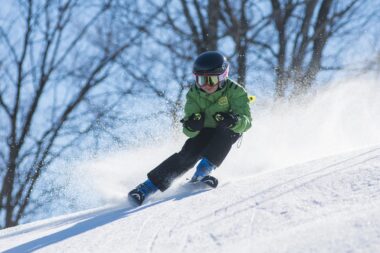
Winter sports come with their share of risks, leading to various injuries, including sprains, strains, and fractures. These injuries often arise during activities like skiing, snowboarding, and ice skating. One effective way to manage these injuries is through the use of braces and supports. Braces can provide crucial stability, thereby reducing the likelihood of further damage to the injured area. When athletes wear supportive gear, they often find relief from pain while maintaining mobility. Additionally, these supports enable quicker recovery times by promoting proper alignment during physical activity.
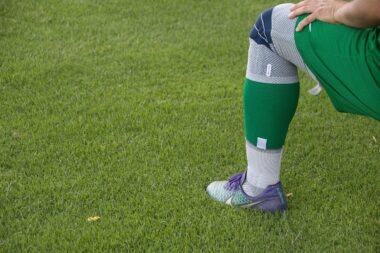
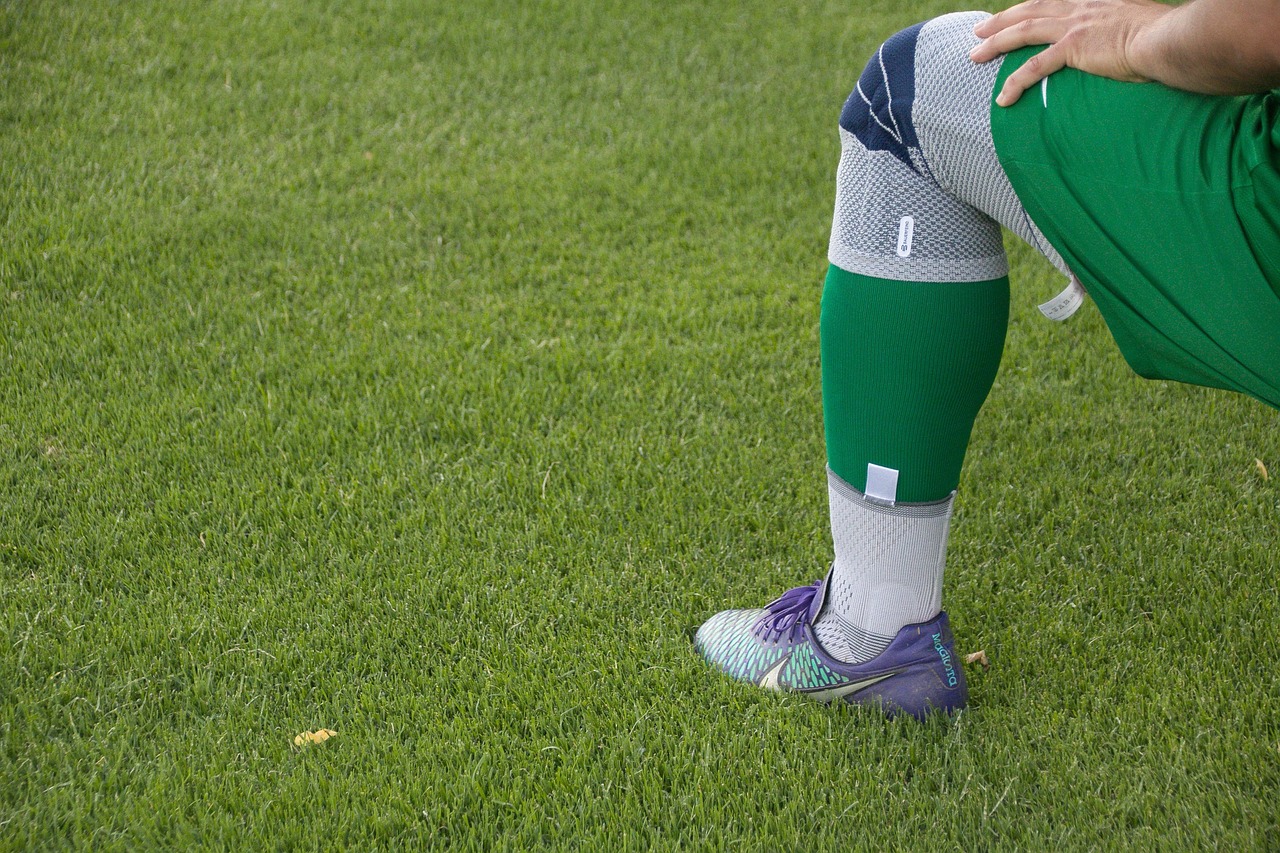
Various types of braces exist, tailored for specific injuries and activities. For instance, knee braces are popular among skiers, as they protect the joint while offering necessary support. Ankle supports are frequently used in snowboarding to stabilize the ankle against twists and turns. Back supports can also be beneficial for those involved in winter sports, as they assist in maintaining proper posture and reducing strain on the lower back. Furthermore, wrist braces are often worn by ice skaters to prevent hyperextension and other wrist-related injuries. Each of these supports plays a critical role in an athlete’s overall performance.
Benefits of Wearing Braces
Wearing braces during winter sports activities offers numerous benefits that enhance performance and safety. One major advantage is that they act as preventive measures against common injuries. By offering compression and support, they help stabilize joints and muscles, reducing the risk of sprains and strains. Additionally, braces can improve balance and proprioception, allowing athletes to react more effectively to their surroundings. This enhanced responsiveness is crucial in fast-paced winter sports, where split-second decisions can significantly impact safety. Athletes wearing braces may also experience less post-activity soreness, promoting a quicker recovery.
In addition to physical benefits, there are psychological advantages to using braces and supports during winter sports. Athletes who feel protected by this gear often experience increased confidence levels, enabling them to take on more challenging slopes and activities. This heightened sense of security can lead to improved performance, as athletes push their boundaries. However, relying solely on braces without proper training can be counterproductive. Athletes must continue strengthening their muscles and honing their skills to prevent reliance on supports. Education on proper use and maintenance of braces is also vital in ensuring long-term benefits.
Choosing the Right Support
Selecting the appropriate brace or support is fundamental to managing winter sports injuries effectively. Athletes should consider factors such as the type of injury, the sport involved, and personal comfort levels. Consultation with a healthcare professional is advisable, as they’ll provide recommendations tailored to individual needs and activity styles. Moreover, it’s essential to ensure that braces fit correctly; ill-fitting equipment can lead to discomfort and may not offer the intended support. Athletes should also be aware of the materials used in braces, as some may provide better moisture-wicking and temperature regulation for cold conditions.
Regular maintenance of braces and supports is key in ensuring their effectiveness over time. Athletes should routinely check for signs of wear and tear, as frayed straps or weakened materials can compromise performance. Proper cleaning is also important, particularly for braces that come into contact with sweat and snow. Following manufacturer guidelines for care significantly extends the lifespan of these supports. Additionally, athletes should consider replacing their braces as needed and after hands-on consultation with their healthcare provider. This ensures they always have the right support to prevent injuries while participating in winter sports.
Conclusion
In summary, braces and supports have become integral to the management of winter sports injuries. They not only aid in recovery but also enhance performance and safety margins. Athletes who utilize these supports often enjoy prolonged participation in their favorite winter sports activities, allowing them to push their limits without fear. Understanding the benefits of using braces, selecting the right support, and ensuring proper maintenance will significantly reduce the risk of injuries. As winter sports continue to grow in popularity, the knowledge of how to protect oneself through braces will be invaluable for athletes around the globe.
Ultimately, the integration of braces into winter sport practices is a proactive approach to injury management. The support and stability they provide can make a significant difference in an athlete’s experience on the slopes or rink. As participants taken measures to protect themselves, they are likely to enjoy their winter adventures more fully and with greater peace of mind. Empowering athletes with the knowledge and tools, including braces, to prevent injuries will lead to safer participation in winter sports and an increased appreciation for these exhilarating activities.