
The Best Warm-Up Routines for Chun Kuk Do Classes
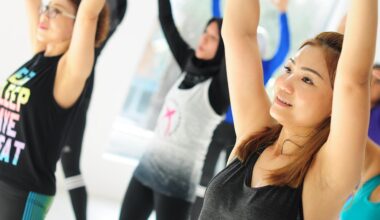
Before participating in any Chun Kuk Do class, a proper warm-up is essential to prepare your muscles and joints, reducing the chance of injury. An effective warm-up routine can enhance your performance significantly. Start with general cardiovascular activities to increase your heart rate. Jogging around the dojo for approximately 5 to 10 minutes is ideal. Next, implement dynamic stretching which specifically targets the muscle groups you will engage during classes. Movements like arm circles, leg swings, and torso twists not only improve flexibility but also ensure that your muscles are ready for action. Incorporate high knees and butt kicks as part of your warm-up to activate your core and lower body muscles. These activities can significantly enhance your agility and reflexes. To further improve your range of motion, consider breaking down your warm-up into segments focusing on different body parts. You can also include sport-specific movements, such as kicking drills or basic stances. These activities will ensure that you are physically and mentally ready, leading to an effective and enjoyable Chun Kuk Do session. Remember, a good warm-up is the key to a successful martial arts class.
Dynamic Stretching for Flexibility
Incorporating dynamic stretching into your warm-up routine for Chun Kuk Do classes is effective in improving flexibility and mobility. This type of stretching involves active movements that increase your range of motion. Begin with movements such as walking lunges; step forward into a lunge while keeping your torso upright. This will help stretch your hip flexors while engaging your core. Another excellent dynamic stretch is the leg cradle. By pulling one leg towards your opposite shoulder, you address the hamstring and glute areas while maintaining balance. You can also practice arm swings and torso twists, which will loosen up your upper body and enhance your overall agility. Side lunges can target the inner thigh muscles as they crucially aid in various kicks utilized in Chun Kuk Do. Additionally, dynamic stretches can resemble the type of moves performed during actual Chun Kuk Do techniques. This way, you’re not just preparing your body but also mentally rehearsing the movements. Completing these routines can remarkably enhance your flexibility over time, making you more adept in executing techniques with precision and power, thereby unlocking your full potential.
Engaging in joint rotations is another effective addition to your warm-up routine for Chun Kuk Do. Start with your wrists and move upwards to your shoulders, allowing each joint to achieve a full range of motion. This is crucial because martial arts heavily rely on the effective functioning of joints. Then, progress to your ankles and knees. This will significantly enhance their elasticity and strength. Additionally, incorporating specific martial arts movements like basic kicks or stances during your warm-up can prepare your body both physically and mentally. This practice not only helps hone your technique but also familiarizes your muscles with those repeating movements, making them more relaxed when performing actual techniques. To cap off your warm-up, spending a few minutes practicing deep breathing can bring calmness and focus. Aligning your mental condition with your physical state creates a full-body readiness required for martial arts. Finish your thorough routine by reminding yourself of your goals for the class. A dedicated warm-up not only physically prepares your body but also psychologically primes your mind for the challenges and skills ahead.
Importance of Heat Generation
Implementing warm-up activities designed for heat generation is crucial for an effective start to any Chun Kuk Do class. Increased body temperature helps enhance your muscle performance. Begin with light aerobic exercises such as shadowboxing or jump rope. These activities accelerate blood circulation and warm up your muscles thoroughly. Such preparation significantly reduces the risk of injuries during intensive training. Gradually increase your intensity; you want to stir your muscles without over-exerting yourself before class begins. Additionally, short bursts of agility drills—like quick lateral shuffles or cone drills—will further amplify your heart rate. This sparks your body’s thermoregulation, ensuring you can adequately engage in subsequent activities. Engaging in these heat-generating exercises can improve coordination and enhance your reflexes. It allows your body to adapt to the demands of different Chun Kuk Do techniques more seamlessly. Always transition smoothly among each exercise to maintain a steady heart rate, which helps your body prepare efficiently. This practice allows your body to operate at optimum levels, ensuring you fully embrace the myriad of movements in Chun Kuk Do. Consequently, the auxiliary benefits enhance both skill level and endurance.
In addition to physical preparation, it’s essential to set mental intentions during your warm-up routine. Before stepping onto the mat for your Chun Kuk Do class, take time to personally reflect on your goals for that session. Mental preparation is as important as physical readiness, as it helps to channel your focus towards your training. Engage in visualization techniques where you imagine executing specific techniques successfully. This builds confidence and reinforces muscle memory essential for martial arts success. Affirmations or self-motivated statements can bolster your mental state as well, creating a positive environment for your training. Incorporating brief moments of mindfulness or deep-breathing exercises can help release tension and center your thoughts. Taking a few deep breaths before each training session calms your nervous energy and helps to clarify your thoughts. Engaging in this practice consistently will help maintain a heightened state of alertness, awareness, and focus throughout your class. The mental aspect of martial arts cannot be overlooked. A balanced approach encompassing physical and mental preparation primes you more efficiently for the challenges that lie ahead in Chun Kuk Do.
Cooldown Techniques
As you finish your Chun Kuk Do training, don’t overlook the importance of cooldown routines. This period is crucial for recovery and helps your body transition smoothly post-practice. Incorporate static stretching exercises into your cooldown to improve flexibility and release muscle tension. Target major muscle groups that were engaged during class, such as calves, hamstrings, and shoulders. Hold each stretch for approximately 20 to 30 seconds to benefit fully. Light aerobic activities, such as walking or gentle cycling, can help return your heart rate to normal while flushing out lactic acid that builds up during intense training. Implementing a cooldown routine can significantly improve your recovery time, allowing you to hit the mats again more effectively. Remember to hydrate appropriately following your workout to re-establish fluids lost through sweating. Nutrition also plays an essential role; consider refueling with a light snack including proteins and carbohydrates. This aids in muscle repair and overall physical recovery. Prioritizing a proper cooldown routine enhances muscle elasticity, significantly reducing soreness and injury risk while preparing your body for subsequent classes.
Lastly, keep your warm-up routine enjoyable and engaging. Incorporating elements of fun can enhance your motivation to prepare for each Chun Kuk Do class. Consider involving a partner for drills or games that require movement as part of your warm-up. This can include shadow sparring or partner stretching, which not only strengthens bonds but also encourages accountability among peers. Different formats, such as team challenges or relays, can add an exciting twist to your routine. Ensure each activity is structured to maintain focus on muscle engagement while keeping spirits high. Involving elements of competition can also foster teamwork and motivation. Consistency in maintaining a fun warm-up regime will ensure you arrive at class more eagerly, ready to engage. This approach creates positive associations with training and martial arts in general. By implementing enjoyable variations during warm-ups, you create an inviting environment that fosters growth and enthusiasm in martial arts. Remember, warm-ups serve not just to prepare your body but to cultivate a continual love for the discipline you practice.