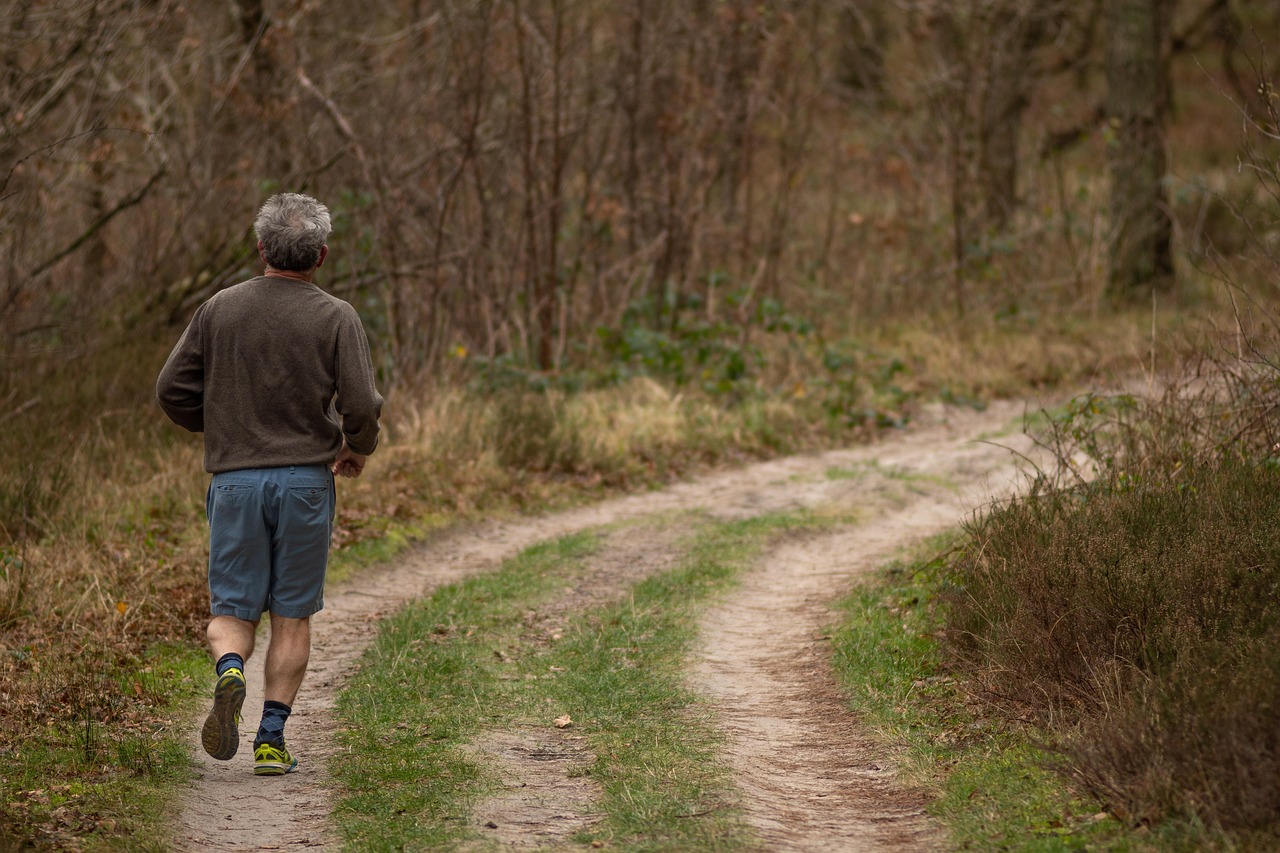

Trail Running Hill Training for Older Athletes
Trail running is a fantastic form of exercise, especially for older athletes seeking to stay active. It combines the joy of running with the serene beauty of nature. Engaging in hill training adds an extra layer of challenge while enhancing physical fitness. Hill workouts increase strength, endurance, and cardiovascular health. For older athletes, pursuing this form of training can help maintain muscle mass and mobility. The focus on downhill and uphill terrain minimizes impact while optimizing the physical benefits. Regular training on hills builds powerful muscles in the legs, which helps in balance and stability. As shoes must play an important role, wearing appropriate trail running shoes is crucial. These shoes provide grip, support, and protection against rugged surfaces. Older runners should prioritize safety while exploring hilly trails, ensuring clear paths and proper warm-ups. Mindfulness is essential; maintaining a steady pace and listening to one’s body protects from injuries. Older athletes need to keep hydrated and monitor their heart rates. Incorporating hill workouts into a regular routine can rejuvenate a passion for running while keeping fitness goals on track.
The Benefits of Hill Training
Hill training specifically offers numerous advantages for older athletes aiming for improved performance. Increased stamina is one significant benefit, allowing for longer runs and greater resilience. The added elevation engages different muscle groups than flat terrain. Consequently, hill workouts develop and strengthen lower body muscles, especially the calves, quadriceps, and hamstrings. Improved cardiovascular fitness is another key benefit derived from hill running. Running uphill raises heart rates, promoting better circulation. An engaging trail offers both physical and mental benefits, connecting athletes to nature as they run. Enhanced balance is essential as it leads to fewer injuries on trails with unpredictable surfaces. This makes hill training particularly appropriate for older athletes, as maintaining stability is crucial for avoiding falls. Additionally, tackling hills can boost self-confidence, demonstrating physical capabilities that defy age. Older runners may also find themselves enjoying the scenery around them more when they focus on hill runs, fostering appreciation for the environment. Structuring weekly training sessions around hill workouts creates versatile routines. Popular running events often feature hill components; by training specifically for these, athletes mitigate the intimidation factor before race day, leading to improved performance.
When considering hill training, older athletes must approach it with a well-defined plan. Gradually incorporating various hills into regular runs helps to adapt both body and mind. Runners can start with gentle slopes, progressively increasing difficulty levels. Consistency contributes to building strength and endurance effectively while avoiding injuries. Mapping local trail routes is vital for identifying appropriate training spots. Older athletes should include a mix of downhill and uphill runs to develop varied muscle engagement. This method will also improve running form, as making adjustments on inclines promotes better mechanics. Incorporating interval training on hills further enhances aerobic capacity. Taking short breaks between intense hill workouts allows sufficient recovery. It’s also beneficial to include strength training exercises that focus on core stability and leg drive. Planks, squats, and lunges complement trail workouts by building the necessary strength to hold form over time. Older athletes can support their training by involving friends or groups for motivation and accountability. Sharing the goal of hill training can simplify adherence while fostering a sense of community. Finally, celebrating milestones, however small, ensures that motivation remains high and the experience remains enjoyable.
Safety Tips for Older Trail Runners
Safety is paramount for older athletes engaged in trail running, particularly when including hill training. Listening to one’s body is fundamental; any unusual discomfort should prompt a reassessment of the workout. Wearing appropriate gear is essential as well, especially trail shoes that provide traction. Layered clothing allows for adjustments with temperature changes, optimizing comfort during runs. Also, be mindful of the terrain; rocky trails may present obstacles that could cause falls. Carrying identification and a mobile device during runs offers reassurance in case of emergencies. Hydration is critical, especially on warmer days. To ensure proper fluid intake, older athletes should plan to bring water along. Navigating a trail also involves respecting fellow runners and hikers. Giving way to others fosters a sense of community and enhances the overall experience. Incorporating a warm-up and cool-down routine prevents injuries as well. Stretching before and after running improves flexibility and recovery. Older athletes should consider trail running during daylight hours when visibility is optimal. Lastly, keeping a consistent pace supports sustained energy throughout the run, ensuring an enjoyable and safe hill training experience.
Nutritional support plays a vital role in the effectiveness of hill training for older athletes. Proper fueling before, during, and after runs maximizes performance while promoting recovery. Consuming a balanced diet rich in carbohydrates, proteins, and healthy fats ensures adequate energy. Incorporating fruits and vegetables offers essential nutrients that enhance overall health. Staying hydrated, not just during workouts but throughout the day, aids in maintaining energy levels and optimizing bodily functions. Pre-run snacks such as bananas or energy bars provide quick energy sources. After running, a combination of protein and carbohydrates helps with muscle recovery. Whole grain wraps with lean proteins like turkey or chicken serve well for post-run meals. Supplements can also be beneficial if dietary intake is insufficient; always consult health professionals regarding supplements. Maintaining a healthy digestive system supports the energy needed for trail running. Older athletes should consider protein shakes for quick recovery post-exercise as these are easily digestible. As dietary needs may vary, regularly consulting a nutritionist helps track and adjust eating habits. Tailoring one’s nutrition to training commitments holistically improves overall fitness, performance, and joy in trail running.
Building a Support Network
Creating a positive running environment through a solid support network is crucial for older athletes participating in hill training. Building connections with fellow runners can lead to shared experiences, camaraderie, and motivation. Joining a local running club or community group offers guidance and resources tailored to older athletes. These groups often organize hill training sessions, fostering teamwork while improving individual performance. Sharing challenges and celebrating successes contributes to motivation and retention in the sport. Online forums also offer opportunities to connect with others facing similar experiences, providing additional support. Social media groups can be a venue for sharing tips, locations, and insane hill challenges, enhancing overall enjoyment. Strong relationships can inspire commitment to training goals; running partners can encourage accountability. Regularly scheduling group runs helps maintain discipline and consistency. When older athletes have supportive friends and family, they are more likely to stick to their training plans. Embracing the mental health benefits associated with exercising together, such communal bonds create an uplifting atmosphere. Fellow runners can share knowledge regarding trails and techniques, enriching the overall experience. Therefore, nurturing a support network is essential for achieving optimal results in trail running and hill training.
In conclusion, trail running hill training fosters physical well-being in older athletes while navigating beautiful terrains. The combination of cardiovascular and muscular benefits consolidates its effectiveness. Focus on gradual progression, safety, nutrition, and social networks will enhance the training experience. Consistent hill workouts contribute to overall health and longevity, promoting an active lifestyle well into later years. Embracing the challenges posed by hills may initially seem daunting, but the rewards generate a sense of achievement that encourages continued participation in trail running. As older athletes develop strength and endurance, the joy of running through nature becomes even more profound. Maintain a balance between personal goals and community interactions; this fosters shared learning experiences that improve performance. Prioritize self-care by scheduling adequate rest and recovery, allowing the body to heal from training stresses. With careful planning and dedication, older athletes can lead successful and fulfilling trail running lives. The journey inspires pursuing new trails, connecting with like-minded individuals, and nurturing passion. For those embarking on this journey, know that the hills, both literally and figuratively, provide valuable lessons in persistence, resilience, and triumph.
This is another paragraph with exactly 190 words…