
Calisthenics for Rehabilitation of Shoulder Injuries: Techniques and Tips
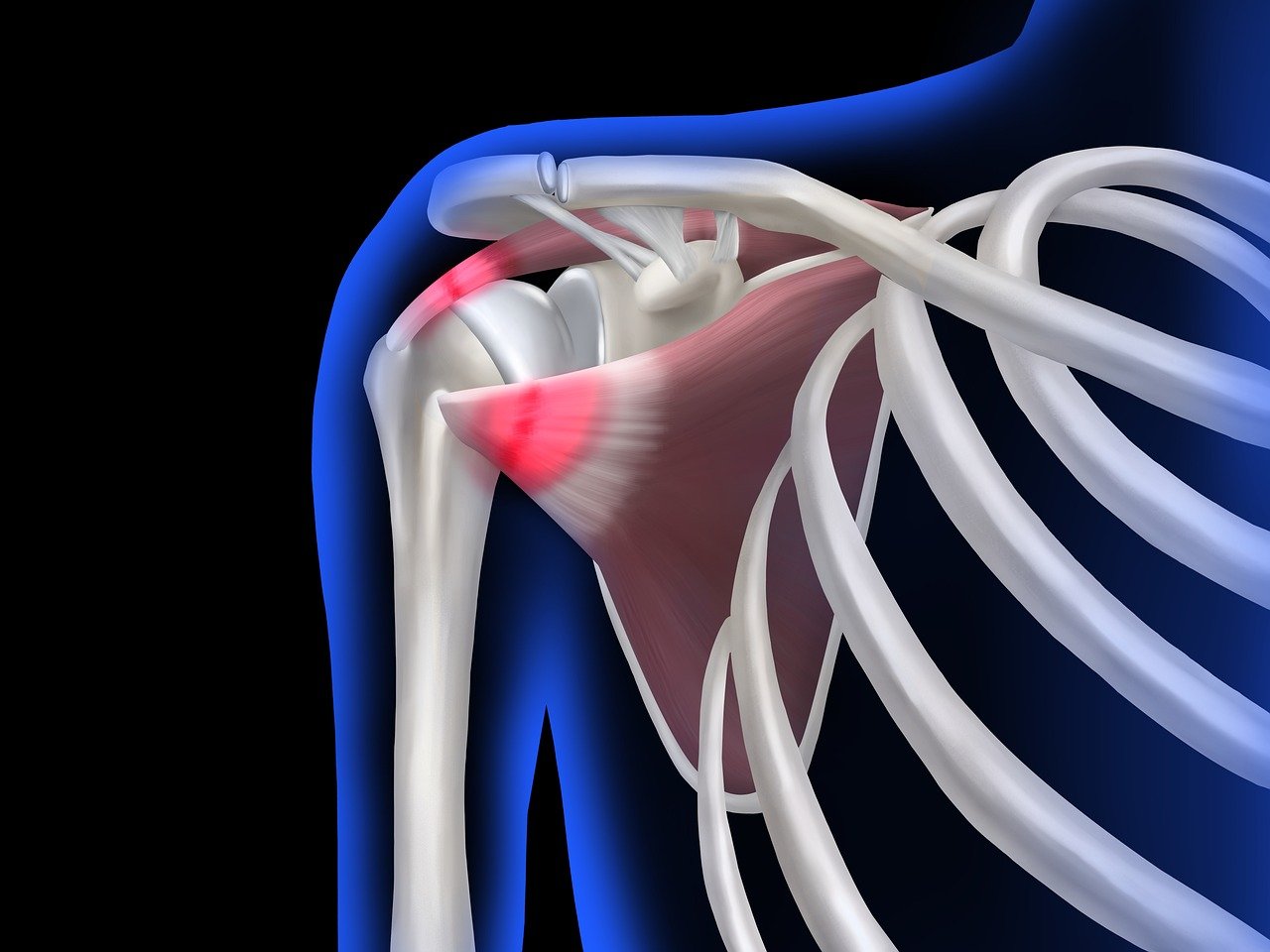
Calisthenics for rehabilitation focuses on utilizing bodyweight exercises to strengthen and stabilize injured areas, particularly the shoulders. Shoulder injuries often require a carefully structured approach to regain strength, mobility, and functionality. A gradual introduction of calisthenics can enhance overall shoulder health and recovery. By emphasizing controlled movements, calisthenics minimizes the risk of re-injury. Key exercises include wall push-ups and shoulder taps, which engage muscles without excessive strain on the joint. Implementing consistent routines will gradually build muscles surrounding the injured site, leading to enhanced support and stability. This recovery process incorporates various planes of movement, which can help restore full range of motion. A proper warm-up, including dynamic stretches, is essential before starting any exercise routine to prepare the body and prevent further injury. Be sure to listen to your body during these rehabilitative exercises. Strong communication with a healthcare professional ensures a tailored plan suitable to the individual’s specific needs and recovery stage. This holistic approach combines strength training, flexibility, and endurance to foster effective healing.
Key Calisthenics Techniques for Shoulder Rehabilitation
Effective calisthenics techniques can be instrumental during the rehabilitation process of shoulder injuries. One notable technique is the use of isometric exercises which enable individuals to engage shoulder muscles without requiring joint movement. Exercises like wall push-ups, where the body pushes against an immovable object, can effectively build strength. Incorporating band-assisted pull-aparts allows individuals to focus on their back muscles, providing stability to the shoulders. Additionally, the use of modified planks supports integration of core strength, essential for shoulder stability. Remember to maintain proper form throughout each exercise, focusing on smooth, controlled movements. Regularly assessing technique through video feedback can enhance performance and awareness. Pay attention to any discomfort during exercises and adapt accordingly to avoid exacerbating the injury. It is also crucial to vary routines to target different muscle groups, preventing overuse. Consistency with these techniques promotes long-term recovery, while patience is vital as healing takes time. Ultimately, a well-rounded calisthenics routine tailored for shoulder rehabilitation fosters safe recovery while contributing to overall physical fitness.
Incorporating flexibility training into calisthenics routines is essential for shoulder rehabilitation. Stretching exercises enhance range of motion and prevent stiffness, crucial for effective healing. Start with gentle movements such as shoulder circles and arm crossovers to gradually loosen the shoulder joints. Gradually introduce deeper stretches like doorway stretches, which target the chest and shoulder regions, relieving tension. Additionally, consider using yoga poses such as downward dog, which extends the shoulders while promoting stability through the arms and core. Maintaining an emphasis on breathing techniques during flexibility training is essential for relaxation and to maximize results. Incorporate targeted mobility drills that focus on shoulder rotation, maintaining joint fluidity. These dynamic movements not only improve flexibility but also enhance blood circulation, promoting recovery. Set clear performance goals for flexibility improvement, tracking progress diligently over time. Recall that flexibility training should complement your strength-building calisthenics approach, fostering a balanced regimen. Seeking guidance from a specialized physiotherapist can ensure exercises are appropriate and effective for individual rehabilitation stages. Tailoring routines to personal experience levels fosters confidence and adherence to the rehabilitation process.
Progress Tracking for Effective Rehabilitation
Tracking progress during shoulder rehabilitation is essential for both motivation and ensuring recovery remains on course. Create a journal or digital tracker to log daily exercises, including repetitions, sets, and any discomfort noted during routines. Visual tracking aids in identifying improvements in strength and flexibility, fostering a sense of accomplishment. Taking periodic assessments, such as evaluating shoulder range of motion with established benchmarks, highlights any progression or need for adjustment in routines. Incorporating photographs or video documentation of exercises can reveal form improvement over time. This feedback is invaluable for maintaining proper technique, ultimately reducing the risk of injury. Consult with healthcare professionals to establish milestones and ensure activities align with recovery goals. Adjust routines based on progress and professional advice, as rehabilitation is not a one-size-fits-all procedure. Encouraging a supportive environment, such as group classes for shoulder rehabilitation, assists in reducing any feelings of isolation during the journey. With dedication and patience, progress tracking can significantly enhance the experience and outcomes of calisthenics-focused shoulder rehabilitation.
Complementing calisthenics routines with nutrition significantly impacts shoulder rehabilitation outcomes. A balanced diet rich in proteins, omega-3 fatty acids, and vitamins is vital for tissue repair and muscle recovery. Specifically, proteins such as lean meats, legumes, and dairy support muscle synthesis, aiding strength building. Omega-3 fatty acids found in fish, nuts, and seeds can reduce inflammation, promoting healing. Integrating foods rich in vitamin C and zinc, such as fruits and leafy greens, yields powerful antioxidant benefits that assist in recovery. Staying well-hydrated enhances metabolic processes, crucial during rehabilitation. Emphasizing nutrient timing around workouts can further maximize recuperation, ensuring muscles receive immediate access to necessary nutrients post-exercise. Consider consulting with a nutritionist specializing in sports to devise a tailored meal plan that supports rehabilitation goals. Supplementation may also be beneficial, yet should be approached with caution and professional oversight. This comprehensive nutrition approach, paired with calisthenics, offers a synergistic impact on shoulder injury recovery, combining the benefits of physical activity and dietary improvements.
Psychological Aspects of Rehabilitation
The psychological components of rehabilitation are critical yet sometimes overlooked. Maintaining a positive mindset during recovery can significantly influence outcomes. Setting realistic goals and celebrating minor milestones fosters motivation. Engaging in supportive environments, such as group classes or discussions with fellow rehabilitators, enhances emotional support. Practicing mindfulness and visualization techniques also aids in maintaining focus and alleviating anxiety tied to recovery. Recognizing that setbacks may occur is crucial, and discussing these challenges with professionals can help. Incorporating enjoyable activities unrelated to rehabilitation alleviates monotony and encourages a healthy balance. Consider journaling thoughts and feelings related to recovery, serving as an emotional outlet and tracking progress. Building a supportive network, including friends and family, can further enhance psychological resilience. Engaging in positive self-talk fosters confidence, which can translate into physical performance during calisthenics. Finding ways to stay committed despite challenges helps strengthen mental fortitude essential for overcoming difficulties during recovery. In summary, a holistic approach addressing both physical and psychological aspects fosters an optimal recovery experience.
In conclusion, calisthenics represent a highly beneficial pathway for rehabilitating shoulder injuries through structured techniques, flexibility training, nutrition, and mental health support. By focusing on bodyweight exercises that gradually strengthen and stabilize injuries, individuals can effectively navigate the recovery process. Utilizing progress tracking tools enhances accountability and fosters the motivation necessary for success. Nutrition plays a pivotal role, ensuring the body receives essential nutrients for healing and overall health during rehabilitation. Similarly, addressing the psychological components of recovery creates an environment conducive to success. Practicing techniques such as mindfulness and accessing social support actively contributes to reinforcing resilience in the rehabilitation journey. Remember that rehabilitation is a personal process that requires dedication and patience. Each recovery journey is unique, and varying approaches can be tailored based on individual needs and specific injury circumstances. Seek professional guidance when necessary to create an effective and safe approach tailored to your recovery goals. Ultimately, incorporating calisthenics as part of a comprehensive rehabilitation strategy not only facilitates shoulder recovery but also fosters long-term fitness and wellbeing.
Believing in oneself and having an optimistic attitude is equally as crucial in the pursuit of healing. With perseverance and the right strategies, a successful rehabilitation via calisthenics is entirely possible. Maintaining a holistic approach ensures that individuals not only rebuild strength and flexibility but thrive in overall health.