
Strength Training Basics for Seniors: A Comprehensive Guide
Strength training is a key component of fitness for seniors. Incorporating it into daily routines can significantly enhance overall physical health. Engaging in strength training helps build muscle mass, improves balance, and can decrease the risk of fall-related injuries. It also boosts metabolism, which tends to slow down with age. Seniors should consider consulting a healthcare professional before starting a program. This ensures safety and appropriateness for their individual health status. Additionally, understanding the basics can help guide seniors in their fitness journey. Proper technique is crucial to avoid injuries and maximize effectiveness. A focus should be placed on exercises involving major muscle groups. This includes the legs, back, chest, and arms. Incorporating resistance bands, free weights, or bodyweight exercises may be suitable. It’s essential to start with lighter weights, allowing the body to adapt. As strength improves, seniors can gradually increase resistance. Listening to the body and maintaining a balanced routine can yield lasting benefits. Thus, a well-structured strength training program is not just beneficial but imperative for maintaining health and independence.
Adopting a well-planned routine is essential, and integrating strength training will result in profound benefits for seniors. It is a misconception that weight lifting is only for younger individuals. Older adults can engage in this useful activity safely. Strength training assists not only the physical aspects but also mental well-being. Improved confidence and self-esteem often accompany advancements in strength and mobility. Social interactions can also flourish through group exercise settings, such as community centers. Setting realistic fitness goals enhances motivation. However, these objectives should be specific, measurable, and attainable. A sensible approach may begin with two to three sessions weekly. Each session might involve 30 to 45 minutes of exercises followed by a cool-down and stretching period. Gradually, more intensity can be incorporated into workouts to keep pace with improving capabilities. Adhering to such a regimen can produce noticeable improvements in daily activities. This may include simple tasks like carrying groceries or climbing stairs. Recognizing achievements, no matter how small, plays an important role in sustaining long-term commitment. Positive reinforcement encourages seniors to continue their strength training journey.
Equipment and Exercises for Seniors
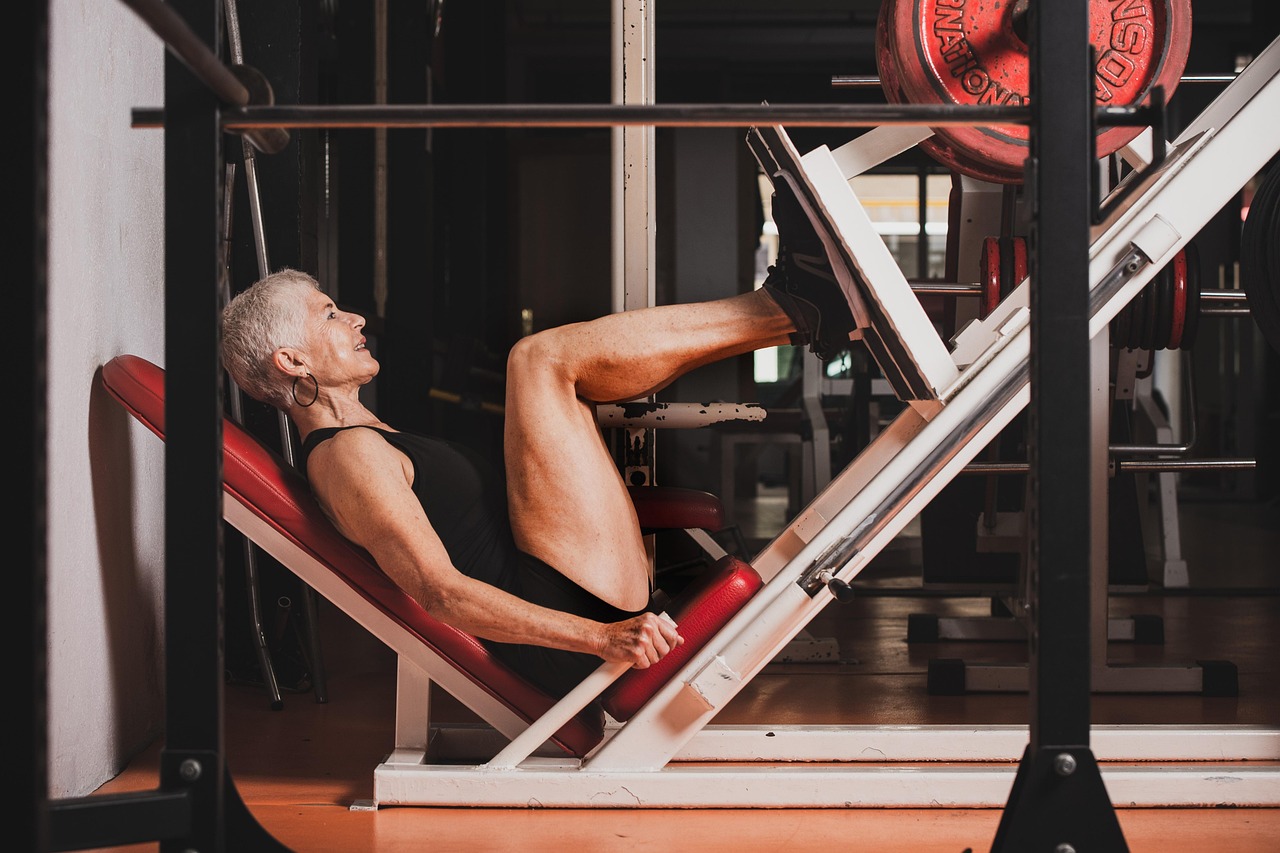
When it comes to strength training for seniors, select appropriate equipment is fundamental. Several options are available that can accommodate various skill levels and preferences. Resistance bands are excellent for beginners; they provide low-impact options for building strength. The elastic nature allows for easy adjustment of intensity during exercises. Free weights like dumbbells are effective as well. Seniors might begin with weights as light as one to three pounds. However, it is essential to focus on good form instead of lifting heavier weights. Bodyweight exercises, such as squats and push-ups, are also beneficial. They can be modified according to individual capabilities. Machines found at gyms can guide proper movement, making them a good option for beginners who require support. Seniors should prioritize exercises that engage multiple muscle groups. For instance, squats could involve the arms, legs, and core muscles simultaneously. Creating a balanced routine that focuses on both upper and lower body strength ensures comprehensive development. It is advisable to vary workouts weekly to challenge the body continually while avoiding plateaus.
Safety during strength training is non-negotiable. Seniors must be aware of their limitations and not push beyond their comfort level. It is essential to be mindful of pre-existing conditions. Those with arthritis, heart issues, or joint problems should take specific precautions. Warming up before workouts prepares the body for physical exertion. Dynamic stretches and light cardio exercises can increase heart rate and circulation, thereby reducing the risk of injury. Adaptations should be made based on any discomfort experienced during workouts, and if pain persists, it’s wise to consult a physician. Hydration levels should also be monitored to ensure optimum performance, especially during physical activity. Cooling down after workouts aids in recovery and reduces muscle soreness. Taking time to perform static stretches can enhance flexibility and prevent stiffness. Additionally, understanding how to use gym equipment properly avoids accidental injuries. Seeking guidance from fitness professionals can offer valuable insights and corrections to technique. Prioritizing safety remains at forefront of any strength training plan, allowing seniors to build strength without risking injury.
The Importance of Consistency
Consistency in strength training is vital for any fitness regimen, and this is especially true for seniors. Establishing a routine can create lasting habits that contribute to continued progress and longevity. Developing a schedule that fits into existing lifestyles encourages regular involvement. Whether exercising at home or attending a local gym, finding a suitable time is crucial. Seniors might benefit from involving family or friends in their workouts. Having a workout buddy can enhance motivation and accountability. Particularly as fitness levels improve, couples in a community group become support systems for one another. Engaging regularly in strength training has cumulative effects, making progress more significant over time. Understanding that improvement may be gradual enables seniors to stay patient with themselves. Progress tracking through journals can provide insights and reinforce the value of consistency. Simple markers, such as increasing weight or completing more repetitions, demonstrate commitment over time. Such achievements can be empowering for seniors, enhancing mental well-being alongside physical gains. Continuous reinforcement of fitness benefits ultimately contributes to improved quality of life and independence.
Beyond the apparent physical advantages, strength training also nurtures mental health. Numerous studies indicate that regular strength training reduces anxiety and depression symptoms. The release of endorphins during physical activity enhances mood and fosters a more positive outlook on life. As seniors progress in their strength training journey, they may notice improved cognitive function as well. Activities that increase heart rate stimulate blood flow and engage brain health. Moreover, engagement in this form of exercise combats feelings of isolation by encouraging social interaction. Participation in local classes not only provides exercise but can also foster friendships and support networks. This sense of community becomes beneficial, reinforcing a commitment to fitness. Seniors can empower one another by sharing their experiences and celebrating achievements together. Regular interactions also contribute to emotional resilience. Understanding and processing shared challenges can create deeper connections. Mentally strong individuals tend to manifest greater emotional stability. It showcases resilience against life’s challenges. By encouraging each other, seniors embark on an impressive journey of strength training that positively affects their overall well-being.
Conclusion
In conclusion, strength training serves as a cornerstone for maintaining health and well-being among seniors. Through understanding its principles and implementing safe practices, seniors can embark on this fruitful journey with confidence. The combination of physical empowerment enhances overall quality of life, aiding independence and day-to-day functionality. Senior strength training programs cultivate not only improved physical abilities but lasting relationships. Consistency and patience are key components in achieving potential benefits. Setting realistic goals and tracking progress can inspire greater achievements, providing satisfaction throughout the journey. Furthermore, the appreciation of mental well-being reinforces the significance of strength training activities. Whether through group sessions at community centers or individualized home workouts, the foundations set by this guide can support a healthier lifestyle for seniors. Knowledge about suitable exercises and equipment encourages confidence and commitment. Strength training isn’t merely about lifting weights—it embodies empowerment, social connection, and holistic wellness. As seniors embrace strength training, they nurture both their bodies and minds, proving age is just a number when it comes to achieving fitness.
Overall, this comprehensive guide will equip seniors with necessary knowledge to navigate strength training safely and effectively. Better health lies at everyone’s fingertips; all it requires is a willingness to begin and embrace change. With the right approach, seniors can redefine their limitations, extending opportunities for active living in every aspect of life.