
Understanding the Physical Demands of the Outside Hitter Position
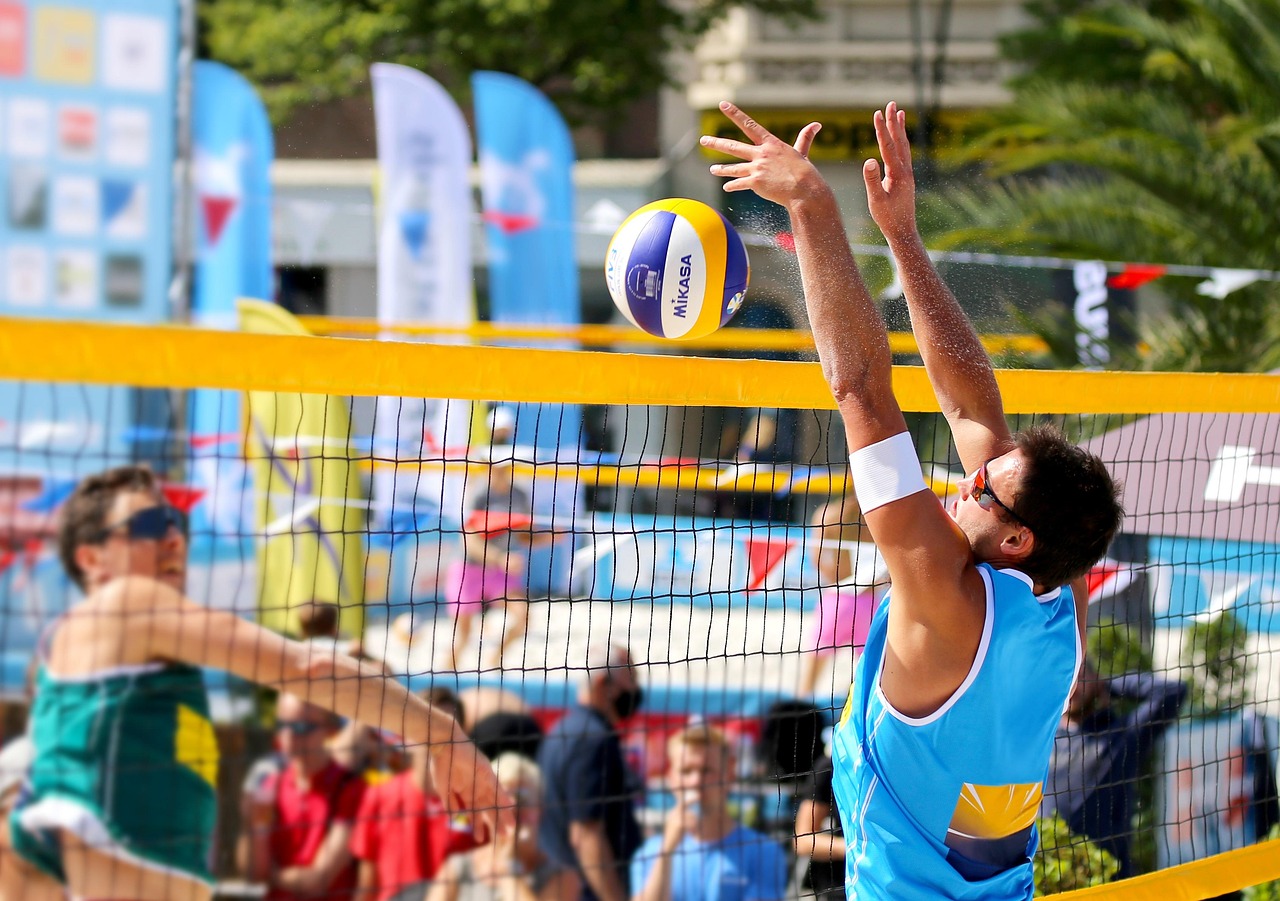
The outside hitter in volleyball plays a crucial role, contributing both offensively and defensively. To be effective, these athletes must possess a unique blend of physical attributes, technical skills, and mental fortitude. While there are numerous training programs available, understanding the specific demands of this position is essential for effectively targeting improvements. Training must include strength, agility, and speed, all coupled with exercises that improve vertical leap. Outside hitters often engage in pounding spikes that require explosive power to generate velocity. Additionally, they must be adept at reading the game to anticipate defensive formations and timing attacks accordingly. One vital aspect of their skill set includes the proficiency in serve-receive, ensuring they can create scoring opportunities. Consequently, outside hitters require agility to navigate the court efficiently, especially when transitioning between offense and defense. Injury prevention should also be a focus during training, allowing players to maintain optimal performance levels throughout the season. For any athlete aspiring to excel in this role, incorporating specific drills tailored to these aspects will maximize their efficacy on the court, thereby enhancing team performance and personal development.
Essentially, the physical conditioning of an outside hitter must account for several facets of athleticism, particularly upper body strength and leg power. Emphasizing resistance training can provide substantial enhancements, allowing hitters to execute powerful hits while also fortifying their shoulders and wrists against injury. Plyometric activities, such as box jumps and squat jumps, are crucial for developing explosive power. Furthermore, agility drills help improve footwork, enabling players to position themselves optimally during gameplay. Conditioning drills like sprints help to enhance cardiovascular fitness, essential for maintaining high energy levels throughout matches. Practicing specific hitting techniques will further contribute, as proper form is vital for minimizing the risk of injury and maximizing hitting efficiency. Strengthening the core is equally important, given its role in creating a stable base for all athletic movements. Athletes should integrate core-centric exercises like planks and medicine ball tosses for comprehensive training benefits. Nutrition, too, is fundamental, as a balanced diet will support energy output and recovery times. Hence, outside hitters must not only engage in specific training routines but also pay attention to slice, nutrition, and rest, which collectively influence performance on the court.
Key Skills for Outside Hitters
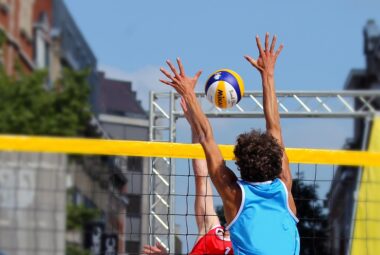
Aside from physical conditioning, outside hitters must actively develop a range of specific skills. The most essential skill is the ability to spike successfully, creating points through offensive plays. This involves not just physical power but also precise ball contact and timing. Practicing various hitting angles and approaches can enhance versatility on the court. Additionally, the reception of serves and free balls requires a keen eye and quick reflexes, creating opportunities for well-timed attacks. A reliable serve receive skill set helps to stabilize team performance and opens up offensive possibilities. Defensive skills hold equal weight; outside hitters must possess excellent digging and blocking capabilities. A great hitter combines robust offensive techniques with defensive prowess, making them invaluable during crucial game moments. Moreover, communication with teammates is key for success, ensuring that everyone is aware of their roles and responsibilities during plays. Practicing relay drills helps to foster this team synergy. A fully-rounded player needs to be versatile and agile, adapting to various game scenarios while maintaining focus on improving individual skills consistently for long-term growth and success.
Technique refinement is equally important as it prevents injuries and enhances effectiveness on the court. Continuous assessment of hitting techniques allows players to make necessary adjustments to improve accuracy and power. Having a coach or experienced teammates provide feedback can aid in identifying weaknesses, allowing targeted training to correct any form issues. Observation and analysis of professional players’ techniques can also inspire personal improvements. Players can benefit by studying footage, breaking down successful patterns, and then applying similar principles in practice. Furthermore, mastering the footwork fundamentals critical for a successful attack promotes better positioning and timing in all scenarios. Transition drills can help players master the necessary agility to move quickly between roles, ensuring they adapt effectively to fluid game scenarios. As a result, the right training protocol, paired with a focus on technique, can dramatically elevate an outside hitter’s performance level. This comprehensive approach ensures that these athletes remain competitive and contribute significantly to their team’s success, both in practice and during matches.
Strategies for Injury Prevention
To excel as an outside hitter, injury prevention must be prioritized, as the demands of this position carry risks. Implementing warm-ups and cool-downs as standard practice is essential. Dynamic stretching during warm-ups enhances blood flow to muscles and prepares the body for explosive movements, while cool-down stretches improve flexibility and aid recovery. Additionally, engaging in regular strength training fosters resilience against common injuries. Players should pay particular attention to the shoulders and knees, as these joints experience considerable stress during play. Incorporating balance training aids overall stability, preventing falls and other issues, especially when executing quick lateral movements. Additionally, practicing proper body mechanics when hitting or blocking is crucial for injury prevention. Utilizing drills that mimic match scenarios assists players in adapting their approaches to minimize risks when under pressure. Individualized training programs can address specific weaknesses, thus empowering players to manage potential issues effectively. Commitment to overall wellness, which includes a proper diet and sufficient rest, enables athletes to recover faster and maintain peak performance. Therefore, a comprehensive injury prevention approach will ensure outside hitters remain active and effective throughout the competitive season.
Additionally, considering psychological factors can enhance performance for outside hitters as well. Mental conditioning shapes how players perceive challenges and can significantly influence their gameplay. Athletes should engage in mindfulness practices that promote focus and mental clarity during high-pressure situations. Visualization techniques can further help players prepare mentally for matches by imagining successful serves, spikes, and transitions throughout their play. This mental rehearsal reinforces confidence and can serve as a motivational tool. Players must also work towards developing mental resilience, as setbacks include errors and failed plays during matches. Cultivating an optimistic mindset allows for better recovery from mistakes, enabling players to maintain performance consistency. Setting personal goals throughout the season enhances motivation levels while continuously pushing the boundaries of one’s skills. Moreover, fostering camaraderie among teammates can create a supportive environment that encourages communication and shared strategies. Participating in group discussions evaluating matches enables everyone to learn together. The combination of strong mental skills alongside physical prowess is essential for thriving in the highly-demanding role of an outside hitter. Therefore, comprehensive training should include both physical conditioning and mental strategy sessions for optimal player development.
Long-Term Development for Outside Hitters
Long-term development should be a primary consideration for aspiring outside hitters. Players should establish consistent training regimens that incorporate variations to prevent monotony while promoting adaptation. Committing to continuous learning and improvement ensures sustained growth. Incorporating periodic assessments of both technique and physical capabilities guarantees a clear understanding of progress over time. This can be in the form of video analysis or performance metrics tracking improvements in agility, jumping ability, and strength. Regularly working on specific weaknesses revealed through self-analysis ensures players remain well-rounded and robust. Moreover, cultivating a growth mindset encourages accepting feedback and adjusting training purposefully. Players might consider engaging in specialized training camps or clinics focused on skill enhancement to access further coaching and diverse training techniques. Cross-training in other sports can also provide benefits in terms of agility and strength development, thus improving overall athleticism. Players should foster a supportive network consisting of teammates, coaches, and mentors to ensure accountability and motivation. Thus, the combination of structured training and support will yield successful outcomes for outside hitters, contributing to their effectiveness, enjoyment of the sport, and prolonged athletic careers.