
Tech Tools to Motivate Seniors With Cognitive Impairments to Exercise
Engaging seniors with cognitive impairments in regular exercise can be a challenging task. However, integrating technology into fitness routines can provide powerful solutions. Utilizing simple and user-friendly devices can enhance motivation and make exercising more enjoyable for seniors. Digital platforms cater to this demographic with tailored programs that cater to their unique needs. Wearable technology, including fitness trackers, can monitor activity levels and provide valuable feedback. This encourages seniors to stay active while remaining aware of their progress. Moreover, apps designed for exercise can feature instructional videos and guided routines specifically for seniors. Personalized recommendations based on interest levels and fitness abilities can help ensure a higher adherence to exercise regimes. Additionally, engaging social components of technology, such as virtual exercise classes, can create community and accountability. Implementing friendly competitions among peers can also stimulate engagement. By fostering a joyful and stimulating environment, seniors can enjoy their workouts more. Overall, the combination of technology with fitness represents an exciting approach to keeping seniors active while improving their cognitive functioning and overall health.
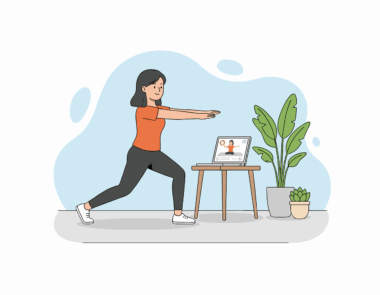
Fitness apps represent a unique bridge between seniors and technology. Various apps are tailored to accommodate physical limitations while providing stimulating routines. Loading these apps onto personal tablets or smartphones enables seniors to access guided workouts from the comfort of home. Some apps offer features such as daily reminders, ensuring that seniors remain engaged with their fitness journeys. Customizable schedules can alert seniors for their daily exercise routines, making fitness become a part of their everyday life. Additionally, feedback mechanisms allow seniors to recognize their progress over time. Exercise tracking enables seniors to visualize their achievements, which can serve to inspire them further. The presence of engaging graphics and user-friendly interfaces within these apps makes them appealing and accessible. Many applications provide video demonstrations performed by instructors familiar with seniors’ fitness needs, which can make exercises more relatable. Importantly, the role of caregivers and family members in promoting the use of these apps cannot be understated. Encouragement from loved ones can push seniors to embrace these technologies that enhance their quality of life and motivate them to exercise consistently.
Virtual Reality and Gaming
Innovative technologies such as virtual reality (VR) can provide seniors with unique opportunities to engage in physical activities while addressing cognitive impairments. VR programs designed specifically for seniors can immerse users in enjoyable, interactive environments that promote movement and exercise. These programs often include fun activities like dancing, gardening, or simple sports that naturally encourage physical interactions. Gaming also becomes a valuable tool in retaining mental engagement. Many seniors may find traditional exercise routines unappealing, but incorporating gaming elements can change perceptions. Exergames combine physical activity with gaming mechanics, motivating seniors to stay active unexpectedly. By manipulating avatars or characters in game-like settings, seniors can exercise without recognizing it as work. Additionally, VR environments are customizable and can simulate various scenarios, increasing levels of cognitive challenges. Exercises can progress in difficulty, keeping seniors mentally stimulated while they improve their physical abilities. Caregivers or facility staff can assist in setting up sessions, ensuring seniors are comfortable and secure. Virtual reality experiences are an exciting option for enhancing fitness among seniors, promoting both mental and physical health through engaging activities.
Interactive health platforms can also foster reduced isolation among seniors with cognitive impairments, encouraging social fitness activities. Online platforms can connect seniors to different workout groups, creating the sense of belonging to an active community. Participants can join live video classes or pre-recorded sessions tailored to their fitness levels. These platforms often include options to chat with or encourage one another, cultivating motivation through interactions. Many seniors may feel isolated due to mobility issues, but virtual engagement provides ample opportunities for connection. Keeping fit as a community can significantly enhance the enjoyment of exercising. When technology brings individuals together, it encourages a shared responsibility for personal health. Furthermore, creating friendly competition through leaderboards can motivate seniors to stay consistent with their fitness journeys. Caregivers can help facilitate discussions about workouts, ensuring that seniors engage with their peers actively. A supportive online atmosphere exists where seniors can celebrate achievements, share experiences, and engage in discussions related to fitness. This interaction can renew a sense of purpose and dedication among seniors while improving overall physical activity levels in manageable and enjoyable ways.
Wearable Technology Benefits
Wearable technology is revolutionizing how seniors manage their fitness routines. Devices like smartwatches and fitness trackers provide real-time insights into physical activities, heart rates, and sleep patterns. Seniors may find these continuous measurements motivating; users receive alerts to stay active or reminders to get up and move after prolonged sitting. Such technology can instill a sense of accountability, encouraging seniors to monitor their statistics regularly. Tracking their progress through these devices can be beneficial not only physically but emotionally as well. The simple act of viewing achievements allows seniors to witness improvements over time, providing confidence and determination. Some trackers come with built-in fitness coaching capabilities that help seniors execute exercises safely. Caregivers may use the data generated by these devices to better understand their loved one’s activity patterns, helping to adjust routines accordingly. The overall convenience of wearing these devices lends itself well to engaging seniors in physical activity without introducing overwhelming complexity. Thus, wearable technology maximizes the potential for seniors to lead healthier and more active lives, encouraging long-term fitness habits through seamless integration into their daily routines.
Incorporating technology into fitness programs for seniors also requires addressing privacy and user experience. Designing apps specifically for seniors entails focusing on user-friendly interfaces that are easily navigable. Clear instructions, large buttons, and an intuitive layout can significantly lower barriers for seniors engaging with technology. Alongside this focus, privacy concerns must be prioritized, especially regarding data collection on health metrics. Users should feel confident that personal information is secure while using any fitness tracking device or app. Furthermore, teaching seniors about privacy settings can also empower them to take control of their data actively. Regular training workshops aimed at seniors can help familiarize them with digital tools. These workshops can also serve as a platform for seniors to voice any concerns or suggestions related to technology use. By enhancing user experience and addressing privacy, we can create an atmosphere where seniors feel comfortable and motivated to utilize technology. Consequently, technology can effectively serve as a powerful ally in promoting better physical health and combating the challenges associated with cognitive impairments.
In Summary
Ultimately, technology has become an indispensable ally in enhancing fitness experiences for seniors with cognitive impairments. The array of tech tools such as fitness apps and interactive platforms open up worlds of opportunity for maintaining physical activity. Platforms encouraging social interaction can provide motivation and reduce feelings of isolation among seniors. Furthermore, virtual reality and gaming introduce fun and engaging ways to keep seniors moving while addressing their cognitive needs. Wearable devices help maintain an awareness of fitness routines, promoting goal-setting and accountability. Usability and privacy are paramount in ensuring that seniors are comfortable operating these technologies. Addressing these issues allows for a smoother integration of tech tools into their daily lives. Tailored instruction and care from supportive individuals can enhance the experience, allowing seniors to embrace these innovations. By focusing on technology’s strengths, we open new avenues for promoting healthy lifestyles among seniors. Embracing these strategies can significantly improve their well-being, making exercise enjoyable while enhancing cognitive function. Through diligent application of technology, motivation, empowerment, and social connection can flourish among seniors seeking fitness in their lives.
In conclusion, incorporating technology in fitness routines represents positive evolution. Tech tools offer various ways to address mobility issues, cognitive impairments, and isolation faced by many seniors. These solutions positively impact both mental and physical health. Progress in technology aims to create new pathways to explore fitness. Video apps, VR experiences, and wearables improve engagement while keeping seniors on track. The supportive online community fosters motivation and connections essential for enhancing exercise routines. Friendships formed in classes provide camaraderie, leading to exciting and sustained fitness journeys. Caregivers play a pivotal role too; providing support for seniors as they embrace these technologies is critical in achieving success. The road ahead promises innovations that continue supporting diverse needs of this demographic. As we move into a future dominated by technology, harnessing its benefits will create a foundation for healthier and happier lives for seniors. The systemic integration of technology into fitness presents a major opportunity for advancement in senior health management. Emphasizing technology’s significance in fitness can lead to transformative outcomes promoting longevity, well-being, and joy through sustainable physical activities.