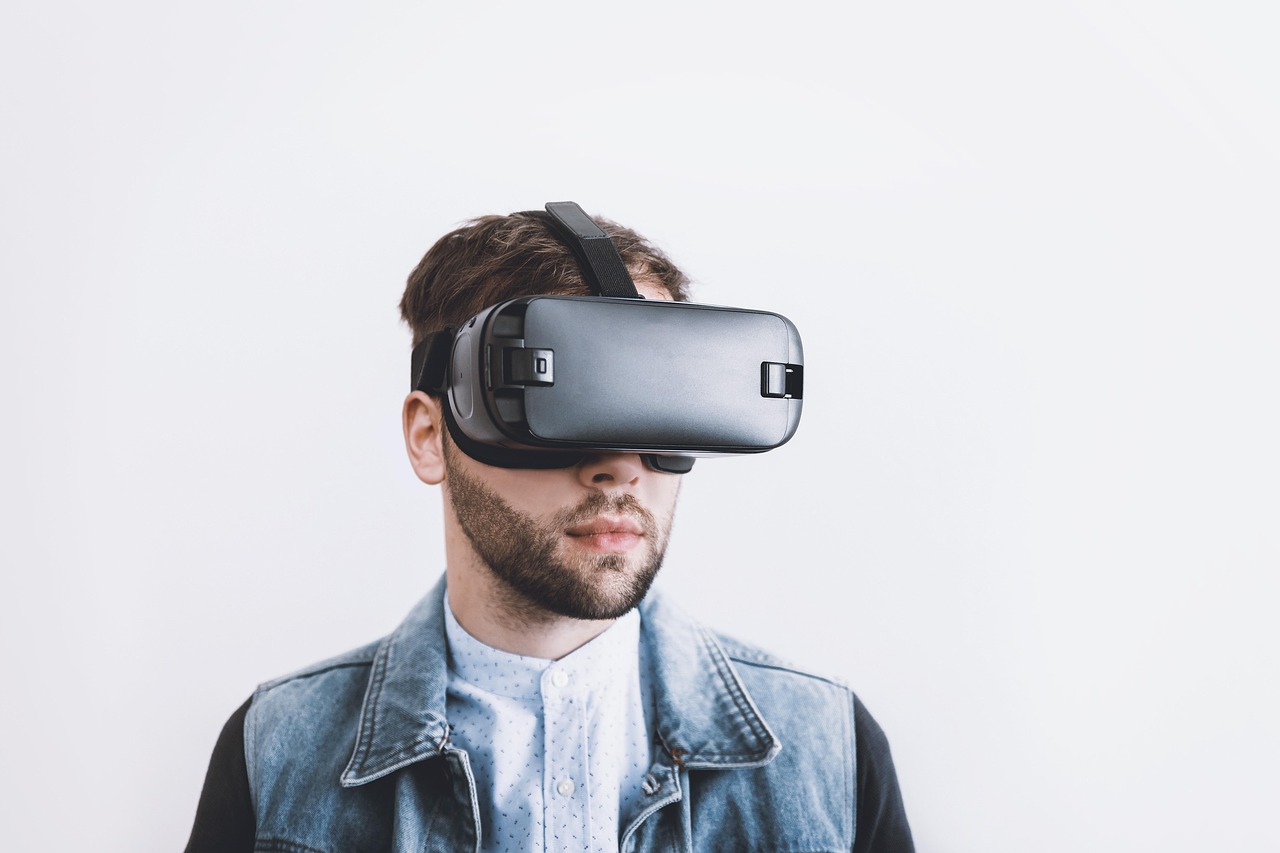

Exploring the Use of Virtual Reality in Tennis Analytics
The integration of Virtual Reality (VR) in sports analytics, especially tennis, has revolutionized how athletes train, prepare, and compete. With VR technology, players can replicate various conditions they might encounter during real matches, making training more effective. The simulation allows athletes to face imagined opponents, responding to diverse shot types and playing styles while analyzing their movements and strategies. This immersive experience aids in improving reaction times, decision-making skills, and overall performance. Furthermore, coaching staff can observe players in VR environments to identify weaknesses and tailor their training regimens accordingly. By utilizing the analytical data from VR sessions, they can refine their game plans through detailed insights. As tennis continues to evolve, incorporating VR demonstrates a significant step towards optimizing player performance and enhancing viewer engagement. Coaches can now replicate match scenarios for their players, enabling them to practice crucial skills without physical strain. This technological advancement not only improves individual performance but also enhances team strategies, fulfilling a dual purpose in athlete development. With ongoing research and development in this dynamic field, the future of tennis analytics looks promising.
Benefits of Virtual Reality in Training
Virtual Reality offers numerous benefits to athletes, particularly in tennis. One key advantage is the ability to experience high-pressure game situations without the corresponding physical demands. By using VR headsets, players can step into challenging match conditions, allowing them to develop mental resilience. Enhanced focus and attention to detail become vital skills when immersed in VR simulations, where decision-making processes are put to the test. Additionally, it provides an opportunity for players to visualize their techniques and movements, offering insights into potential areas of improvement. Coaches can analyze these virtual training sessions, providing players with feedback that can be used to refine technical aspects of their game. Moreover, VR training can reduce injury risk for players as they can practice specific movements and scenarios without having to engage in high-intensity physical activities. Another significant benefit lies within the data collection capabilities of VR systems, where every session can be analyzed to gain essential performance metrics. Player progress can be tracked effectively through thoughtful analysis, making training more targeted and productive. This technology enables athletes to enhance their skills while keeping injury risks at bay, promoting longevity in their careers.
In addition to regular training, VR plays a crucial role in mental preparation for tennis tournaments. The psychological aspects of competing in high-stakes matches cannot be overlooked; hence, players can rehearse their mental strategies through VR. By visualizing their opponents and anticipating various scenarios, athletes feel less anxious when stepping onto the court for live competitions. The immersive nature of virtual reality creates a safe environment in which players can practice calming techniques and focus exercises, preparing them to manage stress during important matches. Studies suggest that athletes who visualize their performance report improved confidence, which translates to enhanced on-court performance. Combining the mental benefits of visualization with physical preparation significantly increases a player’s chances of success in competitive situations. Furthermore, mental rehearsal allows players to solidify their game plans, crafting responses to unexpected situations that may arise during matches. As competitive tennis evolves, realizing the importance of mental fortitude becomes evident. By integrating VR into mental training, athletes are better equipped to face the psychological challenges that come with professional tennis, ultimately enabling them to perform at their peak.
Player development is yet another area that benefits from virtual reality analytics. With the ability to simulate real match scenarios, coaches can effectively identify a player’s technical and tactical strengths and weaknesses. Data analytics, when paired with VR training, allows personalization of coaching strategies to fit an individual player’s needs. This custom approach ensures that training is relevant, focusing on aspects most significant to improvement. Additionally, VR data can track player engagements during specific simulations, revealing patterns and trends that can inform coaching tactics. For instance, if a player struggles against top spin shots, tailored drills can be integrated into their VR training sessions, helping them to develop the necessary countermeasures. These insights help create individualized training regimens that support players’ development over time. Coaches may utilize analytics to monitor progress and adjust strategies to maximize outcomes. Moreover, with ongoing assessments through VR exercises, players can witness their evolution and adapt to new challenges as they arise. Player development thus becomes a dynamic, evolving process, leveraging cutting-edge technology while allowing for continuous improvement.
Enhancing Game Strategy and Tactics
The strategic implications of utilizing virtual reality in tennis analytics are profound. By analyzing common plays and scenarios throughout recorded matches, players can adapt their game strategies effectively. Coaches can implement VR simulations based on opponents’ historical play styles, providing players with critical insights into anticipating their rivals’ strategies. This preemptive approach equips athletes with advanced tactics, enhancing their performance in matches. Additionally, VR assists in the analysis of a player’s past games, identifying patterns that can be leveraged for future competitions. Developing strategies based on comprehensive match footage helps in refining individual techniques and executing successful plays. Furthermore, comparing player performance analytics in VR against various conditions leads to more informed game tactics. Coaches can visualize ideal plays, enabling athletes to rehearse them effectively, ensuring they’re practiced and effective during actual matches. Implementing tactical lessons learned from VR analytics provides a strategic advantage over competitors who may not utilize such technology. The essence of competitive tennis extends beyond pure skill, and crafting an in-depth understanding of opponents is necessary. VR serves as an invaluable tool in fostering not only improved skills, but also successful match strategies.
Moreover, the collaboration between players and technology fosters a deeper understanding of tennis analytics. By connecting performance data seamlessly with VR training, players gain insights that drive motivation and commitment to hard work. Educating athletes about using these tools enhances performance while instilling confidence. Using VR analytics encourages players to take ownership of their training, fostering autonomy in daily practice. The involvement of technology in training nurtures a culture of continuous improvement and self-awareness, pushing players to achieve excellence. Coaches and players can establish transparency in performance evaluations utilizing VR data, enabling targeted skill development in a constructive manner. Furthermore, technology can bridge gaps in communication between coaches and players. When individuals understand the rationale behind specific drills tailored to their analytics, they feel more engaged and motivated. Players can be provided with tangible data that demonstrates their progress over time, showcasing tangible results. By harmonizing the coach-player dynamic through this innovative technology, training sessions can be more impactful, forging stronger relationships between athletes and coaching staffs.
The Future of Tennis Analytics
As technology continues to advance, the integration of Virtual Reality in tennis analytics is set to grow even further. The possibilities of refining training methodologies and competitive strategies are practically limitless. Future developments may encompass enhancements in realism within VR training environments, making it nearly indistinguishable from physical matches. Such advancements can result in greater immersion and athlete engagement, further bridging the gap between virtual practices and actual competition. Researchers are also exploring more robust data analytics capabilities to provide deeper insights into player performance and training outcomes. As the sports analytics community embraces these innovative technologies, partnerships between tech companies and sports organizations may increase, leading to more comprehensive training solutions. Additionally, VR could play a role in fan engagement, offering interactive experiences that allow spectators to experience tennis like never before. Consumer-grade VR equipment and applications will likely become more accessible, promoting wider participation among players of all levels. Ultimately, the future of tennis analytics is bright, with Virtual Reality serving as a powerful catalyst for change, ensuring that athletes achieve optimized performance in their careers.