
Fitness Training to Enhance Your Powder Skiing Performance
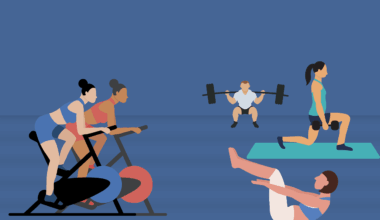
To enjoy powder skiing fully, adequate physical fitness is crucial. Focusing on exercises that enhance strength, endurance, and flexibility will significantly improve your skiing experience. For instance, low-impact activities like swimming or cycling can enhance your cardiovascular endurance, while resistance training can build the essential muscle groups used during skiing. Activities such as squats, deadlifts, and lunges will specifically strengthen your legs and core, which helps stabilize your body on uneven snow surfaces. Core exercises like planks and Russian twists are also vital for maintaining balance and proper posture while skiing downhill. Incorporating plyometrics, such as jump squats and box jumps, can greatly improve your explosive power. These help with quick turns and sudden movements often required during powder skiing. Additionally, flexibility exercises, including yoga or stretching routines, can aid in preventing injuries by increasing your range of motion. Always remember to listen to your body and avoid overtraining, allowing your muscles to recover properly. Lastly, staying hydrated and maintaining a balanced diet can bolster your overall energy levels, ensuring you have the stamina to enjoy those long days out on the slopes, maximizing your enjoyment.
Your fitness regimen should include specific conditioning for the skills required in powder skiing. One effective method is incorporating balance training into your routine. Tools like balance boards or stability balls can dramatically enhance your core stability and prepare you for the dynamic movements required in powder skiing. These exercises simulate the instability you encounter while skiing through varied terrains. Moreover, agility drills, such as shuttle runs or side shuffles, help boost leg speed and coordination, essential for making sharp, quick turns that the terrain demands. Additionally, practicing skiing drills off the slopes, like side-to-side hops or lateral lunges, can mimic the movements you make while skiing in powder. Keep in mind that endurance is equally critical; prolonged skiing days require stamina. Therefore, set aside time each week to increase your aerobic capacity through running or interval training. Consider using cross-training activities to diversify your training. Engaging in different sports can target various muscle groups, ensuring a well-rounded fitness approach. Lastly, consider working with a fitness coach experienced in winter sports to help tailor a program suitable for your skill level and needs, enhancing both enjoyment and performance.
The Importance of Leg Strength
Leg strength is particularly important for all skiing enthusiasts. In powder skiing, the muscles in your thighs, hamstrings, and glutes must work hard to maintain the optimal skiing posture and control. To target these specific muscles effectively, it’s essential to incorporate strength training exercises such as squats and lunges into your fitness routine. These exercises not only build strength but also improve your muscle endurance, which is vital for long days on the slopes. Moreover, plyometric exercises like jump squats can help enhance explosive power, allowing you to pop out of deep snow with more agility. Considering that skiing requires both endurance and explosive power, having a strong lower body will enable you to tackle the challenging conditions often met in powder snow. Additionally, building leg strength helps reduce fatigue, allowing you to ski longer while feeling more energized. Don’t overlook the importance of proper form; it’s beneficial to work with trainers or coaches who can ensure you are performing these exercises correctly. Lastly, as you progress, gradually increasing weights or resistance will continue to challenge your muscles and improve overall leg strength vital for skiing.
Building core strength is equally critical for any successful powder skier. The core includes not just the abdominal muscles but also the obliques and lower back muscles. Your core stabilizes your body through all the bumps and turns faced while skiing, especially in deep powder. Incorporating exercises such as planks, bicycle crunches, or hanging leg raises can be particularly effective at developing core strength. Balance exercises, like standing on one foot or using a Bosu ball, further promote core stability, an essential component for skiing. A strong core not only helps with balance; it also assists in maintaining the correct posture. Proper posture minimizes the risk of injury and improves performance by allowing your body to react better to unexpected movements. Include a mix of isometric exercises, which help build endurance, enabling you to handle prolonged skiing sessions without fatigue. Functional movements, focusing on mimicking skiing motions, are also beneficial. Remember to vary your workouts to keep them engaging and stimulating. Building core strength takes time, so consistently incorporating these exercises into your regimen will lead to noticeable improvements in your skiing performance.
Flexibility and Mobility Training
Flexibility plays an undeniable role in skiing performance, particularly when maneuvering through powder. Tight muscles can restrict your movement, making it challenging to adapt to various skiing conditions. Thus, implementing a flexible training program is essential to your fitness regimen. Stretching before and after workouts is crucial and should involve dynamic stretches for warm-up and static stretches for cooldown. Engage in yoga practices aimed at enhancing flexibility as well as promoting relaxation. Postures targeting your hips, quadriceps, and hamstrings can significantly help with your skiing performance. Moreover, incorporating foam rolling into your routine can aid muscle recovery and promote better elasticity. Consistency is key; aim for daily stretching to see significant improvements in flexibility over time. Additionally, focus on mobility exercises that involve joint movement through their full range. This type of training ensures that you can transition smoothly between different skiing techniques and stances on uneven powder surfaces. Pairing flexibility with strength and balance will yield the best results, maximizing your ability to navigate powder effectively. Ultimately, a well-rounded fitness program that emphasizes flexibility prepares your body for the demands of skiing.
A healthy diet complements fitness training by providing the essential nutrients required for stamina and performance on the slopes. It is crucial to maintain a balanced diet rich in carbohydrates, proteins, and healthy fats to fuel your body properly for skiing. Carbohydrates provide the energy needed during long skiing sessions, while proteins aid in muscle recovery after intense workouts. Healthy fats also play a role by sustaining energy levels for prolonged endurance activities. Hydration is equally essential; staying hydrated keeps your energy up and helps prevent fatigue. Include electrolyte-rich fluids to replace minerals lost through sweating. Consider meal prepping before skiing trips to ensure you have nutritious meals readily available. Foods such as whole grains, fruits, vegetables, lean proteins, and nuts can make up a balanced meal plan. Experiment with energy bars or trail mix for on-the-go sustenance during skiing sessions. Additionally, monitoring portion sizes can help maintain optimal body weight, critical for ski performance. Lastly, be mindful of nutrition during recovery days; fueling your body correctly aids in repairing muscles, ensuring you are ready for the next session of powder skiing bliss.
Conclusion and Staying Motivated
Maintaining motivation for your fitness routine is integral for enhancing your powder skiing performance. Setting clear goals, such as mastering a specific skiing skill or completing a certain workout regimen, can provide direction. Keep these goals realistic and measurable to track progress effectively. Another essential aspect is finding joy in your training; incorporating activities you love will make exercising more enjoyable. Factor in variety within your fitness routine; this prevents burnout and keeps things exciting. Engaging with friends or joining classes can foster camaraderie and accountability, turning your training into a social event. Keep a journal to log your workouts and progress, witnessing your improvements can create a rewarding experience. Lastly, remember to reward yourself after achieving milestones, whether through gear upgrades or skiing trips, enhancing your motivation to continue pushing yourself. Personal development within your fitness journey has a direct impact on your skiing experience. As you build strength, endurance, and flexibility, you’ll find that your skiing performance improves and your enjoyment deepens as you navigate through the beautiful powder. Embrace this journey and get ready for a ski season filled with thrilling adventures.