
The Connection Between Gut Health and Energy Levels
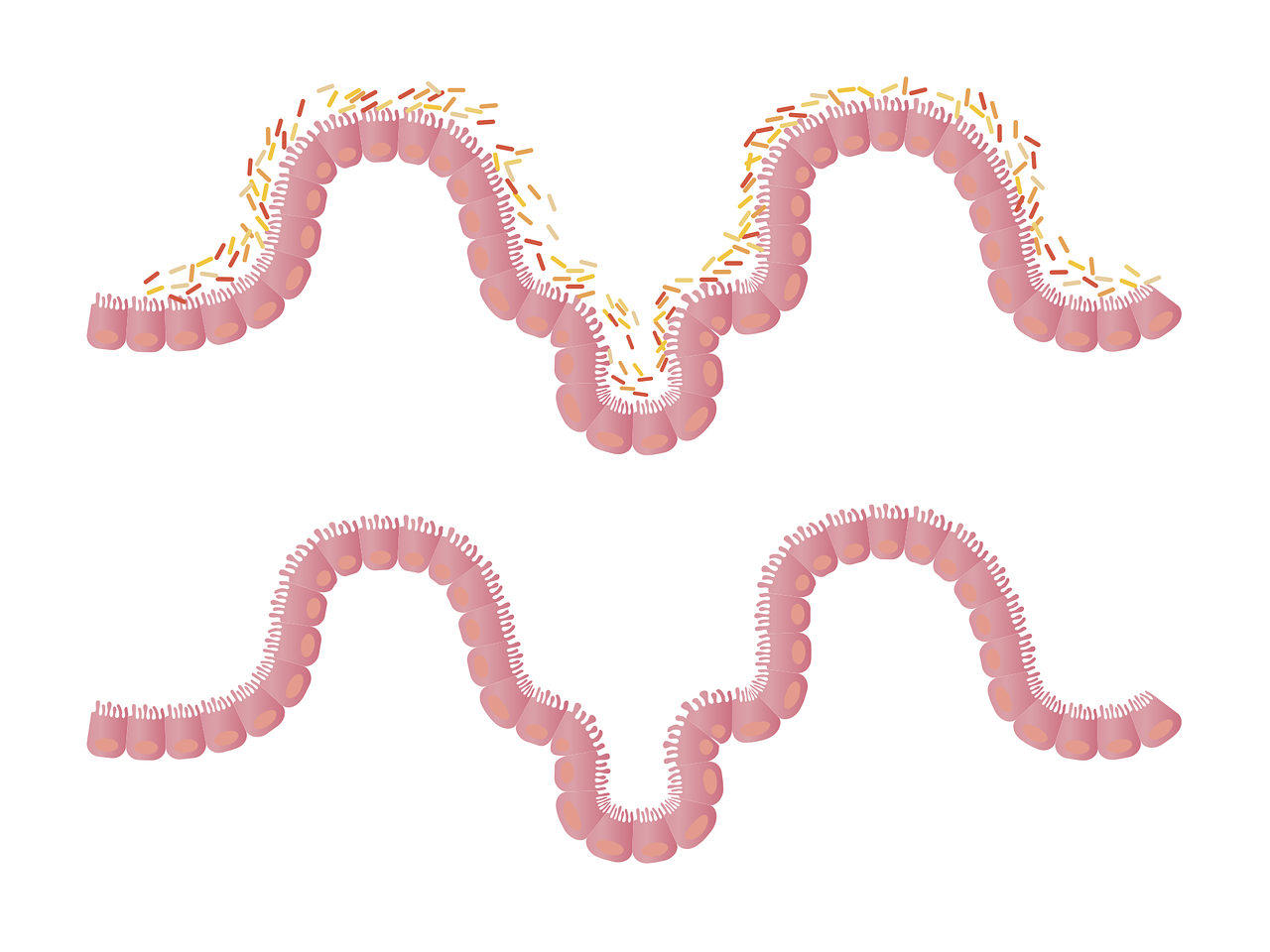
Understanding the connection between gut health and energy levels is essential for anyone seeking to improve their overall well-being. The gut, often referred to as the second brain, plays a significant role in our physical and mental health. A healthy gut microbiome aids in nutrient absorption, digestion, and immune function, all of which can have a direct impact on our energy levels. When the gut is out of balance, it can lead to various health issues, including fatigue, malaise, and poor cognitive function. Eating a diet rich in fiber, fermented foods, and probiotics can promote a healthier gut microbiome. Foods such as yogurt, kimchi, and sauerkraut can help foster beneficial bacteria. Furthermore, staying hydrated and minimizing processed foods can also support gut health. It’s essential to recognize that the microbiome responds positively to changes in diet and lifestyle. After all, a well-functioning gut can lead to increased energy, improved mood, and better overall health. Prioritize your gut health, and you just might notice a significant uptick in your energy and vitality.
How Gut Health Influences Energy Production
The energy production process in our bodies is closely linked to gut health. The gastrointestinal tract is responsible for breaking down food and extracting necessary nutrients, which are crucial energy sources. A balanced microbiome aids in efficiently processing these nutrients. If your gut is unhealthy, nutrient absorption declines, leading to fatigue and low energy levels. Furthermore, an imbalanced gut microbiome may produce harmful substances that can cause inflammation in the body, further exhausting the energy reserves. The gut bacteria produce short-chain fatty acids (SCFAs) like butyrate, which provide energy to our cells and have anti-inflammatory properties. Incorporating prebiotic foods such as bananas, onions, and garlic can greatly support SCFA production. Maintaining a balance of good bacteria can prevent energy depletion as well. Regularly adding probiotics into your diet can help enhance gut flora. Consequently, a healthier gut often correlates with higher energy levels, refined focus, and improved physical performance. It’s crucial to take deliberate steps to nurture and maintain gut health for better energy generation.
Moreover, stress and anxiety can significantly impact gut health and subsequent energy levels. The gut-brain axis is a complex communication system between the gut and the brain, and disturbances in this axis can lead to gastrointestinal problems. Conditions like irritable bowel syndrome (IBS) are often exacerbated by stress, further affecting energy levels. Practicing mindfulness, meditation, or yoga can improve both gut health and energy levels by reducing stress responses. A balanced diet and regular exercise can also enhance your physical and mental resilience against stress. By managing stress effectively, you’re not only protecting your gut health but also ensuring sustained energy levels throughout the day. Incorporating relaxation techniques into your daily routine can go a long way in promoting digestive health. Remember that your emotional state can influence your digestive tract, just as your digestive tract can influence mental well-being. Thus, addressing both physical and emotional health is crucial for maintaining high energy levels. Pay attention to your body’s signals, and if you notice a dip in energy, consider evaluating your gut health.
Foods That Support Gut Health
Incorporating specific foods into your diet can dramatically support gut health, ultimately influencing your energy levels positively. Focus on including foods that are high in fiber, such as legumes, whole grains, fruits, and vegetables. Fiber is essential for feeding beneficial gut bacteria and promoting regular bowel movements. In addition to fiber, fermented foods are crucial in building a diverse microbiome. Foods like kimchi, kefir, and kombucha not only introduce beneficial bacteria but also promote their growth. The inclusion of healthy fats from sources like avocados and nuts can also support gut lining health. Omega-3 fatty acids, found in fish, flaxseed, and walnuts, have anti-inflammatory properties that can benefit gut health. Additionally, consuming a variety of colorful fruits and vegetables provides antioxidants that can combat oxidative stress in the gut. Minimize sugary and highly processed foods, as they can negatively affect gut bacteria, leading to health complications. Maintaining a balanced dietary approach can significantly improve energy levels and overall well-being.
Hydration also plays a crucial role in gut health and energy maintenance. Drinking adequate water supports digestion and nutrient absorption. Dehydration can lead to sluggish bowel movements, causing fatigue and discomfort. It’s essential to establish a daily routine of consuming enough fluids to keep your digestive system functioning optimally. Herbal teas, especially those like peppermint and ginger, can aid digestion and improve gut health while providing a soothing effect. Avoid excessive caffeine and sugary beverages, as they can lead to energy crashes later on. Instead, replace these with healthier options that promote hydration without negative side effects. You can also incorporate hydrating foods, such as cucumbers and watermelon, into your meals. Aim to drink at least eight glasses of water daily, adjusting for physical activity levels and climate. Proper hydration helps maintain gut function and overall energy. Therefore, by improving your hydration habits, you can significantly enhance your gut health and energy levels.
The Role of Supplements for Gut Health
Sometimes, achieving optimal gut health through diet alone may not be sufficient. This is where supplements can play a vital role in supporting gut function and energy levels. Probiotics are one of the most popular supplements for improving gut health. They provide your body with beneficial bacteria, which can help restore balance in the gut microbiome. When selecting a probiotic, look for a multi-strain formula to offer diverse bacterial support. Prebiotic supplements, containing non-digestible fibers, can also enhance the growth of beneficial bacteria in your gut. Essential nutrients like Vitamin D, Zinc, Omega-3 fatty acids, and Magnesium also support digestive health. If you’re feeling low on energy or experiencing digestive issues, consulting a healthcare professional for appropriate recommendations is advisable. Incorporating these supplements, along with a healthy diet, can optimize gut health. By addressing deficiencies and boosting beneficial bacteria, you can pave the way for improved energy and overall vitality. Enhancing your gut health through targeted supplements can effectively influence your daily energy.
In conclusion, the relationship between gut health and energy levels is clear and significant. Taking proactive measures to support gut health can lead to increased energy, better mood, and enhanced overall wellness. Ensure you focus on a balanced diet rich in fiber and probiotics while managing stress effectively. Consistency is crucial when adopting new dietary habits or incorporating supplements. Taking small but deliberate steps toward improving your gut health can yield substantial benefits over time. By paying attention to how foods affect your digestion and energy levels, you empower yourself to make choices that align with a healthy lifestyle. Allow your body to respond positively through mindful eating and hydration practices, as they significantly contribute to gut health. Remember to listen to your body and make adjustments as needed. Your gut plays a vital role in your energy levels. Make choices that honor it, and you’re likely to experience a surge in energy and well-being. Begin today to explore how understanding and enhancing your gut can lead to a more energetic life.