
The Role of Awareness in Preventing Armed Attacks
Awareness is paramount in self-defense, particularly in preventing armed attacks. By remaining conscious of your environment, you can identify potential threats before they escalate. Developing awareness requires practice and a mindset shift towards recognizing danger signs. Start by observing people’s behavior and looking for unusual activity that feels threatening. This not just applies to strangers but includes individuals you know. Stay alert in different settings: at work, during a commute, or while out shopping. Utilize sensory awareness — listen for unusual sounds and note changes around you. Awareness aids in understanding the motives behind potential attackers. If someone appears overly aggressive or out of place, trust your instincts and take precautionary measures. Subtle signals, like conflicting body language or excessive agitation, can be red flags. Enhancing your awareness also involves limiting distractions, such as mobile device use. Instead, engage with your surroundings. Emphasize social awareness by recognizing patterns of behavior in your community. Connect with trusted friends to share experiences and learn from one another. Together, you can enhance each other’s awareness and build a safer environment.
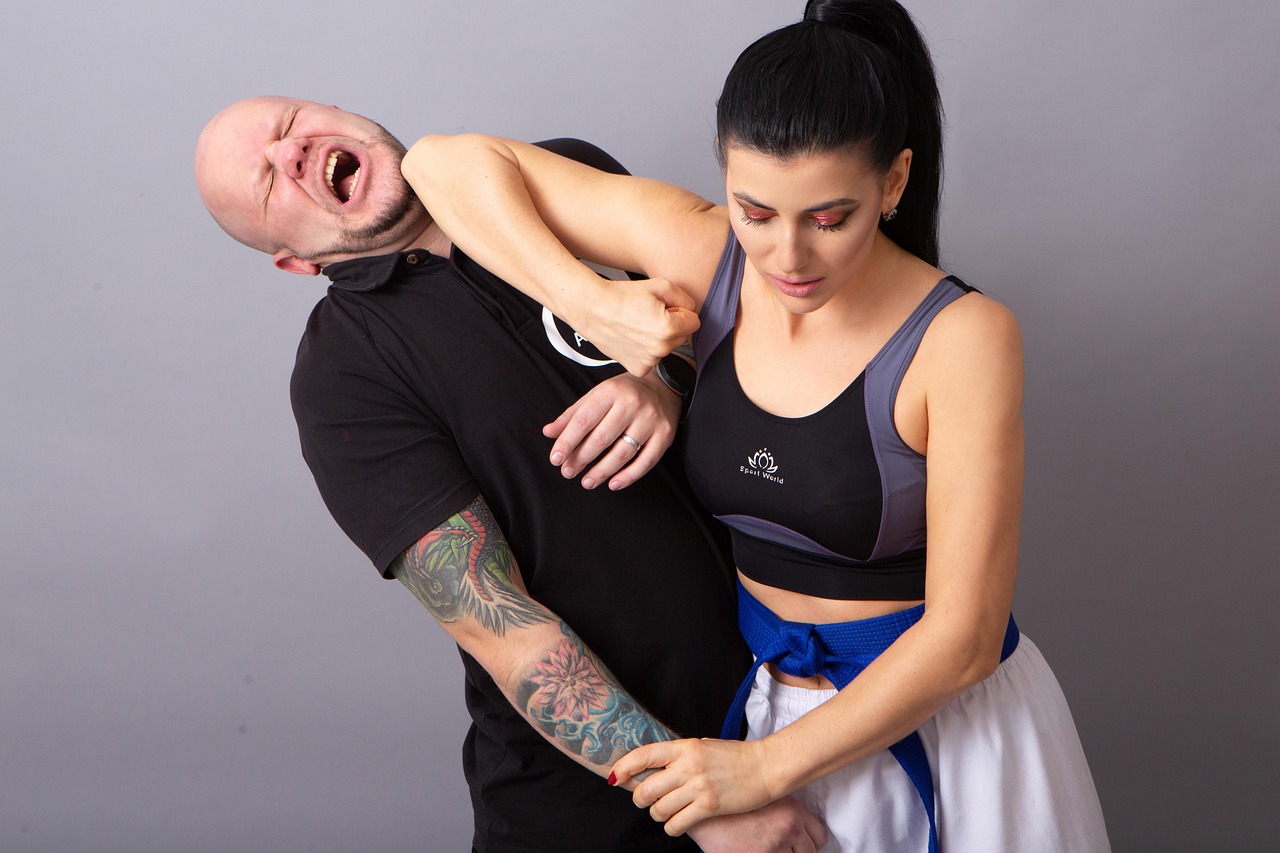
As part of self-defense training, dealing with armed attackers relies heavily on early recognition and response techniques. Through diligent practice, individuals can learn to assess a situation rapidly and determine appropriate actions. Training should emphasize instinctive reactions that are safe and effective. Role-playing scenarios may help you develop these instincts, enabling a swift reaction should danger arise. Focus on situational training, which requires you to respond to pre-arranged threats and attacks. These simulations provide practical experience essential for real-life encounters. This prepares you to remain composed under pressure and increases your likelihood of disarming or escaping from an assailant. Remember, the goal isn’t just to respond, but to ensure personal safety while minimizing harm. Equip yourself with essential tools that might include verbal de-escalation strategies. Often, communication can diffuse a situation without physical confrontation. Becoming proficient in body language and defensive tactics is also vital. Use practice sessions to reinforce muscle memory and technique under stressful conditions. Self-defense demands a clear understanding of potential outcomes and appropriateness of response techniques. Regular training and assessment allows individuals to enhance responses and ensure preparedness for any future crisis.
Recognizing Threatening Behavior
Understanding how to identify threatening behavior is crucial for effective self-defense. Those who understand what to look for can often prevent dangerous situations before they escalate. Some indicators of potential threats include erratic movements, excessive aggression, or an individual’s attempts to invade personal space. Observe for signs of intent behind an individual’s eyes; hostility or aggression may reveal an underlying motive to attack. Additionally, note any alterations in the surrounding atmosphere, as these changes might signal impending danger as well. A sudden change in people’s demeanor, an increase in noise, or even a notable absence of movement can indicate something is amiss. Familiarizing yourself with these behaviors enhances your ability to react promptly to a threatening presence. Awareness of cultural cues is equally vital, as behaviors can vary significantly across cultures. Self-defense training courses often incorporate these lessons to equip participants with necessary observation skills. Engage in discussions around threat recognition during training exercises, allowing for practice and consultation among peers. Recognizing and discussing behavior patterns fosters community knowledge, promoting a proactive approach in combatting armed attacks. Strong awareness is your first line of defense.
Aside from being vigilant, practicing situational awareness can significantly bolster your defenses against armed attackers. By being conscious of your surroundings, you increase your readiness to identify potential threats. Remember the acronym S.T.A.R., which stands for Scan, Think, Act, Review. This strategy encapsulates the process of assessing environments effectively. Start by scanning your vicinity for people, exits, and possible hiding places. Next, think critically about the potential threats represented by what you observe. For instance, could an unattended bag signify dangerous intent? After that, develop a plan of action that allows for a quick response. It could mean moving to a safer location or preparing to confront a threat if necessary. Finally, take time to review situations afterward, analyzing your responses, decisions, and outcomes. This reflection reinforces learning, helping you become more adept in crisis scenarios. In any self-defense training, sample scenarios where spontaneous decision-making is required are invaluable. Such drills can build the instinct to maintain awareness and act decisively amidst uncertainty. Practicing these principles can enhance your confidence and preparedness, ultimately preventing armed attacks.
Using Technology Wisely
Today’s technology can also serve as an aid in improving self-awareness. Smartphone applications and devices designed for personal safety keep individuals connected and informed about potential threats. There are numerous personal safety apps available that offer real-time alerts and location tracking options, providing an additional layer of security. Familiarizing yourself with these technological tools can enhance your capabilities in a threatening situation. They can serve not just as safety measures, but can also promote greater awareness of surroundings. For instance, GPS tracking can help friends and loved ones monitor your whereabouts. Furthermore, devices like smartwatches have emergency functions that can alert authorities discreetly. When using technology, prioritize maintaining awareness rather than succumbing to distractions. Avoid the trap of being so absorbed in your device that you ignore your surroundings. Instead, combine technology with mindfulness practices to remain tactically aware. Engage with community safety platforms that provide updates regarding local criminal activities. Social media can amplify this aspect, facilitating discussions with your neighborhood about recent events. Appropriately integrating technology into awareness strategies will empower you to protect yourself against armed attackers effectively.
Training with peers and mentors can significantly reinforce your self-defense skills. In any form of self-defense training, having someone to practice with can facilitate learning through reinforcement and constructive criticism. Find a training partner who shares similar goals and motivation. Engage in consistent practice sessions and drills that focus on situational scenarios. These collaborations can lead to shared knowledge, ultimately fostering overall improvement. Consider enrolling in group classes focused on unarmed self-defense tactics, as they often provide a supportive and collaborative environment. Such settings allow members to learn from the instructor while simultaneously gaining insights from each other. Ways to enhance communication skills, leverage verbal de-escalation techniques and employ strategic thinking provide ample opportunities for growth. An additional benefit of training within a group is the opportunity to experience diverse perspectives on threat recognition and response. Encourage feedback among peers, and openly discuss fears and anxiety related to armed attackers. Each participant can contribute valuable insights, enriching the overall experience. Continuous dialogue fosters an environment of shared trust. This not only helps alleviate individual fears but also cultivates a heightened collective awareness, which functions as a safety net for everyone involved.
The Importance of Mental Preparedness
Mental preparedness is an essential aspect of self-defense that many might overlook. Becoming mentally equipped to face armed attackers involves developing confidence in your abilities and decision-making processes. Building mental resilience prepares individuals to manage fear and anxiety during high-pressure situations. Effective training includes strategies designed to enhance mental sharpness. Visualization techniques can be particularly helpful; imagine yourself responding decisively to a threatening encounter. This mental rehearsal enhances confidence and reinforces a proactive mindset. Additionally, practice mindfulness and relaxation exercises to cultivate composure in stressful moments. Breathing techniques can aid in maintaining emotional control. Additionally, participating in simulation exercises creates realistic assessments of your reactions. Repeatedly confronting simulated threats increases your comfort level and confidence when faced with a genuine situation. Your brain learns through practice, allowing it to respond instinctively when under threat. Apply situational awareness principles alongside mental preparedness, cultivating a holistic approach to self-defense. Engaging in discussions about mental preparedness among peers can further reinforce these ideas. The more equipped you feel mentally, the less likely an armed attacker may successfully intimidate you during a tense situation. Empower yourself through knowledge and practice.