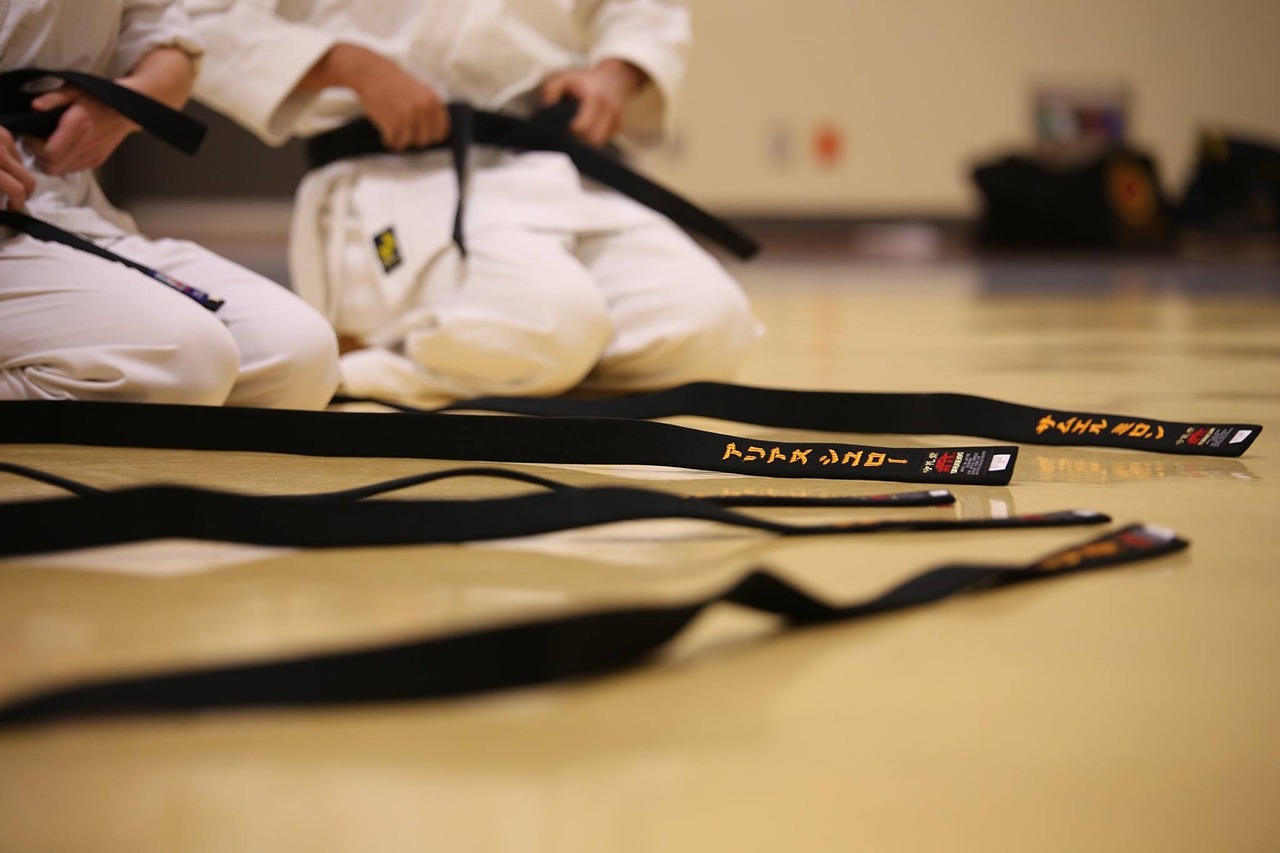

Understanding the Philosophy Behind Shotokan Karate
Shotokan Karate is not merely a physical activity; rather, it embodies a comprehensive philosophy that governs its practice. This traditional martial art emphasizes mental discipline, respect, and the continuous pursuit of self-improvement. Central to the philosophy of Shotokan is the idea of balance—both in terms of physical technique and mental state. Dedicated practitioners learn to maintain equilibrium through rigorous training, which sharpens both their body and mind. Developing a strong mind is as crucial as perfecting physical movements; thus, many Shotokan dojos incorporate meditation and breathing exercises as integral components. The ultimate goal of Shotokan is to attain a state of self-awareness, where one can respond to challenges with poise and confidence. Aspiring students are taught to overcome their weaknesses and to seek harmony in their internal and external worlds. By embracing this holistic approach, individuals often discover a deeper relationship with their true selves, fostering resilience and discipline that extends beyond the dojo. With each kata, practitioners engage in a dance of philosophy and action, forging not just warriors but also thoughtful individuals who respect themselves and others.
At the foundation of Shotokan’s philosophy is the value of respect, which permeates every aspect of training. This carries different implications; respect for oneself, instructors, fellow students, and the art itself are deeply ingrained. Practitioners bow upon entering and leaving the dojo as a sign of respect. This is not merely ceremonial; it symbolizes the understanding that martial arts education is rooted in tradition. Under the guidance of skilled teachers, students learn about the roots and history of Shotokan, enabling them to appreciate the lineage of their practice. Each aspect of training encourages humility and grace, promoting the idea that learning is a lifelong journey. Furthermore, respect instills camaraderie among practitioners, enhancing the sense of community within the dojo. By embracing this communal spirit, students foster friendships and teamwork, which are as essential as individual skill. As students grow in knowledge, they also recognize the importance of humility in the face of greater challenges. The respect cultivated through Shotokan extends beyond the dojo, enriching everyday interactions and promoting a culture of kindness and understanding in their lives.
Self-Discipline and Mental Fortitude
Self-discipline is another cornerstone of Shotokan’s philosophy. Practitioners quickly discover that mastery requires consistent effort and persistence. The rigorous training schedule demands not just physical strength, but also mental tenacity; overcoming fatigue and frustration during sparring sessions can be daunting. Each punch, kick, and block represents not only a move but also a lesson in perseverance. By adhering to a dedicated training routine, students develop self-control, paving the way for improved focus and patience. Such discipline often leads to lasting improvements in various aspects of life, from academic commitment to professional responsibilities. Mental fortitude is crucial when facing setbacks, whether in competitions or personal challenges. Shotokan practitioners learn that failure is not an end but a stepping stone to success—a mindset that can transform lives beyond the dojo. With this resilience, they learn to face fears head-on, whether on the mat or in everyday situations. In cultivating self-discipline and perseverance, Shotokan Karate instills enduring life skills that prepare individuals for the uncertainties of life, promoting a proactive attitude toward challenges.
Additionally, the philosophy of Shotokan encompasses the principles of harmony and balance within combat. Contrary to popular belief, martial arts are not solely about aggression; they are also about understanding the flow of energy during confrontation. Shotokan emphasizes achieving victory through effortless techniques rather than brute strength. Practitioners learn to use an opponent’s energy against them, creating a fluid exchange rather than a rigid clash. This approach invites practitioners to remain calm and composed, recognizing that true strength lies in adaptability. The study of katas encourages this sense of flow, allowing practitioners to internalize techniques that blend offense and defense harmoniously. Each kata serves as a metaphorical journey where students explore their own potential while gaining insight into their weaknesses. Moreover, this focus on balance extends to life outside the dojo, where individuals aim to strike a balance between work, leisure, and self-care. Emphasizing harmony in both combat and personal life also reduces stress and promotes mental clarity, benefiting athletes and non-athletes alike in their daily lives.
Building Character Through Shotokan
The philosophy of Shotokan Karate also significantly contributes to character development. Through the demanding nature of training, individuals learn values such as honesty, integrity, and humility. Each training session not only improves technical ability but also fosters moral growth. Practitioners are encouraged to uphold high ethical standards that influence their interactions with others. The challenges faced during sparring or kata practice nurture resilience, teaching students how to respond to adversity with grace rather than aggression. In this way, Shotokan cultivates strong character and ethical conduct. As practitioners progress through belt ranks, they not only enhance their physical skills but also reflect on their personal development and the qualities they embody. The concept of never becoming complacent is crucial; Shotokan instills in its students the understanding that mastery is a gradual process requiring constant introspection. As individuals grow in both skill and character, they become positive influences in their communities, often volunteering or mentoring newer students. This cycle of growth and community contribution underscores the core principle of Shotokan: martial arts serve not just as a physical practice but as a means for enhancing one’s character.
Moreover, Shotokan Karate encourages a deep understanding of the connection between body and mind, underscoring the importance of mental preparedness in physical practices. As students advance, they discover that fighting techniques require not just physical prowess but also a strong mental framework. Techniques such as visualization and controlled breathing play pivotal roles in achieving peak performance. Practitioners learn to visualize their movements, essential for succeeding in competition and daily life. The mental aspect of training goes hand in hand with physical preparation, emphasizing the idea that a calm mind enhances execution. Moreover, mindfulness during practice reduces anxiety, leading to improved focus—a beneficial trait when facing life’s challenges. Shotokan provides various strategies for mental fortitude, such as meditation and reflection, reinforcing the philosophy that the mind must be equally trained. Balancing mental and physical aspects enables students to perform at their best, not only in martial arts but also in academic and professional settings. This comprehensive approach to training fosters well-rounded individuals prepared to face life’s battles with clarity and confidence.
Incorporating Shotokan Philosophy into Daily Life
Ultimately, the philosophy behind Shotokan Karate transcends the dojo, offering invaluable life lessons that practitioners can incorporate into their daily lives. The principles of respect, self-discipline, and balance have profound implications for how individuals navigate their personal and professional relationships. Practicing Shotokan helps individuals develop a sense of purpose, guiding them towards their goals with tenacity. In their careers, practitioners may find motivation to pursue excellence while fostering a collaborative environment with colleagues. The mastery acquired within the dojo can lead to enhanced leadership abilities, equipping students to inspire and mentor others. Additionally, Shotokan’s emphasis on physical fitness promotes well-being, fostering mental clarity and emotional stability throughout everyday challenges. By applying these lessons outside the dojo, practitioners enhance their personal relationships and community involvement. The philosophy empowers individuals to approach conflicts with grace and understanding, promoting harmonious interactions. Ultimately, the teachings of Shotokan Karate equip practitioners not only for combat but also for a meaningful and fulfilling life experience that resonates beyond the tatami.
In conclusion, the philosophy behind Shotokan Karate extends far beyond its physical techniques. This martial art emphasizes a holistic approach to self-improvement, character development, and mental discipline. Respect, balance, and self-discipline hold immense significance in guiding practitioners through their training journey, enhancing both their capabilities and moral compass. By embracing the lessons of Shotokan, students cultivate resilience, adaptability, and mindfulness. They become not only skilled martial artists but also thoughtful individuals capable of impacting those around them positively. As practitioners learn to navigate the challenges of life, they embody the essence of Shotokan, transforming adversities into opportunities for growth. The art of Shotokan Karate nurtures physical, mental, and ethical development, forging not just fighters but leaders and citizens committed to community well-being. Ultimately, Shotokan serves as a powerful vehicle for personal exploration and transformation, a journey that encourages the quest for balance, unity, and compassion. Through its enduring philosophy, Shotokan Karate remains a timeless tradition that champions the idea of martial arts as a path—not solely to physical success but to the realization of one’s fullest potential.