
Yoga for Flexibility: Combining Strength and Stretching Poses
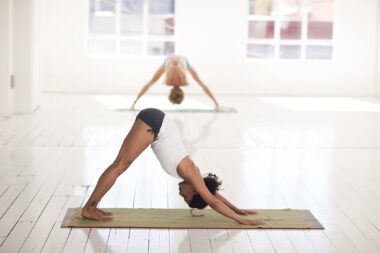
Yoga is widely recognized for its incredible ability to enhance flexibility, which is crucial for overall physical health and performance. Practicing yoga not only stretches the muscles but also strengthens them simultaneously. This dual approach makes it an excellent choice for those seeking to improve their range of motion while building core stability. Incorporating poses like Downward Facing Dog and Forward Bend facilitates this harmony of strength and flexibility. Moreover, these poses are accessible for beginners and can be adjusted for different skill levels. For those looking to deepen their practice, progressively advancing into more challenging poses such as the Pigeon Pose can further increase flexibility over time. Additionally, yoga contributes to body awareness. As you learn to connect with your body through each posture, you also learn to appreciate its limits and capabilities. This mindfulness can reduce the risk of injuries caused by overextending or pushing too hard. Hence, integrating yoga into a daily routine can serve as a preventive measure against common muscle injuries and strains, providing both physical and mental health benefits. Consistency is the key to achieving long-term flexibility goals.
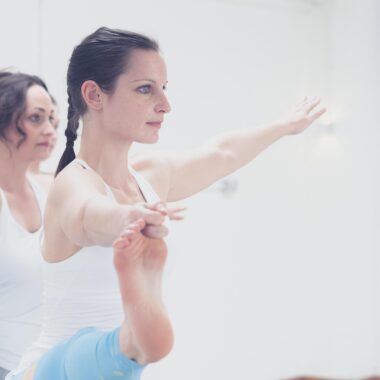
Incorporating yoga poses specifically designed for flexibility can vastly improve your overall mobility. Poses such as Cat-Cow, and Warrior II focus on stretching significant muscle groups essential for daily movements. Additionally, these postures enhance strength, which is vital to support flexible muscles, leading to better performance in physical activities. You may want to combine these poses with techniques like deep breathing to deepen your engagement and increase their effectiveness. The balance between strength and flexibility is significant because flexible muscles require strength to support the increased range of motion. This combination minimizes the chances of injury, especially if you lead an active lifestyle. Selecting the right poses also helps target specific areas, such as hamstrings, quadriceps, and lower back. This tailored approach is critical for individuals recovering from injuries or athletes looking to improve their performance. Furthermore, practicing regularly can lead to substantial improvements over time, making it easier to achieve your fitness goals. Consistency in your yoga practice will not only betters your flexibility but also enhances your overall well-being, easing tension and stress. Thus, incorporating yoga into your routine is an investment in your long-term health.
The Benefits of Flexibility in Yoga
The benefits of increased flexibility go beyond mere physical appearances; they contribute to a comprehensive sense of well-being. Increased flexibility can lead to decreased muscle soreness, improved posture, and enhanced athletic performance. When muscles are more limber, they can perform at their best, allowing for an increased range of motion in athletic pursuits or everyday activities. Moreover, more flexibility can help reduce tension and stress, which often accumulate in areas of tightness in the body. A well-rounded yoga routine targeting flexibility can also foster mental clarity, enabling practitioners to focus better. This clarity can be invaluable when tackling both physical and personal challenges, offering a holistic approach to health. Additionally, maintaining flexibility can aid in injury prevention, as supple muscles are less likely to tear or strain. Incorporating a variety of poses within your yoga routine will help target different muscle groups, enhancing the overall benefits received. When practiced regularly, yoga can establish a foundation for body awareness, allowing individuals to listen to their bodies more effectively and adapt their practices accordingly. Therefore, yoga’s dual benefits for mind and body make it a highly valuable practice.
To optimize your yoga practice for flexibility, consider integrating props into your routine. Tools like blocks, straps, and bolsters can provide additional support and enhance your ability to achieve postures effectively. For example, using a block during poses like Triangular Pose can help you reach deeper into the stretch without straining. Similarly, straps can assist with poses like Seated Forward Bend, allowing for better alignment and deeper stretches. Beginners often find these aids invaluable as they gradually increase their flexibility and comfort level in various poses. Furthermore, props can enhance the relaxation aspect of yoga, as they allow you to maintain postures longer while ensuring the body is well-supported. Invest time in exploring different props to discover what works best for your body type and flexibility level. Practicing with props can also significantly decrease the risk of injury, as they offer safety and stability when executing challenging poses. As you progress, you might find yourself becoming more confident in balancing your flexibility and strength, ultimately leading to a more fulfilling yoga practice. Regular integration of props encourages a non-competitive space in which individuals can focus on personal growth.
Creating a Balanced Yoga Routine
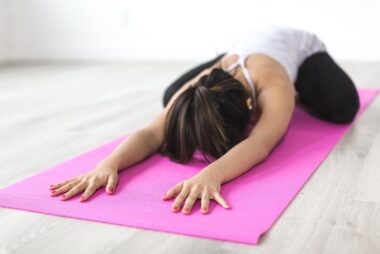
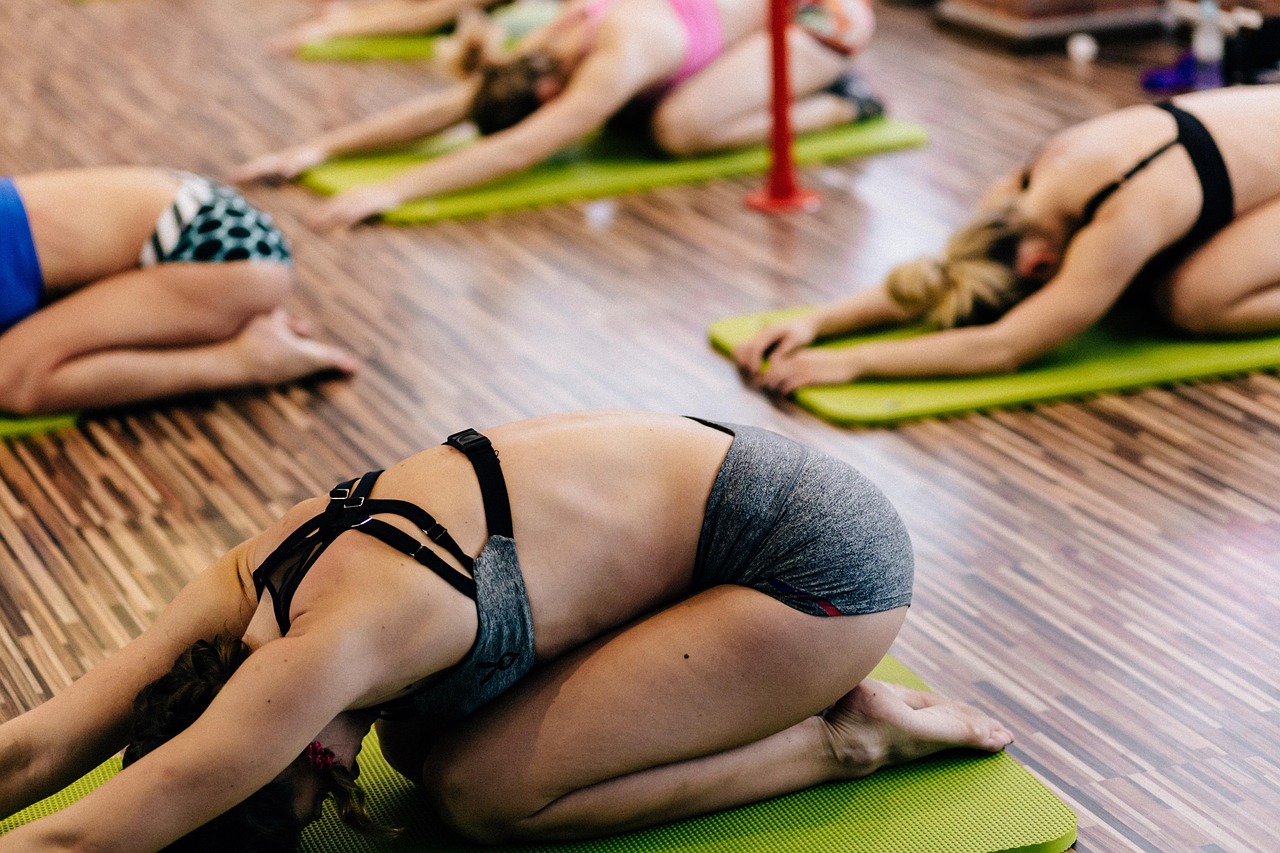
When crafting a balanced yoga routine designed for flexibility, it’s crucial to include a variety of asanas targeting different muscle groups. Start with a gentle warm-up to prepare your body for stretching. You may include poses like Child’s Pose, which helps to relax and elongate the spine. After your warm-up, transitioning into deeper stretches such as the Cobra Pose or Triangle Pose will further enhance flexibility in the hips, back, and legs. Balancing strength with flexibility is essential, so consider alternating between strength-building poses like Plank Pose and more restorative postures. It’s also advisable to dedicate time to breathwork, as deep, mindful breathing helps relax tight muscles. This relaxation enables a more significant release during stretching. You could end your routine with restorative poses like Legs-Up-the-Wall, which allows your body to recover. Having a consistent practice schedule—whether it’s daily or a few times a week—will provide cumulative benefits over time. Gradually increasing your session length will allow you to develop more profound flexibility. Being patient with your body’s progress ensures a rewarding journey.
In addition to building an active practice, mindfulness plays a significant role in a successful yoga journey. Being present during your practice helps you to connect with your body, fostering an understanding of its limits. This understanding is critical, especially when push towards increasing flexibility. It helps prevent injuries from pushing too hard or ignoring discomfort signals. Incorporating meditation techniques can enrich your practice, allowing for deeper relaxation and focus. A simple practice of setting an intention before each session can also enhance mindfulness. This practice can help clarify personal goals, whether it’s improving flexibility or enhancing overall well-being. As you progress through the various poses, checking in with your body’s response encourages a compassionate approach to your practice. Furthermore, integrating mindfulness techniques will improve your connection with your breath, making your practice more fluid and harmonious. Over time, this mindful approach will enable a deeper transformation, not just physically but mentally and emotionally as well. The journey of building flexibility through yoga will empower you to feel stronger and more connected in your life.
Your Yoga Journey Towards Flexibility
Embarking on your yoga journey for flexibility is an exciting adventure that addresses both physical and mental health. Start by experimenting with different styles of yoga to discover which resonates with you the most. Some people may prefer gentler forms, such as Hatha, while others might find Vinyasa aligns more with their dynamic goals. Understanding your preferences is the first step toward a fulfilling practice. Engaging with a qualified instructor can provide valuable insights and corrections, ensuring effective postures and techniques are employed. Furthermore, joining a community of fellow practitioners can offer support and motivation on your path to greater flexibility. As you systematically progress in your practice, celebrate small victories that contribute to your overall journey. They are essential milestones, regardless of how minor they may seem. Approach each practice with curiosity rather than competition, allowing yourself to explore your body’s full potential without constraints. This mindset fosters a sense of enjoyment and leads to long-lasting commitment. Ultimately, remember that the journey towards enhanced flexibility through yoga is personal and unique, encouraging self-discovery and personal growth along the way.
Yoga’s approach to flexibility uniquely integrates physical strength with mindful awareness, enhancing both mental and physical health. Through various poses and transitions, practitioners develop a deeper understanding of their bodies and the benefits of flexibility. Consistent practice nurtures not just flexibility but fosters resilience as well. Enhanced flexibility not only impacts physical performance but also plays a crucial role in everyday activities. The increased mobility enhances the way we carry out daily tasks, turning the mundane into more manageable tasks. Overall, it becomes apparent that improving flexibility through yoga is a holistic process that contributes to a better quality of life. Navigating through challenges becomes easier, paving the way for personal growth and self-acceptance. As you continue on this journey, strive to embrace what your body can do today while not rushing into tomorrow. Establishing a rewarding practice requires patience, dedication, and the willingness to learn. Whether just starting or advancing, remember it’s about your journey, not the destination. Reconnect with your breath during your practice, harmonizing body and mind. Over time, these practices will cultivate both physical flexibility and an adaptable mindset.