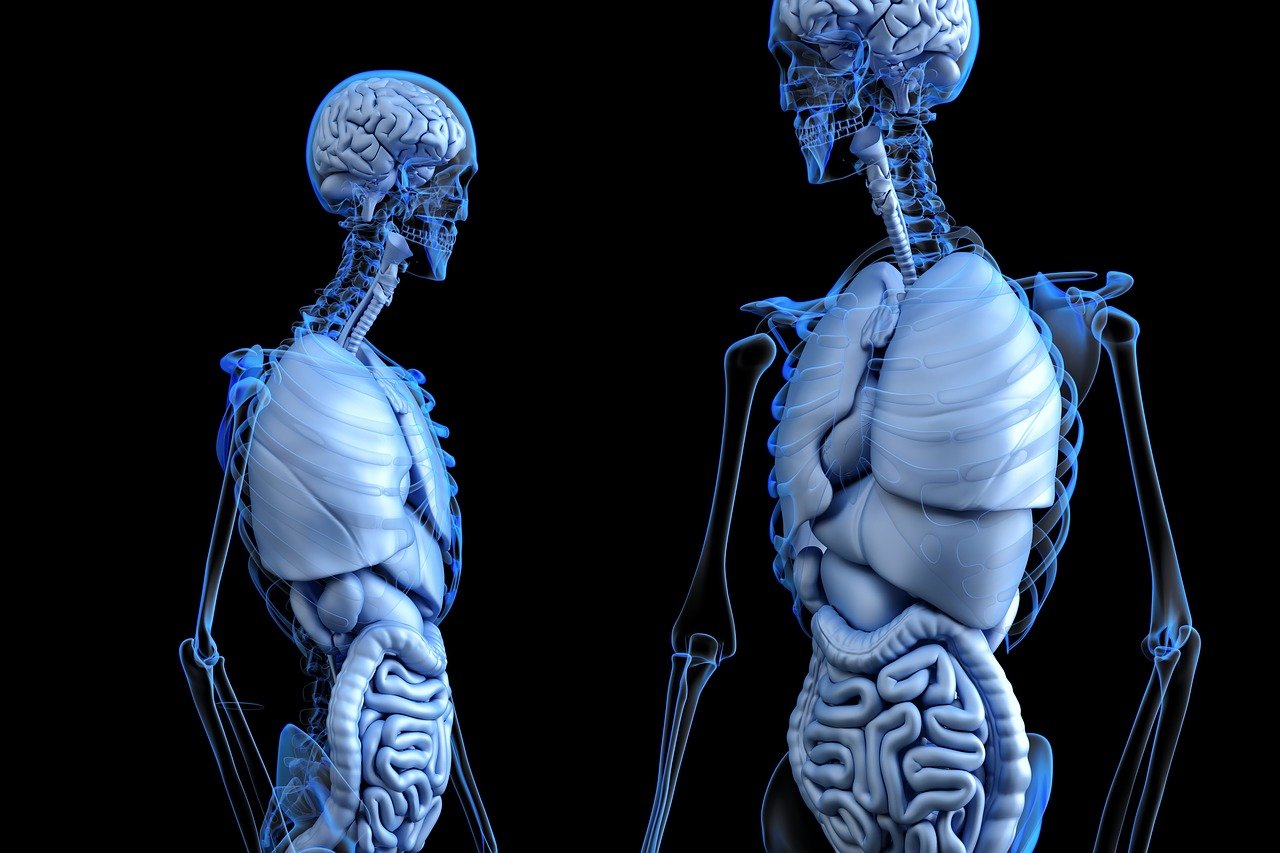

Understanding the Gut-Brain Axis for Improved Athletic Mental Health
The relationship between nutrition and mental toughness is critical for athletes. Modern research has identified the gut-brain axis as a vital element influencing this link. The gut-brain axis describes the bidirectional communication between the gut and brain, connecting various physiological and psychological functions. Athletes often experience high levels of pressure, which can directly impact their mental health. Understanding this connection can empower athletes to optimize their nutrition to enhance mental resilience. A well-functioning gut can improve mood by producing neurotransmitters such as serotonin. Furthermore, good nutrition supports cognitive functions necessary for athletes to perform optimally under stress. Embracing the gut-brain relationship allows athletes to make informed dietary choices. Foods rich in probiotics and prebiotics can enhance gut health, subsequently benefitting mental health. Nutrient-dense options are paramount to ensure athletes receive the proper vitamins and minerals. The link between a healthy gut and improved mental clarity is growing in importance. Training should incorporate nutritional strategies prioritizing gut health. This holistic approach will maximize performance and overall well-being. Athletes can cultivate a diet that nurtures both body and mind, enabling peak performance and sustained mental strength.
The gut-brain axis plays an even more significant role during intense physical exertion. During strenuous workouts, the body requires an optimal fuel mix to sustain energy levels and maintain mental sharpness. Poor nutrition choices may lead to fatigue and decreased cognitive function, ultimately impacting athletic performance. Research indicates that specific nutrients can influence mental toughness and overall mood. For example, omega-3 fatty acids found in fatty fish are known to support brain function and reduce inflammation. Moreover, antioxidants from fruits and vegetables combat oxidative stress caused by intense training. A well-balanced diet that includes healthy fats, proteins, and complex carbohydrates is essential in supporting both physical and mental endurance. Athletes should focus on whole foods, such as lean meats, whole grains, nuts, and plenty of fresh produce to fuel their bodies. Hydration is also vital; water intake should never be overlooked as it significantly affects cognitive and physical functioning. Planning meals around training schedules can ensure athletes maintain energy levels throughout their day. Ultimately, prioritizing nutrition strategies can empower athletes to face challenges with greater confidence. By adopting a holistic nutrition approach, athletes can greatly benefit both their mental toughness and physical performance.
The Impact of Stress on Gut Health
Stress is an inevitable part of an athlete’s journey, but its impact on gut health is often underestimated. Research has shown that high stress levels can disrupt the balance of gut bacteria, leading to gastrointestinal issues. These issues, in turn, can adversely affect mental health and cognitive function, contributing to a vicious cycle. Stress management techniques, such as mindfulness, meditation, and yoga, are essential in mitigating these effects. By integrating stress-reducing practices into their routine, athletes can promote a healthier gut microbiome. Additionally, dietary practices can be adjusted to support emotional well-being through specific nutrition targeted toward reducing inflammation. Foods rich in omega-3 fatty acids and plant-based options can contribute positively to gut health. Furthermore, avoiding excessive sugar and processed foods is crucial, as they can exacerbate stress levels and disrupt the gut microbiome. Introducing probiotics and fermented foods can help restore balance in gut bacteria, promoting better health outcomes. Athletes committed to enhancing their performance through nutritional strategies must also consider the implications of stress on their gut and mental health. Educating oneself about these influences can streamline an athlete’s approach to achieving optimal performance.
The role of the gut-brain axis extends to emotional resilience for athletes facing competitive pressures. The mindset is crucial in how athletes handle failures and setbacks during competitions. Nutrition impacts neurotransmitter pathways associated with mood regulation, thus influencing emotional resilience. Consuming nutrient-dense foods can enhance neurotransmitter production and improve mood, allowing athletes to remain focused and composed. Foods rich in fiber support a healthy gut microbiome and can also help reduce symptoms of anxiety and depression, contributing to increased mental toughness. The combination of physical strength and mental resilience is the foundation of high-level athletic performance. Every individual’s response to nutrition can vary; thus, understanding personal nutritional needs and preferences is paramount. Through experimentation with foods that positively impact mood, athletes may discover their most effective nutritional strategies. It’s essential to evaluate dietary intake regularly, making adjustments as needed to support ongoing mental health. The potential of nutrition to cultivate emotional strength in athletes cannot be underestimated. Ultimately, pairing mental toughness with gut health can lead to sustained success and well-being in competitive environments.
Nutritional Interventions for Enhanced Performance
Nutritional interventions can significantly enhance both physical and mental performance in athletes. Powering up with the right foods before competitions can make all the difference in performance levels and mental clarity. Pre-competition meals should focus on complex carbohydrates for sustained energy while incorporating lean proteins and healthy fats for greater endurance. Consuming the right nutrients post-competition is equally vital for recovery. Timing played in nutrition, particularly during the recovery window, can dictate how well the body repairs itself. Many athletes overlook hydration, yet it plays a critical role in cognitive function. Dehydration can lead to fatigue and decreased focus, resulting in poor performance. Understanding the significance of micro-nutrients, such as vitamins and minerals, can also facilitate improved recovery. Optimizing iron and calcium levels can affect energy levels, which are crucial during physical exertion. Overall, nutritional strategies must be tailored to individual needs, considering sport-specific demands and personal preferences. Athletes should prioritize whole foods over processed products to achieve peak nutritional benefits. A personalized approach can enhance athletic performance and improve mental resilience in facing challenges.
Athletes must also consider meals at various training stages. Pre-training nutrition prepares the body for exertion, while recovery meals facilitate healing and muscle repair. Ideal pre-training meals should focus on easily digestible foods to prevent discomfort during intense activities. Conversely, post-training meals rich in protein and carbohydrates aid in refueling and muscle synthesis. Integrating snacks between structured meal times can help maintain energy levels and stable blood sugar throughout training sessions. Recognizing the importance of amino acids, athletes should include sources such as lean meats, dairy, legumes, and nuts to support recovery. Additionally, exploring meal timing, such as carbohydrate loading before major events, can optimize performance. Strategic planning around training schedules assists in peak nutritional timing, significantly improving cognitive functions. The connection between nutrition, gut health, and athletic performance is undeniable. A comprehensive understanding of how food choices impact both physical and mental resilience allows athletes to capitalize on their training efforts. The pursuit of excellence extends beyond physical capabilities; understanding nutrition’s influence can empower athletes to reach their full potential within their sport.
Conclusion: Embracing Nutrition for Mental Health
Embracing nutrition as a tool for improved mental health represents a paradigm shift for athletes. The gut-brain axis provides a scientific understanding of how nutrition influences not only physical performance but also mental resilience. By prioritizing a balanced diet rich in whole foods, athletes have the power to enhance their mental toughness. Moreover, educational initiatives focusing on nutrition awareness can benefit athletes significantly, providing insights into their dietary habits and how these correlate with their mental well-being. Athletes can become advocates for the integration of nutritional awareness into training regimens, fostering environments where mental health is prioritized alongside physical health. Moving forward, continued research on the gut-brain axis can yield profound insights into nutrition’s role in athletic performance. This knowledge can lead to innovative dietary strategies tailored to support both physical and mental demands. Ultimately, creating awareness around the link between gut health and mental health will help athletes navigate the challenges of competition bars. Embracing a holistic approach that incorporates nutrition will undoubtedly enhance athletes’ overall quality of life, empowering them to reach their desired goals while promoting lasting mental health benefits.
In conclusion, understanding the intertwining relationship between nutrition and mental toughness is essential for athletes striving for excellence. As research continues to unfold the complexities of the gut-brain axis, athletes can unlock new nutritional strategies to bolster their mental resilience. Prioritizing gut health through diet opens doors to improved mood and cognitive function, essential qualities for achieving peak performance. Flexibility in dietary choices allows athletes to adapt their nutrition around their training and individual preferences. Nutritional education plays a vital role in empowering athletes to make informed decisions, ultimately cultivating healthier lifestyles. Stress and competition’s ensuing pressures should not undermine their mental health; rather, they can be managed through dedicated nutritional choices. As more athletes recognize the importance of nutrition on their mental health, sporting environments will foster holistic strategies beneficial to overall well-being. In summary, an athlete’s journey in sports is an intricate dance between body and mind. A genuine commitment to nutrition will lead to greater achievement and fulfilling experiences on and off the field. This multi-dimensional approach to athleticism invites athletes to harness the true power of nutrition for improved performance and enhanced mental health.