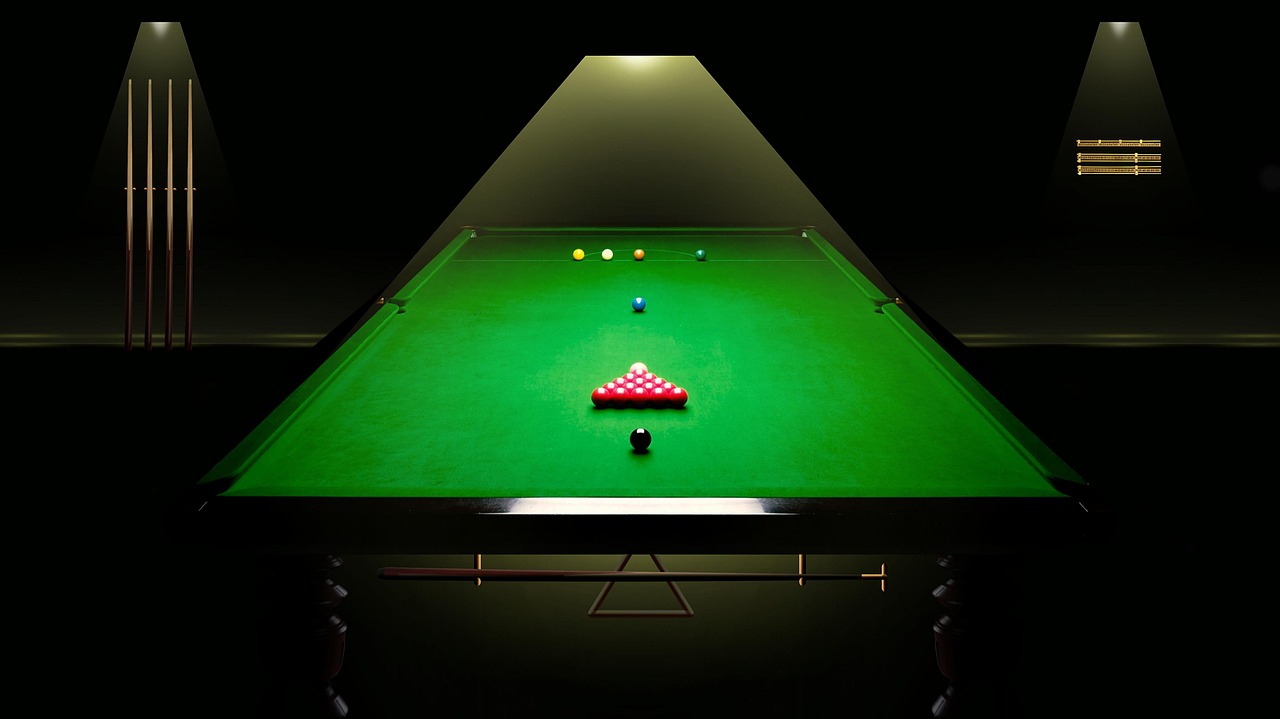

Balancing Technical Skills and Creative Play in Snooker
Snooker, a sport that combines precision and strategy, demands a well-rounded skill set from its players. Developing technical skills, including stance, alignment, and shot execution, remains crucial. Technical proficiency forms the foundation of any snooker player’s success. Mastering cue ball control allows players to dictate the game’s pace and direction, enhancing their competitive edge. In addition to technical skills, fostering creative play leads to unique shot-making capabilities and effective problem-solving on the table. Creative players find innovative angles and unexpected ways to navigate complex layouts, making their performance captivating to spectators. Hence, integrating technical ability with creativity cultivates adaptability, allowing players to thrive under pressure. It is essential for coaches and players to work together, developing training regimens that incorporate both aspects. Regular practice drills focusing on technical details, alongside scenario-based exercises fostering creativity, serve to harmonize these skills. Thus, players not only achieve higher proficiency but also become more resilient in turbulent situations during critical matches, developing a profound understanding of the game’s nuances. It is in creating this balance that players truly refine their art form in the world of snooker, potentially reaching their full performance capacity.
To establish a solid foundation, aspiring snooker players must invest time in honing their technical abilities. This maintenance involves repetition and attention to detail. Players should dedicate hours to practicing key technical skills such as the grip, stance, and delivery of the cue. Along with these basic skills, players must perfect their alignment, directing the cue ball with precision. Coaches can assist in ensuring that their players are consistent in these fundamental areas. This structure not only fortifies confidence but also reduces errors during competitive play. However, pure technical ability does not guarantee success in snooker. Embracing creative play is equally important. Players should focus on visualizing innovative pathways on the table, anticipating opponents’ moves while crafting unique solutions to overcome challenges. By practicing imaginative scenarios, players can enhance their situational awareness and decision-making. Coaches should incorporate creative drills that encourage experimentation with different shot styles and strategies. In nurturing both technical and creative aspects, players discover their unique playing style, building a mesmerizing identity as a competitor. This duality forms a well-rounded skills portfolio, promoting resilience and flexibility, essential attributes for any serious snooker player.
The Role of Coaches in Developing Skills
Coaches play an integral role in navigating the intricate landscape of balancing technical skills with creativity in snooker. They must assess individual players to tailor coaching strategies that align with unique strengths and weaknesses. Understanding a player’s technical foundation allows coaches to introduce personalized drills focusing on those very skills. Additionally, creativity comes into play, where coaches must instill confidence in players to take risks and think outside the box. Creative exercises can help players envision alternative strategies when facing formidable opponents. Through positive reinforcement, coaches can motivate players to embrace their imaginative instincts rather than solely relying on rote technical execution. A well-structured practice environment, cultivated by the coach, encourages experimentation, allowing players to develop their distinctive signature styles. The ultimate goal for coaches involves creating an atmosphere fostering growth where players can joyfully master both traditional techniques and creative tactical thinking. Continuous monitoring and feedback also ensure that players evolve comprehensively. These attributes are pivotal in ensuring players remain adaptable, fully equipped to adjust strategies in response to varying match dynamics, ultimately empowering them to transcend their current capabilities as snooker competitors.
As players become more proficient, the interplay between technical skills and creativity evolves. Complex scenarios during games often demand quick thinking along with well-practiced technical execution. Recognizing this, both players and coaches should emphasize the significance of mental conditioning in addition to physical skills. Visualization techniques can enhance players’ ability to anticipate various game situations, crafting their strategies before even stepping onto the table. Furthermore, mental resilience helps combat the psychological pressures inherent in high-stakes matches. Players with the ability to switch between technical prowess and creative intuition are more likely to outmaneuver opponents. Furthermore, the diversity in creative shot-making keeps adversaries on their toes, preventing predictability. Consequently, competitive success hinges not only on flawless stroke mechanics but also on the willingness to innovate during play. Practical sessions that provoke spontaneity can dramatically improve players’ performance. Ultimately, snooker is not merely a sport intelligence; it embodies artistry, where balancing technical skill with creative flair leads to a more engaging and fulfilling sporting experience. This continuous development reflects well-prepared players, ready to tackle various challenges on and off the green baize, making each match an exhilarating journey.
The Importance of Practice Regimens
Effective practice regimes are paramount in striking a balance between developing technical skills and facilitating creative play in snooker. Adopting a holistic approach to training can ensure adequate focus on both sides. Coaches should develop comprehensive training schedules that incorporate technical drills, play simulations, and exercises aimed at enhancing creativity. For instance, incorporating target-based drills into regular practice not only builds precision but also encourages players to adopt different strategies for achieving their goals. These drills foster a deeper understanding of angles and positioning around the table. Furthermore, adding game-like scenarios compels players to think critically about shot selection, forcing them to explore unique creative plays in response to unfolding situations. Ultimately, these targeted advancements promote a well-rounded skill development model, seamlessly intertwining the mechanical and imaginative aspects of the game. Both players and coaches share responsibility in driving this integrative practice method. Committing to a disciplined schedule will positively influence every match’s performance, as players will feel more confident transitioning from technical execution to creative gambits effortlessly. This confidence becomes foundational in shaping an excellent snooker player able to contend with any opponent across varying competition levels.
As players continue to evolve in their abilities, understanding how to infuse creative thought into their technical practice becomes essential. Committing to consistent reflection and evaluation helps players recognize their areas for improvement and identify opportunities to blend creativity with traditional skills. Engaging in discussions with coaches about their experiences can lead to innovative strategies for overcoming sticking points during matches. Alongside performance reviews, friendly matches among peers can showcase different styles of play, emphasizing how players can learn from one another. Embracing a mindset of collaboration fosters an environment where creativity flourishes. Each match presents an opportunity to expand one’s repository of skills as players face diverse opponents. Setting achievable but challenging goals in practice sessions allows for incremental improvement and rewarding accomplishments, ultimately enhancing players’ confidence on and off the table. This confidence only multiplies opportunity for creative exploration and serves to reinforce the belief in their technical capabilities. Additionally, players should actively seek inspiration from seasoned professionals and established snooker players, analyzing their gameplay to understand the delicate balance between safety plays and aggressive tactics, thus further igniting their creativity in competitive settings.
The Path to Mastery in Snooker
The journey toward mastery in snooker is a continuous and transformative process, marked by the intricate dance between technical precision and creative execution. Players must make a commitment to lifelong learning and growth, recognizing that both elements significantly contribute to their success. Leveraging technology can play a vital role in this journey; utilizing video analysis allows players to review their shots critically. Such tools help players identify technical adjustments and pinpoint moments where creativity could have enhanced their gameplay. By utilizing both contemporary training aids and traditional practice routines, dedicated players can build a comprehensive skill set that encompasses all aspects of snooker. The path to mastery hinges upon the ability to integrate both technical and creative elements, enabling players to tackle multifaceted challenges presented by opponents. This ongoing commitment not only influences individual performance but also fosters a culture of innovation within the snooker community. As players work diligently to create their art form through practice and competitive experiences, the sport itself evolves. The dance between technical finesse and vibrant creativity ensures that snooker remains a dynamic and exciting sport for enthusiasts around the world.
Ultimately, the blend of technical skills and creative play paints a vibrant picture of success in snooker. Players must embrace the ongoing journey of refining these skills, understanding that both play essential roles throughout their careers. Encouragingly, emphasizing a balanced approach inspires new players to join the sport, eager to develop unique identities. The visual appeal of snooker matches serves to engage audiences and offers valuable learning opportunities for aspiring players. As players enhance their technical skills, evolving their creative instincts alongside them, they contribute to the sport’s vibrancy. Embracing the challenges posed by opponents fosters growth and learning, creating an engaging cycle of improvement and excitement. Consequently, the sport can thrive, characterized by a new generation of talented players forging their unique paths. Along this journey, thoughtful coaching remains indispensable, enabling the next wave of competitors to harness their potential imaginatively. As players explore this dynamic interplay, they establish themselves as not merely competitors but as storytellers, weaving narratives of creativity and precision on the green baize. The harmonious balance of these elements promises an exciting future for snooker, delighting fans and participants alike, ensuring the spirit of the game is alive.