
Gentle Yoga Flows for Long-Distance Runners
Long-distance running can be a challenging endeavor for the body, placing stress on joints and muscles. This is where gentle yoga flows come into play, as they can enhance flexibility and improve recovery. Incorporating yoga into a runner’s routine can significantly alleviate tightness, enhance balance, and promote greater overall body awareness. When faced with a hectic running schedule, runners often overlook the importance of a proper warm-up and cool-down. Gentle yoga flows, with their mindful movements, can support the body through these processes efficiently. By integrating specific poses that focus on the legs and hips, runners can directly benefit from improved muscle function. Yoga not only helps physically but also mentally, allowing runners to connect with their breath and cultivate mindfulness. In this article, we will discuss various yoga poses and sequences designed specifically for long-distance runners, focusing on how they can support performance and recovery. Moreover, we will delve into the importance of regular practice to see long-lasting effects, highlighting that consistency is key. Ready to discover how yoga can uplift your running experience? Let’s dive into the wonderful world of yoga for runners.
Breath is a vital connection in yoga practice, especially for runners. Paying attention to breath can significantly enhance a runner’s efficiency and endurance. The Ujjayi breath is often recommended for yoga as it serves to calm the mind, increase oxygen intake, and maintain focus. To practice, sit comfortably and breathe deeply through your nose while constricting the throat slightly. This controlled breathing helps regulate the nervous system and keeps the body calm. Pranayama techniques, such as alternate nostril breathing, are also advantageous as they promote relaxed breathing patterns during runs and reduce anxiety. Additionally, consider incorporating various yoga sequences like the sun salutation, which warms up the entire body and creates a deeper connection with breath. By establishing a consistent practice involving breath work, runners can significantly enhance their aerobic capacity and overall stamina. Furthermore, the focus on breath encourages mindfulness during runs, allowing for enjoyment, even amidst fatigue. Over time, with diligent practice, you’ll notice improvements in not just your endurance but also your ability to remain present. Establishing this connection between breath and movement can transform your running experience.
Essential Yoga Poses for Runners
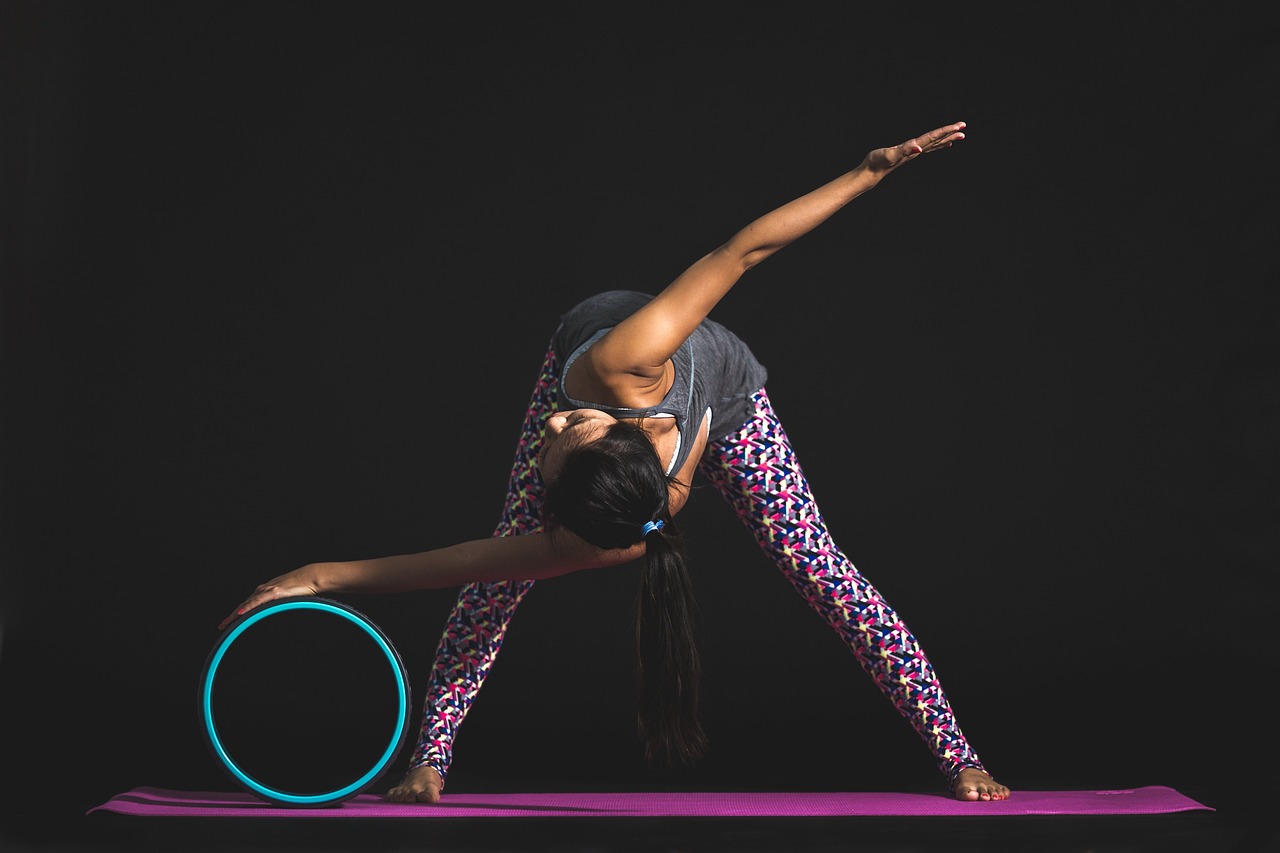
When it comes to yoga for runners, certain poses stand out due to their effectiveness. Downward Dog is a foundational pose that stretches the hamstrings, calves, and spine. This pose can also provide relief to the shoulders and helps in correcting posture, which is essential for long-distance running. Another key pose is Pigeon pose, which focuses on opening the hips and relieving tension in the glutes. By practicing this pose regularly, runners may notice a decrease in injuries related to tight hip flexors. The Warrior II pose also plays a critical role in strengthening the legs while promoting stamina and balance. It’s vital for runners to incorporate these poses into their training regimen to maintain flexibility and prevent injuries. As you explore these poses, consider holding each for 5-10 breaths. This allows for deeper stretching, particularly crucial after long runs. Combining these poses into a flowing sequence can be effective, creating a cardiovascular element to the practice. Let’s look into how to develop a comprehensive routine that incorporates these key elements together.
A well-structured yoga routine designed for runners should blend strength-building postures with deep stretches. Start with a gentle warm-up to awaken the body; then gradually integrate standing poses like Tree pose for balance. Next, transition into deep stretches including Seated Forward Bend and Reclining Hand-to-Big-Toe pose, focusing on areas that tend to become tight from running. Maintaining flexibility in the hamstrings and lower back is crucial for running efficiency. Don’t forget to include some core-strengthening poses like Plank and Boat pose, as a strong core supports proper running mechanics and reduces the risk of injuries. Additionally, consider finishing your routine with a calming sequence that allows the body to unwind. Legs Up the Wall is a restorative pose that fosters relaxation and enhances blood flow, especially valuable after long runs. Incorporate restorative poses regularly, which will foster quicker recovery and prepare the body for upcoming workouts. By recognizing the interconnection between strength, flexibility, and endurance, runners can reach new miles comfortably.
The Balance of Mind and Body
Yoga is not just about physical practice; it extends to enhancing mental well-being. Mindfulness and meditation are core aspects of yoga that can significantly benefit runners. Engaging in mindful practices can help runners develop a mental focus that translates into their running routines. You can practice mindfulness techniques through breathing exercises or guided meditations after your yoga sessions. These practices help in channeling stress and enhancing concentration, leading to improved performance. This mental clarity is fundamental, especially during challenging long runs or competitions. By dedicating time to both mind and body, runners find a harmonious balance. Moreover, visualization can be a powerful tool; envisioning running effortlessly through various terrains can boost motivation. The combination of yoga and mental wellness cultivates resilience, which is necessary for grueling long-distance training. As you continue weaving yoga into your running regimen, take note of shifts in mental vitality. Remember, it’s about the process as much as it is about the outcome; yoga encourages a loving approach to physical training. Maintaining this mindful attitude cultivates lasting enjoyment in each run.
Listening to your body is fundamental in both yoga and running. As runners progress, they may encounter several physical challenges, including pain and fatigue. Honoring your body’s signals while practicing yoga will guide you on how to modify certain poses accordingly. For instance, if feeling tightness during a pose, don’t hesitate to incorporate props like yoga blocks or straps to alleviate discomfort. Adjustments and variations can make poses accessible and safe, allowing you to deepen your practice effectively. Furthermore, integrating recovery practices such as Child’s Pose can enhance relaxation, especially after a vigorous running session. This restorative pose encourages gentle stretching while promoting a sense of peace. Before and after runs, dedicate time for yoga to help achieve optimal body care. Be sure to schedule regular conditioning and yoga sessions; building this base will lead you to run stronger. Lastly, always allow yourself time for rest and recovery, as it is just as integral to improving performance. You’ll find that the synergy between rest, running, and yoga creates a more holistic approach to achieving personal goals.
Creating a Home Yoga Practice
Creating a home yoga practice can be life-changing for runners. Start by establishing a dedicated space, free from distractions, where you can focus on your practice. Utilizing online resources or yoga apps can be incredibly helpful for guided sessions designed specifically for runners. Self-paced practice allows you to design routines according to your energy levels and needs. For beginners, a gentle flow of 20-30 minutes is a great starting point. Gradually increase the duration as you build comfort with the poses. Incorporating a journal can also enhance this journey; document your feelings, progress, and any physical changes. This reflection can provide insight into your growth as a runner and yogi. Remember to set realistic goals and remain kind to yourself throughout this process. A consistent practice, even just a few minutes a day, will yield tremendous benefits. By dedicating this time to yoga, runners build a stronger foundation, improve recovery times, and enhance performance. As you transition between running and yoga consistently, you’ll notice a more profound connection to both activities, amplifying your enjoyment and success in reaching your long-distance running aspirations.
Incorporating the wisdom of yoga into your running regimen can unlock greater potential both physically and mentally. The harmonious blend of breath control, body awareness, and stress management comes from a practiced relationship with yoga. Runners often face mental barriers, but by cultivating mindfulness through yoga, they can push past those limits successfully. Ultimately, the key to benefiting from yoga as a runner lies in dedication. Start slowly, maintain commitment, and celebrate the small victories along the way. Regularly practice the suggested poses and sequences to see improvements in performance and recovery. Additionally, the community surrounding yoga can provide motivation, allowing you to share experiences with fellow runners. As you navigate the connection between yoga and running, enjoy the journey, prizes await those who embrace continuous growth. Take strides toward integrating yoga as a staple in your running regimen, and watch as your capability expands. In doing so, you’ll not only cultivate a more resilient body but also achieve a profound mental shift. Reach your potential by combining the skills of yoga with your dedication to running. The road to becoming a stronger runner can indeed flourish.