
Wearable Technology in Monitoring Athletic Training Loads
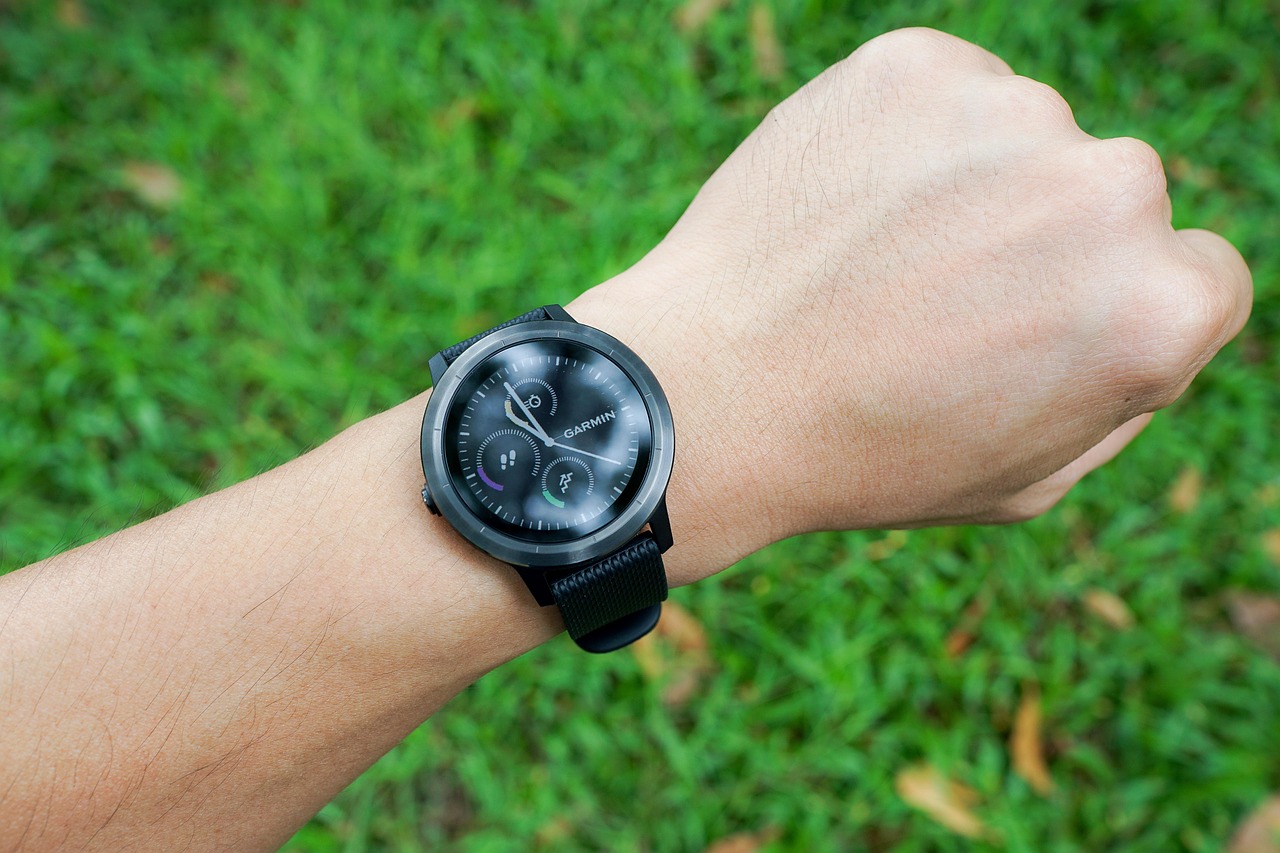
Wearable technology has become an integral part of sports analytics, particularly in training load monitoring for athletes. This technology facilitates real-time data collection, allowing coaches and trainers to evaluate athletes’ performance and ensure optimal training regimens. By utilizing devices such as smartwatches, heart rate monitors, and GPS trackers, sports professionals can gather valuable metrics such as heart rate, speed, distance, and even muscle fatigue levels. Analyzing this data helps in understanding the athlete’s physical state throughout various training phases. Furthermore, wearable devices can offer insights into recovery times and prevent overtraining, which is crucial for maintaining athlete health. Coaches can also track training load periodization, ensuring athletes adapt effectively to training demands. Some devices integrate with mobile applications, providing real-time feedback and updates to both athletes and coaches. This technology not only helps in performance enhancement but also plays a vital role in injury prevention by monitoring stress levels and fatigue patterns. Incorporating wearables into training programs aids in creating personalized approaches and improving overall athletic performance significantly.
Moreover, the use of wearable technology fosters transparent communication between athletes and trainers, which is crucial for optimum growth. Athletes receive immediate feedback on their performance metrics, allowing them to adjust their training intensity accordingly. Coaches can analyze patterns over time, leading to better decision-making regarding training loads. Additionally, wearables can help in establishing accountability among athletes; they can see their performance data, motivating them to push harder or train smarter. Among various wearable technologies, accelerometers and gyroscopes are significant as they provide movement data, helping in biomechanical analysis. These insights can enable coaches to refine techniques, thus minimizing injury risks. Importantly, the implementation of wearables can be tailored to individual needs; some athletes may need more recovery time, while others thrive with intensive training. The data collected can even provide insights into optimal sleep and nutrition, contributing to holistic training support. Overall, wearable technology is revolutionizing how training loads are monitored, leading to more informed training decisions and improved overall athlete performance.
Benefits of Wearable Technology in Training Load Monitoring
One of the primary benefits of wearable technology is its ability to track training loads continuously, offering unmatched insights into an athlete’s daily routines. Traditional training methods often relied on subjective evaluations, which could lead to inconsistencies in monitoring. Wearables, in contrast, provide objective data that quantifies performance metrics accurately. This data-driven approach enables athletes to understand their training loads better, facilitating the balance between overload and recovery. With wearables, athletes can monitor not just the intensity but also the duration and frequency of their training sessions. Additionally, wearables often come equipped with algorithms that analyze historical performance data and predict future training loads needed to reach peak performance. This predictive aspect fosters smarter training decisions; athletes can avoid training plateaus while ensuring progress towards their goals. Furthermore, wearables are portable and user-friendly, enabling athletes to easily integrate them into their training routines without disruption. By utilizing these devices, both athletes and coaches can foster an environment focused on continuous improvement powered by data.
Integrating wearable technology into training programs also supports recovery monitoring, an often-overlooked component of athletic performance. These devices can track physiological metrics such as heart rate variability, sleep quality, and stress levels. Understanding individual recovery times greatly impacts how training sessions are structured. Athletes who adequately recover are less likely to experience injuries and can perform at their best when it matters. Coaches can implement recovery protocols based on wearables’ data; for example, if an athlete shows signs of fatigue, adjustments to training intensity or volume can be made. Monitoring recovery with wearables also aids athletes in recognizing their limits, helping them avoid the burnout often related to high-performance sports. Moreover, wearable compliance encourages healthier recovery habits; athletes become more aware of their physical conditions. They learn the importance of rest, flexibility training, and nutrition in their routines. As athletes embrace the insights gained from wearables, they can develop a holistic approach to their training, encompassing not just effort but also thoughtful strategies for recovery.
Challenges and Considerations in Wearable Athletic Technology
Despite the benefits, wearable technology in training load monitoring also presents its challenges. The accuracy of data can be influenced by factors such as sensor placement and external conditions. For instance, environmental factors like temperature and terrain can affect GPS accuracy, leading to discrepancies in distance tracking. Additionally, athletes may not always be diligent about wearing the devices consistently, resulting in incomplete data. Privacy and data security are other concerns; athletes’ sensitive information must be protected to maintain trust in the technology. Furthermore, the wealth of data produced can overwhelm coaches and athletes alike. Learning to interpret and act upon the metrics properly requires time and knowledge. To navigate these challenges, it’s essential to choose wearables from reputable manufacturers that provide reliable data and robust security measures. Coaches and athletes should also receive training on effectively interpreting data and integrating insights into their training plans. Educating all parties involved about the technology ensures its effective implementation and maximization of benefits.
In conclusion, the rise of wearable technology has transformed training load monitoring in sports analytics. By combining real-time data collection with actionable insights, wearables enhance the understanding of athletic performance and recovery. Coaches can make informed decisions based on objective metrics, while athletes gain insights that empower them to adjust their training strategies effectively. The continuous evolution of technology draws attention to emerging devices offering even greater accuracy and multivariate data tracking capabilities. Furthermore, as data analytics improve, predictive models can be developed, enhancing the ability to tailor training programs uniquely for each athlete. The trend towards personalized training with the assistance of wearables is only set to gain momentum. For athletes striving to reach their peak performance, adopting such technologies becomes less of an option and more of a necessity. As the landscape of sports continues to evolve, embracing innovation in training methods backed by scientific principles will ultimately play a considerable role in shaping the future of athletic success. Thus, wearable technology indeed serves as a pillar for modern athletic training.
Future Trends in Wearable Technology for Athletes
Looking ahead, future trends in wearable technology promise exciting advancements, particularly in improving training load monitoring. Innovations may lead to more integrated systems that provide even deeper insights into athlete performance. For example, developments in artificial intelligence could enhance data interpretation capabilities, allowing for more accurate predictions regarding an athlete’s optimal performance windows. Athletes might benefit from smarter wearables capable of learning individual trends and providing personalized feedback. The potential for the integration of biometric sensors that can monitor biochemical markers such as lactate levels or hydration status is also on the horizon. This could revolutionize how athletes manage their training loads and recovery protocols. Moreover, improvements in battery life and device comfort will likely promote greater acceptance and usage. With these advancements, athletes can engage in longer sessions without disruption. Wearable technology will continue to drive the sports industry forward, fostering a more data-driven approach to training and performance. Embracing these innovations could ultimately reshape the competitive landscape, leading to unprecedented levels of achievement in sports.
Finally, collaboration between sports scientists, trainers, and technology developers will be vital in shaping the future of wearable technology in training load monitoring. This collaboration will ensure that the devices evolve to meet the specific needs of athletes across various sports disciplines. Feedback from users can inform developers about which metrics are most valuable, offering insights into future enhancements. Furthermore, as consumer technology becomes more advanced and accessible, athletes at all levels can benefit from these innovative solutions. Developing cost-effective solutions while maintaining high-quality standards will be paramount for increasing adoption rates. As analysis capabilities continue to expand, the overall impact of wearables on player safety, health, and performance cannot be understated. Different sports may require unique considerations; hence, wearable technologies must be versatile and customizable. Therefore, the future of wearable technology not only lies in outstanding performance metrics but also in delivering a holistic experience for athletes. With continued progression in technology, training load monitoring can become even more comprehensive, paving the way for a new era of athletic performance excellence in sports.