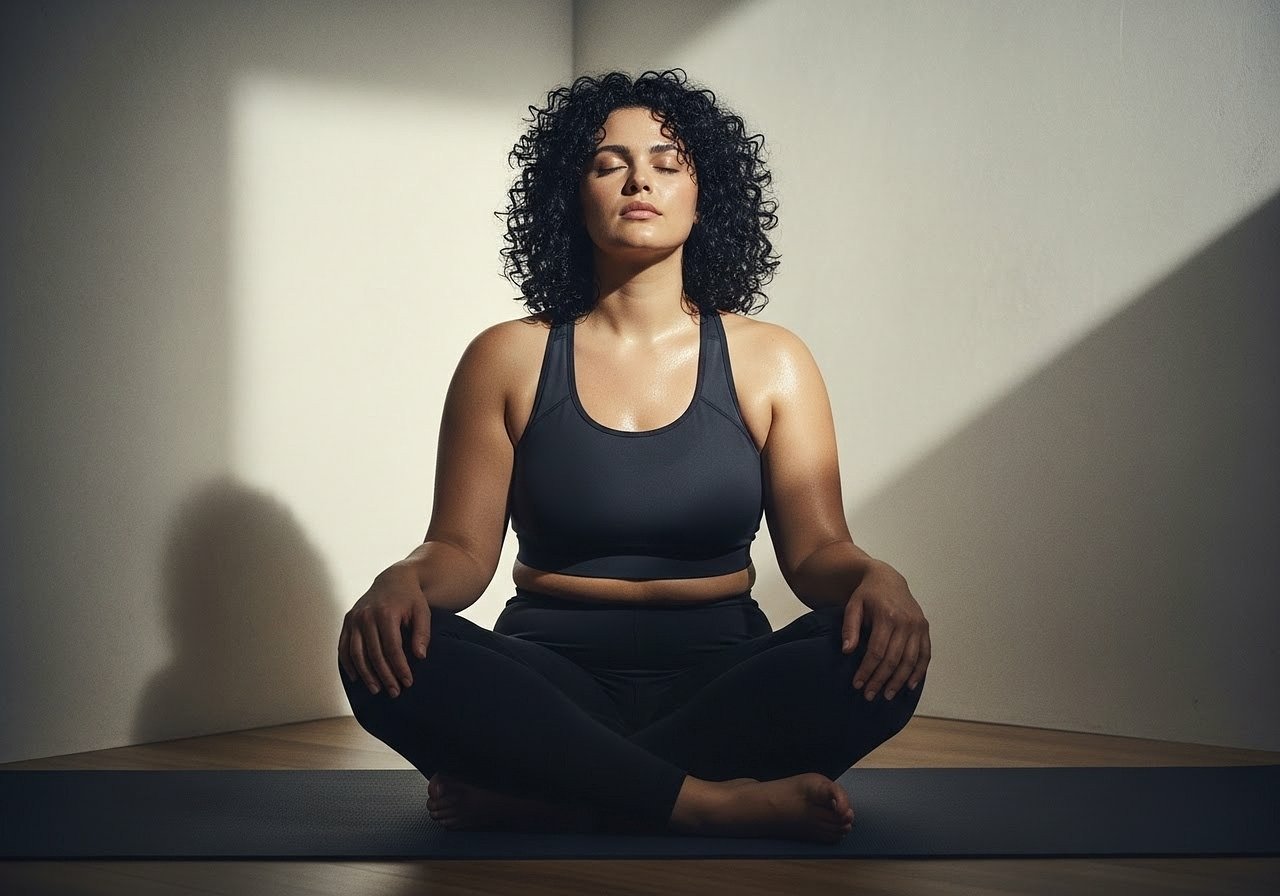

The Best Breathing Techniques in Yoga for Relaxation
Breathing is the most fundamental aspect of life, linking our body, mind, and spirit seamlessly. Through yoga, we can harness the power of our breath, utilizing techniques that significantly reduce stress. Four prominent breathing techniques should be noted for their effectiveness in promoting relaxation: Ujjayi breath, Nadi Shodhana, Brahmari, and Bhastrika. Ujjayi, or victorious breath, creates a soothing sound, often likened to an ocean wave, and encourages mindfulness in every inhale and exhale. The practice of Nadi Shodhana, or alternate nostril breathing, balances the energies within our body, fostering harmony between the right and left hemispheres of the brain. Brahmari, or bee breath, is a technique for releasing tension dynamically; it involves humming softly to quiet the mind. Lastly, Bhastrika, or bellows breath, invigorates and purifies the body through vigorous inhalations and exhalations. Each technique provides unique benefits, inviting practitioners to enhance their connection with breath while discovering the calming effects it has on stress. Explore these breath techniques regularly for the best stress relief.
One important reason why breath techniques are pivotal in stress management lies in the direct relationship between breath and the autonomic nervous system. When we are anxious or stressed, our breath often becomes shallow and rapid, initiating a fight-or-flight response. Employing specific breathing practices can help switch the body back to a state of calm. Ujjayi breath promotes relaxation by encouraging slow, deep inhalations, which signal the body to rest. As we slow our breathing, heart rate decreases, promoting an overall sensation of tranquility. By consciously practicing Nadi Shodhana, we cultivate both mental clarity and emotional stability; the method of alternating nostrils harmonizes our energies, leading to balanced thoughts. The vibrations produced by Brahmari breathing lull the nervous system, providing a comforting presence whenever tension arises. On a different note, Bhastrika serves as a powerful energizer, helping us dispel negative emotions and toxins. By integrating these techniques into our daily routine, we forge resilience against everyday stressors, enhancing our quality of life and fostering inner peace amid chaos.
Ujjayi Breathing Technique
Ujjayi breath remains a favorite among yoga practitioners for its simplicity and effectiveness in alleviating stress. To practice Ujjayi, find a comfortable seated position. Gently inhale through your nose, expanding your chest and abdomen while creating a soft sound in your throat. Exhale slowly, maintaining the same auditory sensation. This technique encourages awareness of your breathing patterns, allowing thoughts to drift away as the sound anchors your mind. Engaging Ujjayi breath during yoga classes can create a meditative experience, enhancing focus and deepening the practice. The rhythmic sound becomes an integral part of your asana practice, guiding each movement’s flow. Ujjayi also has physiological benefits: it helps regulate blood pressure while increasing lung capacity over time. Moreover, this technique connects body and mind, making practitioners aware of their physical and emotional states. By making Ujjayi breath a focal point in your daily routine, your ability to handle stress improves dramatically. Yoga teaches us that combining movement with conscious breath highlights the power of stillness and reflection, essential components for stress relief.
The practice of Nadi Shodhana, or alternate nostril breathing, ranks high for enhancing balance and finding mental clarity. To perform Nadi Shodhana, sit comfortably with your spine straight and shoulders relaxed, enabling efficient airflow through the nostrils. Begin by closing one nostril with your thumb, inhaling deeply through the open one. Perform a gentle switch, exhaling through the opposite nostril. This cycle emphasizes moving air alternatively between each side and creating a calming balance within the mind. Many people report increased focus and clarity, as this technique helps clear mental fog and anxiety. Regular practice can lead to a more successful day-to-day life, free from overwhelming stress. In addition, Nadi Shodhana harmonizes the left and right brain hemispheres, promoting better overall cognitive function. Engaging in this practice for just a few minutes each day can leave practitioners feeling refreshed and grounded. As a result, adding it to your routine can greatly enhance emotional resilience while enhancing awareness and connection to oneself, ultimately leading to superior stress management techniques.
Brahmari Breathing Technique
Brahmari, known as bee breath, is a delightful way to release accumulated stress. To practice this technique, sit comfortably with a relaxed posture. Inhale deeply through the nose, and as you exhale, produce a humming sound akin to that of a bee. This creates vibrations that resonate within the body and mind, resulting in immediate calming effects. Brahmari encourages a state of peaceful relaxation while simultaneously clearing the mind of distractions and negative thoughts. Regular practice acts as a natural remedy for anxiety and frustration. By focusing on the rhythmic buzzing sound, practitioners immerse themselves in present sensations, leaving concerns behind. Feedback from practitioners also indicates that Brahmari serves as an effective tool for easing headaches, enhancing concentration, and promoting restful sleep. Incorporating this technique into yoga sessions offers a refreshing way to transition between poses, reinforcing meditation elements. Through repetition, Brahmari cultivates a greater sense of emotional awareness, fostering positivity and contentment. Overall, utilizing this technique as part of a holistic approach to stress relief leads to a more balanced, fulfilled life.
Bhastrika, or bellows breath, provides a dynamic contrast to other gentle techniques. This energetic practice strengthens the respiratory system while providing an instant adrenaline boost; perfect for when stress needs to be dispelled. To perform Bhastrika, sit comfortably and take a deep breath, followed by rapid, powerful inhalations and exhalations through the nose. Each cycle involves quick, forceful breathwork, creating a sense of empowerment and rejuvenation. Bhastrika works to eliminate stagnant energy that can accumulate in moments of stress. It can help clear negative emotions, releasing pent-up tensions integrated into our day-to-day lives. The energizing effects can enhance the mood, improve concentration, and increase overall vitality, making it an ideal practice for busy individuals constantly on the go. As practitioners grow comfortable with Bhastrika, they can experiment with varying the speed and intensity of breath, customizing the experience to their comfort level. Regular inclusion of this compelling technique promotes flexibility, strength, and awareness all while combating daily stressors. Aim for integrating Bhastrika into your routine a few times a week to experience pronounced benefits through your relaxation practices.
Final Thoughts on Breathing Techniques
In closing, incorporating various breathing techniques into a stress management routine can yield profound benefits for overall well-being. Each method—Ujjayi, Nadi Shodhana, Brahmari, and Bhastrika—offers unique advantages, enabling practitioners to explore and refine their connection to breath. These techniques not only promote relaxation; they help enhance clarity and awareness of one’s emotional state. The beauty of these methods lies in their adaptability; anyone can practice, no matter their experience level. By fostering a commitment to these breathwork practices, individuals create opportunities for transformative self-discovery and resilience. Experimenting with these techniques allows you to understand your personal preferences and needs; it may lead to more effective stress relief solutions that resonate deeply. Remember that consistency is key; frequent engagement in yoga and breathing practices elevates their benefits while increasing emotional regulation capabilities. As you explore and connect through breath, fear and anxiety will gradually diminish, paving the way for greater inner peace and joy. Focus on loving yourself through these techniques as you embrace a journey of self-healing and personal growth through the power of relaxation.
Start integrating these breathing techniques into your daily routine and observe the remarkable changes they bring to your life. Whether you take five minutes to practice Ujjayi before bed or choose to employ Nadi Shodhana throughout your day, consistency is essential. Foster a deeper connection with your breath as you learn to recognize when your stress levels rise. Acknowledge your feelings and let what you experience guide your practice. Embrace Brahmari humming during moments of tension, or energize your day with Bhastrika as needed. The journey toward stress relief begins within yourself as you cultivate this awareness. A sense of balance will emerge as you continue this transformative work. Engaging regularly with these techniques unveils greater strength, resilience, and mental clarity. Empower yourself to live a calmer, more centered life through the union of body and breath. Your investment in your mental health will yield significant returns, cultivating a joyful mindset open to life’s possibilities. The techniques outlined provide practical tools to navigate stress while creating space for relaxation and self-care. You deserve this positive change, so embark on your journey today.