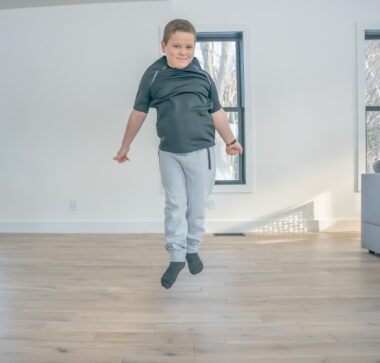

The Importance of Rest and Recovery in Youth Fitness
In today’s fast-paced world, kids and youth often juggle numerous activities, from sports to school, all demanding their energy and focus. As parents, it’s crucial to understand the vital role that rest and recovery play in their fitness journeys. Youth bodies are developing and require a proper balance of activity and downtime to thrive physically and mentally. Without adequate rest, young athletes can suffer from fatigue, mood swings, and even injuries. Just as training sessions strengthen muscles and improve endurance, recovery strategies like sleep and rest days are essential for boosting overall performance. Encouraging children to integrate rest allows them to recharge, both physically and emotionally, enhancing their athletic abilities. Also, understanding the signs of overtraining, such as excessive fatigue or irritability, helps parents advocate for healthier routines. This balance encourages long-lasting enthusiasm for fitness rather than burnout. Therefore, it’s important to establish a schedule that prioritizes not only rigorous training but also sufficient relaxation. Investing in a holistic approach focusing on recovery leads to more fulfilled and enthusiastic engagement in fitness activities. It can set them on a lifelong path of health and wellness.
Understanding Recovery Phases
Recovery consists of several phases, and recognizing them greatly assists in youth training routines. Typically, these phases are categorized into active recovery, rest, and sleep. Active recovery incorporates light exercises, promoting circulation, and encouraging muscle repair without exerting excessive strain. This could involve gentle stretching or walking, which aids in maintaining movement. Conversely, rest periods involve days where intense physical activity pauses completely, allowing the body to recover fully. This stage addresses the physiological need for healing, crucial for growing bodies, where muscles are still forming and gaining strength. Sleep, arguably the most essential phase, consolidates recovery processes and regenerates energy. During sleep, the body undergoes various restorative processes that repair tissues and strengthen the immune system. Every minute of quality sleep provides significant benefits. This is why advocating for proper sleep routines for children—aiming for eight to ten hours a night—is vital. Parents should foster environments that facilitate consistent sleep schedules. Emphasizing this holistic recovery approach enables kids to grow healthier and more resilient toward any physical challenges they encounter, ensuring fitness remains a joyous aspect of their lives.
Nutrition also plays a significant role in the recovery process for active youth. Proper nutrition, including vitamins, minerals, and essential nutrients, fuels recovery and maintenance in developing bodies. A balanced diet rich in fruits, vegetables, proteins, and healthy fats supports the regeneration of muscles and energy levels. Protein, in particular, is significant as it aids in muscle repair after intense workouts. Parents should encourage nutritious snacks post-exercise, focusing on those that replenish energy stores. Sources such as yogurt, nuts, and lean meats are ideal. In addition, proper hydration cannot be overlooked—inadequate fluid intake can impair recovery and exacerbate fatigue. Encouraging children to drink water throughout the day ensures they remain adequately hydrated. Moreover, parents can teach kids about the importance of timing meals to coincide with activity and recovery periods. Implementing a nutrition plan tailored to their physical activity levels can frame healthy eating habits they’ll carry into adulthood. This focus on nutrition complements active recovery practices, making it an integral part of a balanced fitness routine that nurtures a love for active lifestyles, helping kids thrive.
The Role of Mental Recovery
While physical recovery is paramount, mental recovery also plays an immense role in overall performance. Young athletes often face pressures both at school and in sports, which can lead to burnout if not managed wisely. Incorporating mindfulness practices such as yoga or meditation into their routines promotes mental clarity and reduces stress. These activities allow children to reconnect with themselves and their fitness goals. Parents can facilitate this by engaging children in practices that enhance emotional well-being, which significantly supports overall recovery. Additionally, encouraging children to express their feelings about their activities or pressures can foster open communication and allow for emotional release. Recognizing signs of mental fatigue is key; encouraging kids to take mental breaks from sports or studies can recharge their minds. This teaches them how to prioritize their mental health in sports, instilling lifelong lessons about wellness. Innovative methods may include journaling about their experiences in sports and school, creating an outlet for expressing thoughts. Mental recovery and physical recovery work synergistically, helping kids perform their best while maintaining a healthy, balanced lifestyle.
Open communication between parents and children can foster a supportive environment promoting both rest and recovery. Establishing routines around fitness that incorporate discussions about their physical and emotional states allows for better understanding. This encourages children to express their needs freely, whether they feel fatigued, stressed, or simply require a day of rest. It’s essential to acknowledge that youth fitness should be fun rather than a pressure-filled obligation. Scheduling time for recreational activities they genuinely enjoy can help maintain enthusiasm. Parents can also model self-care practices, demonstrating the importance of listening to one’s body’s needs. For instance, after a busy week, planning family time engaging in low-energy activities, such as hiking or playing leisure sports, builds bonding while allowing for downtime. Providing an open forum where children feel heard about their fitness journeys fosters trust. Encouraging resilience during challenges while allowing for breaks creates a strong foundation for their fitness motivations. Thus, fostering an environment that values recovery ensures kids grow into balanced individuals who prioritize their well-being while engaging passionately in athletic pursuits.
Promoting Healthy Routines
Promoting healthy routines is critical in ensuring youth understand the value of rest and recovery. Parents can instill productive habits by setting a good example in physical and mental wellness. Establishing a regular sleep schedule, planning nutritious meals, and integrating light recreational activities into their week can make a significant difference. Engaging in family workouts or active outings can also make exercise more enjoyable, showing kids that physical activity blends well with fun and relaxation. Furthermore, implementing regular rest days within their schedules can help teach children how to balance work and play effectively. By setting aside dedicated downtime, they learn valuable lessons about the importance of recharging their bodies after intense periods of activity. This helps to alleviate potential stressors faced during competition or training. Involving children in their fitness regimes and recovery strategies allows them to develop a personal sense of responsibility. Parents can craft an accountability system where youth advocate for their rest needs, empowering them to take ownership of their fitness journeys. Ultimately, this can lead to healthier choices and enthusiasm for lifelong fitness engagement.
Being attentive to external pressures is vital in understanding a child’s fitness outlook, especially regarding rest. Various factors, such as overly strict coaches, competitive environments, or unrealistic expectations from parents, can impact children’s views on recovery. It’s crucial to emphasize that fitness is not solely about performance; it’s about self-exploration and enjoyment. Parents should advocate for healthy attitudes, reinforcing that they perceive rest as an essential and normal aspect of fitness. Awareness of these external influences allows adults to support their kids actively. Encourage them to pursue activities they genuinely enjoy rather than solely those expected of them. This approach fosters positive associations with fitness and encourages children to develop healthier relationships with exercise. A focus on wellness instead of pure performance leads to happier, balanced athletes. Celebrating personal achievements and improvements—regardless of outward success—helps kids remain motivated without feeling pressured. Education regarding the importance of mental and physical recovery should be ongoing, aimed at equipping children with the tools to make healthy, lifelong choices. This encourages resilience, equipping them to handle both fitness journeys and challenges outside the sports realm.
Concluding, it’s clear that the importance of rest and recovery in youth fitness cannot be overstated. Balanced routines integrating proper recovery phases alongside nutritious diets and mental wellness ensure a holistic approach to fitness. By emphasizing the significance of breaks and leisurely activities, parents empower children to cultivate healthy habits. This balance is essential in developing resilient, enthusiastic individuals—not merely athletes. Building awareness about rest and recovery allows children to understand that fitness is not solely about competition but also personal growth and enjoyment. Active communication facilitates a nurturing environment, letting youth voice their needs and preferences regarding physical activity. Through supportive practices embedded within the family dynamic, individuals cultivate lifelong resilience and a positive relationship with fitness. As fitness evolves into a lifestyle, instilling the value of rest fosters curiosity around their health. It builds a sense of agency over their choices—biotic explorations of movement and play full of discoveries. Parents play a unique role in shaping these journeys, ensuring kids can engage thoughtfully, leading to responsible adult health decisions. Thus, the cornerstone of youth fitness transcends mere exercise, encompassing rest as an essential element for thriving, overall health.