
Mindful Movement: Week 15 Yoga to Supplement Athletic Training
In the realm of athletic training, yoga offers profound benefits, enhancing flexibility and mental focus. This week’s yoga plan emphasizes mindful movements tailored specifically for athletes. These routines integrate breath control, which is crucial for performance in any sport. Practicing yoga improves your range of motion, often leading to better physical performance in your chosen discipline. The key poses will challenge obstacles faced during training, focusing on breathing techniques combined with strengthening asanas. Incorporating yoga into your routine not only aids in recovery but also reduces the risk of injury. Athletes can experience muscle tension relief and improved balance through consistent practice. Finding the right yoga poses that align with your athletic goals is essential. Additionally, maintaining a connection to your breath during yoga enhances concentration and reduces anxiety before competing. Weekly yoga sessions should be curated to target specific muscle groups based on your sport’s demands. Ultimately, this week’s yoga practice is designed to equip athletes with tools for injury prevention and performance enhancement. Remember to listen to your body, modifying poses as necessary to find what works for you.
Benefits of Yoga for Athletes
Yoga presents athletes with numerous physical and mental benefits. One primary advantage is increased flexibility, which is beneficial for all sports. The practice encourages greater range of motion, allowing athletes to perform better and with less risk of injury. Another critical benefit is improved balance. Many yoga poses require stability and core engagement, which translates into enhanced performance during physical activities. By regularly practicing yoga, athletes learn to control their bodies better, providing them with a knack for sports requiring agility and quick reactions. Mental clarity is another significant aspect, as yoga promotes mindfulness and focus. Athletes often face mental barriers due to stress and performance pressure. Incorporating mindfulness techniques can significantly enhance mental resilience. Furthermore, deep breathing practices reduce anxiety levels, equipping athletes with tools to handle competitive stress more effectively. Recovery becomes easier too; gentler poses can expedite muscle recovery post-training, hindering soreness that follows intense workouts. In essence, the integration of yoga into training regimens fosters a holistic approach to athletic development. When properly executed, these practices can lead to remarkable improvements in overall athletic performance.
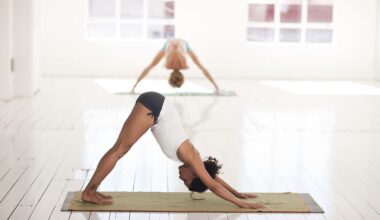
A recommended approach is to structure your yoga sessions specifically for athletic needs. Begin with a dynamic warm-up, engaging major muscle groups while promoting blood flow. This initial phase sets the scene for more intense stretches. Post-warm-up, delve into foundational poses such as Downward Dog and Warrior II, which enhance strength and flexibility necessary for various sports. Follow these with balance poses like Tree Pose or Eagle Pose, which bolster core stability and improve proprioception. For recovery, consider implementing restorative postures such as Child’s Pose or Legs Up The Wall. These poses help alleviate fatigue accumulated from rigorous training. Furthermore, adopting a cool-down and relaxation period with breathing exercises or meditation fosters mental recovery. It’s essential to cultivate a calming environment during your practice, allowing full immersion. Consider using essential oils or dimming the lights to enhance relaxation. Make it a priority to devote at least 30 minutes a day to your yoga practice. Regular commitment not only leads to improved flexibility but fosters a greater connection between the mind and body. Embedding yoga into your weekly schedule can create transformative habits that benefit your athletic journey.
Creating a Yoga Schedule
Building a yoga schedule is fundamental for integrating these practices into your training routine effectively. Start by assessing your current workout plan and identifying periods when your energy levels might allow for yoga sessions. Morning sessions can be refreshing, kickstarting your day focused and energized. If mornings are hectic, consider lunchtime or evening sessions, providing an excellent opportunity to unwind. Aim for consistency; designating specific days for yoga practice creates a routine that fosters discipline. As you make this a habit, it becomes easier to reap the full benefits of yoga over time. Plan for various session lengths; shorter sessions focusing on specific areas of flexibility might work best on busy days. Alternatively, dedicate more extended sessions when time allows, allowing for a deeper exploration of poses. Don’t hesitate to mix restorative and energetic practices throughout your week, maintaining a balance between the two. Additionally, it can be helpful to document your experiences and progress, noting any improvements in flexibility and mental well-being. Such reflection can motivate you to continue on your yoga journey.
To maximize your yoga practice, consider pairing it with other workouts to achieve a more comprehensive training experience. For example, after a weightlifting session, follow up with targeted yoga stretches to relieve tension in muscle groups used during lifting. Alternatively, if you run or cycle, integrating yoga can break up your routine, preventing the plateau that often leads to boredom. Focus on incorporating enough variety to keep your physical training engaging. You might even create cross-training schedules to alternate between intense cardio and soothing yoga sessions. Yoga can become a recovery tool, allowing you to preserve vitality while maintaining athletic prowess. Check in with a yoga instructor if possible to refine your practice and ensure alignment in poses is correct. Community classes can introduce you to new techniques or challenges. Discover various yoga styles like Vinyasa or Hatha that might complement your current training plan. Lastly, use yoga apps or online platforms for guided sessions that can be easily accessed anytime. Always remember that the most effective workout plans include both physical and mental conditioning for the mind-body connection.
Mindfulness and Meditation
Mindfulness and meditation play critical roles during yoga practice, fostering a deeper understanding between the body and mind. These components are essential for improving concentration and relieving stress. When athletes can focus their thoughts and intentions, it leads to enhanced performance across various disciplines. Invite mindfulness into your practice by focusing on your breath and tuning into your body as you transition through yoga poses. This focus can steer your mind away from distractions, which is particularly beneficial before competitions or events. The integration of a meditation component serves to calm pre-competition nerves. Allocate a few minutes at the end of your sessions to meditate on your goals and visualize success. This allows you to mentally prepare for challenges in your athletic performance. Also, mindfulness yoga promotes a sense of gratitude towards your body, fostering a positive attitude that can enhance motivation. Setting intentions before each practice helps guide your focus, sharpening your mental strategies. Embrace the journey of mindful movement, discovering how this profound connection to your physical self can transform both your athletic training and overall well-being.
Finally, consistency is key to achieving long-term benefits from yoga for athletes. Encourage yourself to practice regularly while being patient with your progress. Nap around the idea of commitment; set realistic goals concerning your flexibility and strength improvements. Variability in yoga sessions is essential—occasionally push your boundaries to discover new limits while respecting your body. Once you establish a routine, measure your growth, and adjust your practice accordingly to maintain interest and motivation. Share your experiences with fellow athletes, discovering additional tips and encouraging each other. Building a supportive community around your yoga practice generates accountability and shared learning experiences. This week’s yoga plan provides a purposeful exploration for athletes wishing to enhance their overall training. By weaving yoga into your athletic journey, you not only find balance but also experience enhanced performance in your sport. Welcome these mindful movements into your life enthusiastically, and create a nourished body-mind connection. Your journey into yoga will undoubtedly elevate your athletic prowess, enrich your training sessions, and cultivate a healthier mindset overall.
Yoga is an invaluable tool for athletes, complementing their physical training with mental clarity and flexibility. Introducing yoga to your regimen will result in improved muscle recovery, reduced injury rates, and enhanced athletic performance overall. In this journey of integrating yoga into your active lifestyle, remember that patience and consistency are essential. Observing your physical and mental progress over time can strengthen your commitment to this practice. Embrace the various dimensions that yoga offers and adapt them to fit seamlessly into your training schedule. Enter this space of mindful movement excitedly, fully engaging with both the journey and the present moment. Yoga aligns the mind and body, equipping each athlete for the challenges ahead with positivity and resilience. In conclusion, as you embark on week 15 of your workout journey, let yoga be a cornerstone in your training. Enjoy the blend of movement and stillness, using this complementary practice to enhance performance in your favorite sports while fostering overall well-being. Together, through consistent practice, you’ll find yourself evolving as both an athlete and an individual.