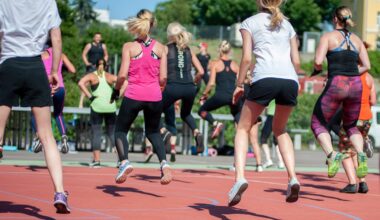

The Role of VO2 Max in Endurance Running
Understanding the role of VO2 max is essential for marathon runners aiming to improve performance. The term VO2 max represents the maximum amount of oxygen the body can utilize during intense exercise. This measurement indicates a runner’s aerobic capacity and, consequently, their endurance potential. Marathon preparation demands high levels of endurance, as runners cover long distances within a specified time frame. Therefore, knowing your current VO2 max is vital in tailoring training programs to enhance aerobic performance. Training to increase VO2 max generally involves incorporating high-intensity workouts into your regimen, pushing your body to adapt over time. Consistency in this approach will yield significant improvements in both speed and endurance. Furthermore, VO2 max can also be influenced by various factors, including age, genetics, and training background. It’s important for athletes to monitor their progress through regular testing and assessments to see real-time improvements. Utilizing heart rate monitors and performance metrics can also assist runners in determining the intensity of their workouts, ensuring they are training effectively. This can be particularly advantageous for marathon runners targeting specific duration either in races or training scenarios, ensuring readiness for competition.
Training Strategies to Increase VO2 Max
To successfully raise VO2 max levels, runners should adopt specific training strategies designed for endurance development. First and foremost, interval training is one highly effective method. This can include short bursts of intense running followed by periods of lower intensity or rest. Such workouts help push the body’s limits, stimulating cardiovascular improvements. Additionally, tempo runs are beneficial, promoting sustained efforts at challenging yet manageable paces. These runs often occur at or near an athlete’s lactate threshold, maximally taxing the aerobic system. Long runs should also be a cornerstone of any marathon training plan, providing a solid endurance base. Hill workouts are another excellent option; they increase strength, power and efficiency, crucial traits for racing at higher intensities. Gradually incorporating these workouts into your training schedule can lead to noticeable changes in oxygen uptake capabilities. Moreover, understanding when to emphasize intensity versus volume will contribute to long-term growth in running stamina. Finally, consistent evaluations of one’s VO2 max via running tests can help in fine-tuning these training strategies for maximum effectiveness and achieving marathon goals.
Nutrition also plays a pivotal role in supporting VO2 max optimization. Runners need to fuel their bodies with the right nutrients to promote recovery and sustain energy levels. Carbohydrates serve as the primary fuel source during intense training sessions. Adequate carbohydrate intake before and after workouts enhances glycogen stores and supports recovery. Proteins are crucial as well, stabilizing muscle tissue and aiding in repair after strenuous efforts. Balanced nutrition should prioritize whole foods, combining fruits, vegetables, lean proteins, and healthy fats. Hydration cannot be overlooked; maintaining proper fluid levels is vital for peak performance and aerobic efficiency. Electrolyte supplementation can also be beneficial during longer training sessions or races, preventing fatigue and cramping. Additionally, micronutrients like iron and calcium support the body’s functioning, ultimately affecting oxygen transport and energetic processes during exercise. Monitoring dietary habits will ensure that runners meet their nutrient requirements and avoid potential deficiencies that can hinder performance. A well-structured nutrition plan aligned with endurance goals can significantly enhance training outcomes and overall VO2 max, granting marathon runners a competitive edge.
Recovery and Its Importance
Post-training recovery is an often underestimated yet crucial element for improving VO2 max. The physiological adaptations that occur due to endurance training take place during rest. Therefore, integrating rest days into a training regimen is fundamental to facilitate muscle recovery and adaptation. Insufficient recovery can lead to burnout, decreased performance, and increased injury risk. Active recovery strategies can include low-intensity activities, such as walking or swimming, promoting blood circulation without overstraining the body. Additionally, stretching and flexibility work aids muscle recovery by preventing tightness. Implementing proper sleep hygiene should also be a priority. Sleep allows the body to repair tissues, consolidate energy, and replenish glycogen stores, all vital for improving endurance capabilities. Moreover, strategies like foam rolling and massages can be employed to relieve muscle tension, further optimizing recovery processes. Staying mindful of injury prevention through cross-training can also reduce downtime, maintaining fitness levels while emphasizing recovery. Athletes must listen to their bodies and adjust training intensity accordingly to ensure they maximize VO2 max improvements over time.
It is important to note that psychological factors can impact an athlete’s ability to improve VO2 max. Mental resilience, focus, and motivation are integral, especially during challenging workouts. Positive mindset practices can play a significant role in pushing through physical limits while training. Visualization techniques can also enhance performance, allowing runners to mentally rehearse successful race scenarios. Stress management strategies such as mindfulness and relaxation can contribute to overall wellness and improved training outcomes. Cultivating a supportive environment, including family, friends, or training groups, can foster a sense of accountability and encouragement. The decision to engage in group runs or join clubs can enhance motivation to train consistently. Social interactions within these settings can elevate enjoyment, translating to better performance. Lastly, goal setting provides direction and helps maintain training focus, facilitating VO2 max improvements. Specific, measurable, achievable, relevant, and time-bound (SMART) goals are effective for marathons and should vary from short-term to long-term targets. Integrating psychological components is crucial in the overall success of boosting VO2 max and achieving endurance running objectives.
The Impact of Genetics on VO2 Max
Another significant factor to consider in VO2 max development is genetics. While training and lifestyle choices can greatly influence one’s maximum oxygen uptake, genetic predispositions can also play a role in establishing baseline levels. Research suggests that heritability can account for variations in VO2 max among individuals. This could mean that two runners training under the same conditions may achieve different results due to their genetic makeup. However, despite these variations, virtually everyone can improve their VO2 max through consistent training. This capability is crucial for marathon runners who must adapt their training accordingly. Understanding personal limitations and strengths is essential to maximize the effectiveness of training regimens. Consequently, rather than comparing oneself to others, focusing on individual progress can lead to more substantial improvements in endurance running. Athletes can work with coaches to identify their training response patterns, optimizing workouts based on how the body adapits to various intensities and volumes. While genetics will inherently play a part, it should not hinder anyone’s desire to enhance their VO2 max or overall performance in specific distances.
In conclusion, effectively improving VO2 max is essential for marathon runners seeking to elevate their endurance capabilities. By implementing targeted training strategies such as interval workouts, tempo runs, and long runs, athletes can stimulate their cardiovascular systems. Coupled with proper nutrition, recovery, and psychological strategies, they can achieve significant performances. Runners must monitor their training responses, tailoring regimens according to individual needs and progress. Genetic factors may influence VO2 max levels, but dedicated training unlocks potential in everyone. Understanding that improvement requires both physical effort and mental fortitude is critical to achieving long-term goals. Participating in a supportive running community can enhance motivation while fostering accountability in training endeavors. Utilizing technology and performance metrics can steer adaptation and optimization, leading to progressive improvements over time. As athletes approach major events like marathons, maintaining a holistic view encompassing all factors contributing to endurance is essential. Monitoring, evaluating, and integrating methodologies will provide runners the competitive edge needed to succeed in their endurance journeys. Ultimately, the pursuit of improved VO2 max is a multifaceted journey that reflects the dedication and commitment marathons require.
With the right mindset and persistent effort, achieving higher VO2 max levels for enhanced endurance is possible. This journey not only cultivates physical results but also inspires personal growth and achievement in sports.