
Innovations in Sports Massage Tools and Equipment
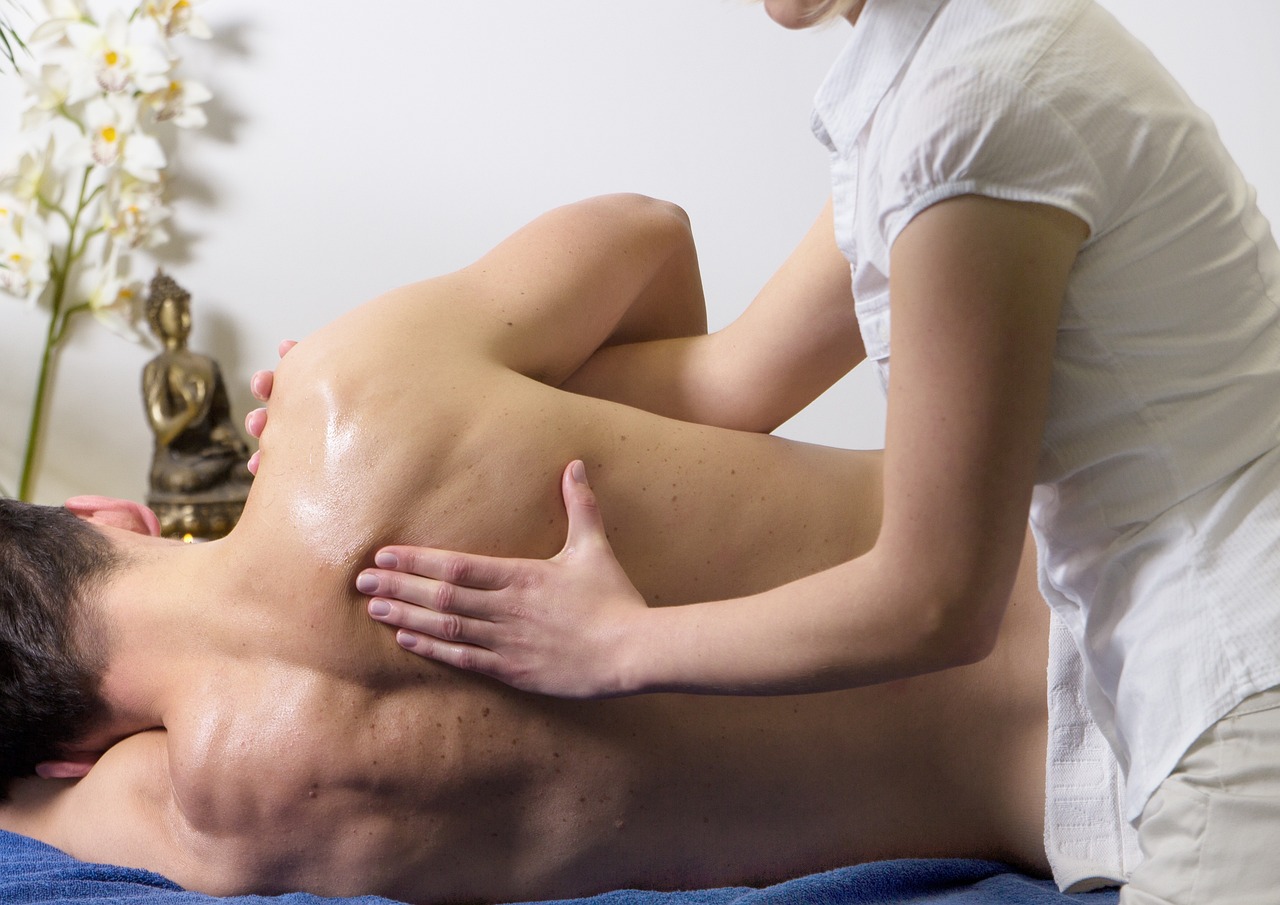
Sports massage therapy has evolved significantly, utilizing various innovative tools and equipment to enhance performance and recovery. The first wave of innovation included the introduction of massage guns, which have gained immense popularity among athletes. These handheld devices deliver rapid bursts of pressure and vibration to muscle tissues, facilitating faster recovery and relieving soreness. Athletes can conveniently target specific areas, making massage guns an essential tool for both pre- and post-workout routines. Similarly, foam rollers have become crucial in self-myofascial release, allowing athletes to roll out knots and tight areas to reduce tension. The innovation of vibration foam rollers adds another layer, promoting increased blood flow and muscle relaxation. Additionally, electronic muscle stimulators enable sports therapists to assist in rehabilitation by effectively stimulating muscle contractions. These tools not only improve recovery times but also enhance overall athletic performance. Combining traditional massage techniques with these modern innovations is paramount to maximizing benefits. As technology continues to advance, the integration of new tools into sports massage therapy will undoubtedly reshape the landscape, providing therapists with effective options to promote healing and enhance athletic capabilities. Staying informed about these innovations is essential for both therapists and athletes.
Another notable advancement in sports massage therapy is the development of specialized massage chairs designed for athletes. These chairs are engineered with features that target key muscle groups, providing both relaxation and relief during treatment. Advanced technology such as heated elements, adjustable intensity levels, and ergonomic designs are incorporated into these chairs, offering a tailored experience for users. Athletes can benefit from features like zero-gravity reclining positions and acupressure nodes that replicate professional massage techniques. Furthermore, portable massage tables have become essential for therapists who need to travel for events or provide on-site treatments. These tables are lightweight, easy to transport, and adjustable for height, allowing therapists to work comfortably in various settings. Another innovative approach is the use of essential oil diffusers integrated into massage stations. This creates a calming environment and enhances the therapy’s overall benefits through aromatherapy. Additionally, the adoption of app-based programs allows athletes to track their progress and customize their massage schedules based on individual needs. These innovations are pivotal in the continuous development of sports massage therapy, ensuring that both athletes and therapists have access to the best tools for optimal results.
An important trend in sports massage therapy innovations is the emphasis on personalized and data-driven treatments. By utilizing technology such as wearable devices, therapists can gather valuable data on an athlete’s performance and recovery metrics. This information enables them to customize massage treatments based on the athlete’s specific needs and conditions. Advanced analytics software allows therapists to visualize metrics like muscle fatigue levels, which helps in creating an optimal massage plan. Moreover, the integration of virtual reality (VR) technology is revolutionizing the way therapists prepare for treatments. VR simulations can provide training scenarios that help therapists enhance their skills and effectiveness in specific massage techniques. Another exciting development is the advent of smart massage devices that can analyze muscle tension through biofeedback. These devices can guide users through their self-massage sessions, ensuring they target areas that require more attention. As understanding of biomechanics and anatomy deepens, the tools used in sports massage continue to evolve. These innovations empower therapists to deliver personalized therapy that adapts to athletes’ changing requirements, ensuring individuals receive the utmost care and attention for their well-being, health, and performance.
Impact of Technology on Sports Massage Therapy
In the realm of sports massage therapy, the impact of technology is undeniably transformative. Technology-driven tools and equipment offer athletes enhanced techniques for managing stress and physical exertion. For instance, the advent of virtual consultations has made professional insights easily accessible. Athletes can receive expert guidance regardless of their location, which is particularly beneficial for those in remote areas. As online platforms grow, therapists can showcase their techniques and share expertise, expanding their reach. Likewise, research into sports injuries and recovery mechanisms is constantly advancing, influencing the tools used in massage therapy. With an influx of new findings, tools are being designed to address specific concerns more effectively. For example, the use of responsive massage tools that adjust pressure based on real-time feedback can provide more effective treatment options. Additionally, innovations like temperature therapy—using heating pads or cooling gels—have been developed to enhance muscle recovery and reduce inflammation. This combination of technology and therapy ensures that athletes have access to methodologies that promote healing and performance enhancements. Consequently, integrating technology into sports massage therapy is essential for maximizing the health and efficacy of treatments for athletes.
The evolution of materials and technology used in sports massage therapy equipment is also critical. Recent developments in the quality of massage oils, creams, and gels have improved overall experiences during treatments. Many of these products are now formulated with natural ingredients that offer additional benefits, such as anti-inflammatory properties and enhanced absorption into the skin. Moreover, the introduction of hypoallergenic and eco-friendly products addresses your environmental concerns, catering to athletes who are conscious of their health and the planet. Innovative materials in massage tools, such as silicone and high-density foam, provide optimal firmness for users while remaining comfortable. Tools made with ergonomic designs are becoming more prevalent, reducing strain on both the therapist and recipient. Furthermore, electric massage devices are becoming smarter, supporting customizable settings. With features like timers, heat settings, and vibration adjustments, athletes can tailor their experience for maximum relaxation and recovery. As manufacturers continuously seek better solutions, the focus remains on developing tools that provide effective treatments. This diligent pursuit of quality aligns with the goal of enhancing both the therapeutic experience and athletic performance, ensuring athletes remain in peak condition and can recover effectively.
Holistic approaches in sports massage therapy are gaining traction, emphasizing the connection between physical and mental well-being. Many therapists integrate mindfulness techniques and breathing exercises into their sessions, enhancing the therapeutic experience. This approach not only aids in relaxation but also promotes greater awareness of bodily sensations, enabling athletes to connect with their physical state. Additionally, workshops and training programs focusing on mind-body techniques are increasingly popular among sports therapists, equipping them with the skills to offer comprehensive treatment. The combination of traditional massage techniques with these holistic methods enhances the efficacy of treatments, ultimately improving athletes’ overall well-being. Furthermore, biofeedback technology is being utilized to help athletes understand their body’s responses during and after massage sessions. This technology allows individuals to monitor their physiological states, such as heart rates and muscle tension. By becoming aware of these responses, athletes can better understand the relationship between stress levels and their physical condition. Therefore, it is crucial to recognize the significance of a well-rounded approach in sports massage therapy. As therapists adopt holistic strategies alongside advanced tools, they pave the way for more effective recovery methods and improved athletic performance.
The Future of Sports Massage Therapy
Looking ahead, the future of sports massage therapy holds great promise with continuous innovations. The incorporation of advanced imaging techniques can pave the way for more personalized treatment plans. High-resolution imaging can help therapists visualize muscle structures, detraction points, and injury areas in real-time. This capability allows for a more scientific approach to assessments and treatments. Furthermore, as wearable technology becomes increasingly sophisticated, monitoring athletes’ physical and mental states will provide therapists with the necessary data to enhance treatment plans. Moreover, virtual reality therapy could see expanded utilization. Immersive environments can be created to help athletes engage and recover mentally, addressing both physical and psychological aspects of sports therapy. The trend toward sustainability within the industry is also likely to gain traction. As athletes and consumers demand eco-friendly options, equipment made from sustainable materials will become more prevalent. Finally, fostering partnerships between researchers and therapists can lead to groundbreaking findings in sports medicine, further refining the tools and techniques used in sports massage therapy. By embracing the changes ahead and integrating innovative approaches, the profession will continually evolve, ensuring enhanced performance and recovery for athletes across various sports.
In addition to technological advancements, community aspects will shape the future of sports massage therapy. As awareness continues to grow about the benefits of massage, more athletes are likely to seek out professional services. This demand may lead to the growth of education programs and certification courses, ensuring that therapists possess the knowledge and skills required to stay at the forefront of the industry. Collaboration among therapists, trainers, and coaches is also expected to increase. By working together, they can create comprehensive training programs that emphasize the importance of recovery and injury prevention. As sports massage therapy gains recognition as essential in athletic training, the holistic approach will continue to be emphasized. Community support and local events promote awareness, allowing athletes to learn how to complement their training regimens. Moreover, the development of online platforms will facilitate networking opportunities for therapists. This broader connection allows for knowledge-sharing and the exchange of techniques, ultimately elevating the level of care provided. To summarize, community relationships will prove vital in shaping the future landscape of sports massage therapy, ensuring that athletes have access to skilled professionals who prioritize their well-being and peak performance.