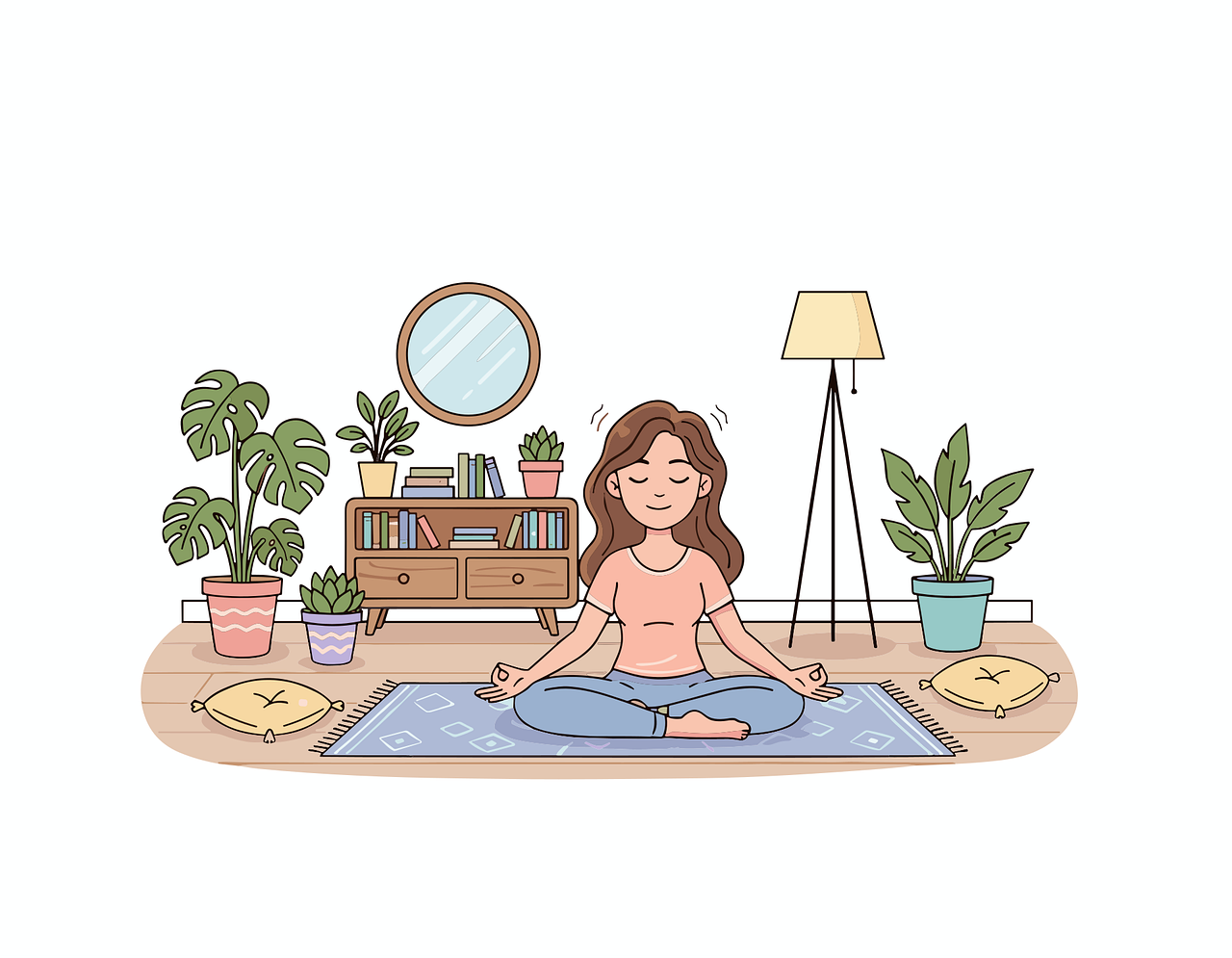

Meditation and Its Benefits for Teens
Meditation is a powerful practice that can greatly benefit teenagers, especially after a workout. Engaging in meditation helps calm the mind, focus thoughts, and develop emotional awareness. Post-workout, teens face both physical relaxation and mental stimulation. By practicing meditation, they can harness these elements to enhance their overall well-being. Start by finding a quiet space where they feel comfortable. Encourage them to sit or lie down in a relaxing position while forming a loose connection with their breath. This technique lays a solid foundation for mindfulness, allowing them to identify and clear distracting thoughts. Meditation can also improve concentration and reduce stress levels, which are essential for academic performance. As they immerse themselves in meditation, teen athletes can better manage pressure related to sports and schoolwork. They may choose guided sessions or free meditation to suit personal preferences. Incorporating visualization techniques can further deepen their experience. As their practice deepens, they will notice benefits such as improved sleep quality and an overall sense of joy. Encourage teens to explore different styles until they find what resonates best with them and supports their post-workout recovery.
Breathing Exercises for Recovery
Breathing exercises are an essential aspect of post-workout recovery for teenagers. These techniques help restore lung function and promote relaxation after a physical workout. Deep breathing exercises reduce physical stress while calming the mind. To start, have them sit comfortably, inhaling through the nose and exhaling through the mouth. This basic technique can be enhanced with a focus on extending the breath duration. Encourage them to count their breaths, aiming for longer exhalations, typically twice as long as the inhalation. This practice influences the nervous system, shifting from stress to a relaxed state. Incorporating visualization can aid in the effectiveness of these exercises; they can imagine their breath as a soothing wave, washing away fatigue. Additionally, using rhythmic patterns may enhance engagement, making the experience more effective. Breathing exercises can be practiced anywhere, making them a convenient recovery tool post-game or workout. Advocate for consistent practice, as this can lead to habit formation over time. They can also explore various styles, such as diaphragmatic breathing or box breathing. With commitment, breathing exercises yield significant improvements in stress management and post-workout recovery efficiency.
Combining Meditation with Breathing Techniques
Combining meditation with breathing exercises can create a holistic recovery experience for teens post-workout. This synergy helps in achieving a deeper state of relaxation and mindfulness. To start the combination practice, they should find a comfortable position and focus on their breath as a foundational element of meditation. Begin with slow, deep breaths, allowing their awareness to settle on the rhythmic flow of inhalation and exhalation. After a few minutes of focused breathing, they can transition into their meditation by picturing a calming landscape. This image will ease their mind while the breath continues to follow a steady pattern. This integration fosters a stronger connection between body and mind, enhancing emotional stability and mental clarity. Each session should last about ten to fifteen minutes, providing ample opportunity for deep relaxation. Over time, practicing this combination can lead to improved self-esteem and confidence. It can also empower teens to tackle daily challenges with a centered mindset. This effective strategy not only enhances recovery but develops lifelong skills that serve them beyond their teen years, including school and social life.
A guided session can also be an excellent way to introduce teens to meditation and breathing exercises. Integrating technology improves engagement and accessibility. Many apps are specifically designed for teens, offering guided workouts, relaxation techniques, and mindfulness strategies. These tools can aid in teaching essential practices without overwhelming them. Select applications that focus on age-appropriate content, adhering to their interests and lifestyles. Beginning with short sessions of around five minutes can ease them into the practice. Gradually increase the duration as they become more comfortable with the techniques. Ensure they feel confident in choosing sessions that suit their moods, whether seeking energetic focus or calm relaxation. Offering support by practicing together can foster a common community experience. Sharing feedback and experiences after each session can deepen bonds among peers while ensuring accountability. Encourage them to explore various themes such as stress relief, focus enhancement, or sleep improvement. Personalized experiences promote greater investment in their mental health journey. As they navigate their way through life, these practices serve as self-care tools that enhance resilience and adaptability amid daily challenges.
Creating a Post-Workout Routine
Establishing a post-workout routine is crucial for teens seeking to integrate meditation and breathing exercises in their lives. Having a designated time and space allows for consistency and encourages them to make their practice a regular habit. For optimal results, schedule sessions within an hour after workouts when relaxation can significantly improve recovery. Designate an area at home that feels safe and free from distractions, with calming elements such as low light, plants, or soothing music. Within this routine, include hydration and light stretching, creating a holistic approach to post-workout recovery. Teens should jot down their feelings and experiences after each session, tracking their progress and emotions. This activity helps foster mindfulness while nurturing a sense of accomplishment. Emphasize the importance of patience; growth may take time, but consistency guarantees improvement. Additionally, motivate them to adapt their routines as interests develop, whether incorporating different forms of meditation or exploring various breathing techniques. This adaptability supports their personal growth and enhances enjoyment during practice. A solid post-workout routine cultivates resilience, enabling teenagers to withstand the challenges that come their way, both in physical activities and life overall.
Encourage teenagers to share their meditation and breathing experiences with peers for a strong support network. Peer influence significantly impacts engagement and adherence to healthy practices. Working together to cultivate a sense of accountability helps solidify their commitment to these routines. Teenagers benefit from shared feelings of experience, creating a space for open conversations about mental health and well-being. Hosting group meditation sessions allows them to learn from each other and experience diverse styles. Consider involving each peer in leading their own session, cultivating leadership skills and boosting confidence. Additionally, they can share their favorite techniques or apps, enhancing collective understanding. Hosting sessions online or in-person can foster communal bonding as a means to support each other’s journeys. These shared experiences promote improved emotional literacy, encouraging them to recognize and articulate feelings effectively. As teens learn to connect more authentically with their emotions, they develop a more profound understanding of themselves and their peers. Seek support from schools or community organizations to facilitate practice spaces. By establishing strong bonds and fostering inclusivity, they contribute to creating a generation more attuned to mental wellness.
Final Thoughts on Mental Health for Teens
In conclusion, meditation and breathing exercises offer invaluable resources for teens post-workout. With numerous benefits like enhanced focus, reduced stress, and emotional regulation, they can significantly improve overall mental well-being. Encouraging consistent practice paves the way for developing healthy habits that last a lifetime. As they embark on their mental health journey, it is vital to foster a sense of patience with personal growth efforts and celebrate every small achievement along the way. Emphasize the importance of self-compassion, as it supports emotional connection and resilience amidst pressures from various aspects of their lives. In addition, consider collaborating with local organizations to provide workshops or resources designed to enhance mental health awareness within schools. Such initiatives create environments that prioritize mental wellness and discussions on emotional health. Aim to integrate these practices into everyday life, emphasizing that mental fitness is as important as physical fitness. As teens learn to navigate life’s challenges, they can cultivate healthier coping mechanisms, openness about their experiences, and appreciation for self-care practices. By embracing these tools, they empower themselves to confront challenges with confidence.
Regular practice of meditation and breathing exercises helps teens master coping mechanisms. As they consistently engage in these activities, they develop a foundation for emotional resilience. Emphasize incorporating exercises into daily routines to create lasting habits. These efforts cultivate a stable platform on which they can navigate life’s ups and downs. Recognizing the direct impact of physical activities on mental health reinforces the connection between body and mind. Encourage open discussions among peers about their experiences and share insights on successes or challenges faced. This exchange fosters deeper bonds and improves emotional literacy among friends. Ultimately, creating a culture of support encourages teens to pursue mental wellness enthusiastically. Schools, families, and communities should work together to establish resources that prioritize and promote mental health initiatives. Together, everyone has a crucial role in shaping a generation more aware of the importance of mental health. Engage in partnerships to bring workshops focusing on mindfulness and mental well-being to young people. Such programs can provide a comprehensive understanding of these practices, affirming their significance in overall health. As teens cultivate these skills, they can develop a newfound appreciation for self-awareness, empathy, and emotional intelligence.