
Rehabilitation Pilates: Keeping Injury-Free While Traveling
Traveling can be an exciting experience, but it can also bring about challenges regarding physical well-being. Whether you are exploring new destinations or attending business meetings, the potential for injuries is always present, especially for those who are not mindful of their bodies. Rehabilitation Pilates serves as an effective method to maintain physical strength, flexibility, and balance while traveling. By incorporating Pilates into your travel routine, you can improve your core stability and reduce the risk of common travel-related injuries. Key Pilates exercises can help keep your muscles active and engaged, providing essential support for daily activities. Additionally, with the right approach, you can adapt your Pilates routine to fit any limited space or tight schedule you may encounter while on the go. Stretching and strengthening before and after long flights can also greatly enhance your comfort levels. The key is to focus on maintaining good posture and alignment. Doing so will not only keep you pain-free but also enhance your overall travel experience, ensuring that you can focus on enjoying each moment without physical discomfort. So, pack your mat and get ready for a journey of rejuvenation through Pilates!
Adapting your Pilates routine to travel conditions is essential. One way to do this effectively is by utilizing Pilates exercises that require minimal equipment and space. Resistance bands or portable Pilates balls can be a great addition to your travel bag, as they provide versatility in workouts without taking up too much space. Resistance band exercises can strengthen key muscle groups and maintain flexibility while traveling, helping to counteract the effects of sitting for extended periods during flights or car rides. A few effective exercises to consider include seated rows, standing chest presses, and leg circles. Additionally, body-weight exercises such as planks, lunges, and squats can also be performed in hotel rooms or outdoor settings. Another excellent approach is to utilize online resources such as Pilates videos or mobile applications. These can guide you through workouts tailored for smaller spaces and no equipment usage. Moreover, adding a few minutes of deep stretching to your routine can help alleviate any tension from hours of travel. Therefore, the benefits of incorporating Pilates on your journey go beyond physical conditioning; it contributes positively to your emotional well-being too!
The Benefits of Pilates While Traveling
Pilates offers numerous benefits that align perfectly with travel needs, providing an effective solution for maintaining physical health. One of the primary benefits is improved posture, crucial for long hours spent in transit. Slouching during flights or in vehicles can lead to back pain and discomfort. By practicing Pilates, you can strengthen the muscles responsible for supporting good posture. Furthermore, Pilates enhances flexibility, which helps alleviate tightness in muscles, particularly after sitting for extended periods. A regular Pilates routine can also increase body awareness, enabling you to recognize how tension builds up and what adjustments are necessary. This awareness is essential when traveling, as it can prevent injuries by facilitating proactive measures to avoid back pain or strain. Stress reduction is another significant benefit. Many individuals experience stress while traveling, whether due to demanding schedules or navigating unfamiliar environments; Pilates promotes relaxation through controlled breathing and focused movement. Incorporating even a short session of Pilates can rejuvenate your mind and body, allowing you to enjoy your journey fully. Hence, the holistic advantages of practicing Pilates during travel are substantial and invaluable in maintaining good health.
As you consider integrating Pilates into your travel plans, remember to set realistic fitness goals based on your itinerary. Being flexible is key – allow yourself to prioritize your wellness without adding stress to your trip. Start by identifying available time slots for workouts throughout your schedule. You can allocate 10 to 15 minutes each morning or evening for Pilates sessions. Morning practices can energize you for the day ahead, while evening sessions can help you unwind and release tension accumulated during your travels. Additionally, sharing your Pilates intentions with your travel companions can create a supportive environment. Encourage family or friends to join you for group workouts, making it a fun and bonding activity. Always remember to listen to your body; if you feel unusually fatigued, don’t hesitate to modify your workout or allow for rest. Emphasizing consistency over intensity can prevent pain and injuries. Mental engagement also plays a vital role during sessions; concentrating fully on your movements will maximize their benefits. Lastly, tracking your progress can also provide motivation and a sense of accomplishment, keeping fitness goals front and center as you travel.
Injury Prevention Strategies with Pilates
Incorporating Pilates into your travel routine not only keeps you fit but also significantly aids in injury prevention. One crucial strategy is to focus on core stability exercises. A strong core acts as a foundation for the entire body, supporting proper movement patterns during physical activities. Key exercises include the Pilates bridge, the roll-up, and various plank variations. Incorporating these during travel will enhance your ability to maintain proper body mechanics. Additionally, functional movements such as squats and lunges are beneficial, helping to improve balance and coordination. Remember, balance exercises like single-leg stands engage stabilizing muscles that are crucial during unexpected movements, such as when lifting heavy luggage. Most importantly, incorporate stretches to alleviate tension immediately after long periods of inactivity. Simple stretches such as the standing forward bend, hip flexor stretch, and shoulder rolls can be done anywhere, requiring only a few minutes. An effective tactic is to combine strengthening and stretching in a flowing routine, ensuring that both aspects of physical health are addressed. Prioritize these strategies during your travels to safeguard against injuries and maintain a healthy, energized body, ready to embrace new experiences.
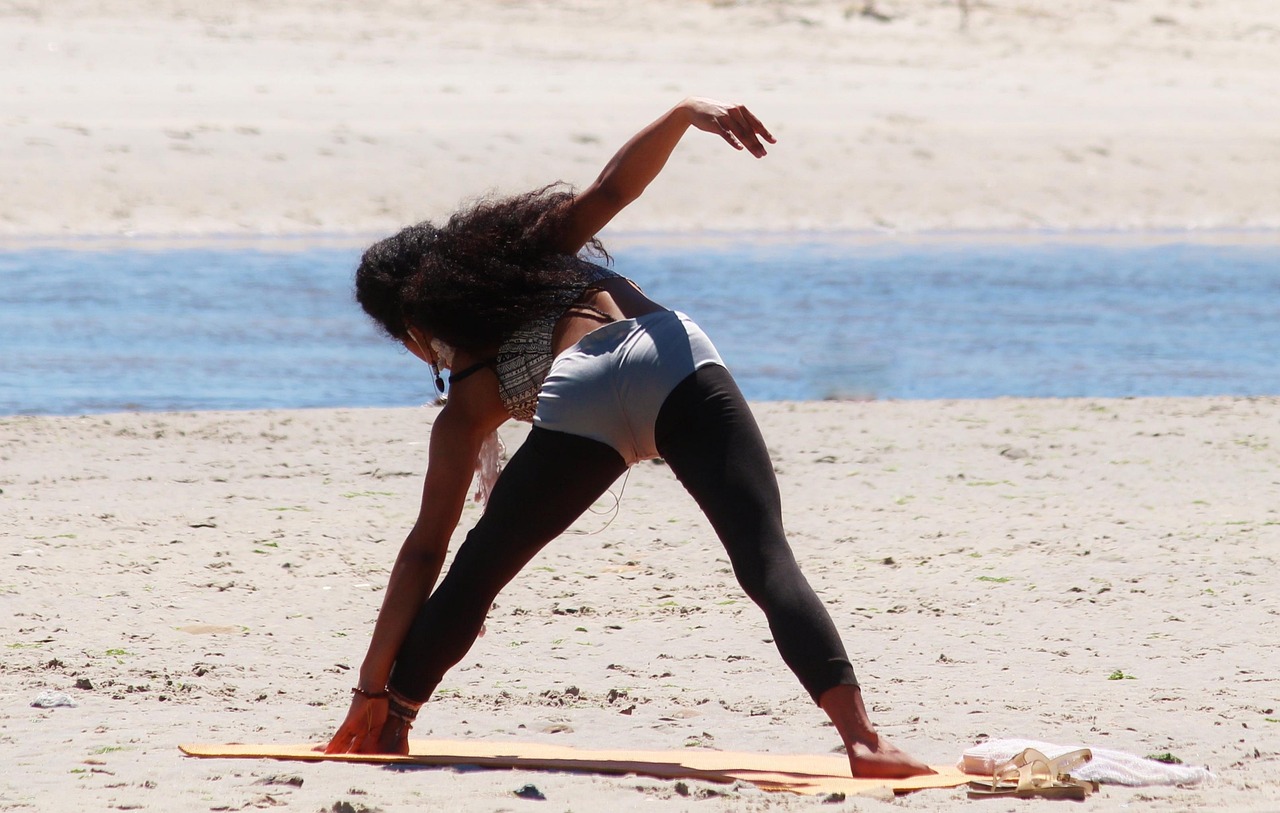
Choosing the right space for your Pilates routine while traveling can enhance your experience greatly. Regardless of where you are, finding a location that allows you to focus and feel comfortable will improve your workout sessions. If possible, seek out quiet places in your hotel or near your accommodations, such as tranquil parks or scenic beaches. Engaging with nature during a Pilates session can be invigorating; the calming environment can help you concentrate fully on your movements. In hotel gyms, you may find the perfect spot for body-weight workouts and stretches. If you are traveling with others, consider organizing group sessions; this can foster camaraderie and mutual motivation. Additionally, be sure to take advantage of travel time; hotel room workouts can easily fit into your schedule after a busy day or conference. Creating a designated workout space using available items like a towel as a mat can make it feel intentional. Lastly, when selecting exercises, prioritize those that promote relaxation and rejuvenation, allowing for a reconnection with your body and preparing you for the next stage of your travels.
Conclusion: Consistency is Key
To fully embrace the benefits of Rehabilitation Pilates while traveling, consistency is essential. While schedules may become hectic, dedicating time for Pilates is an affirmation of self-care. Establishing a routine ensures that even while away from home, you are committing to your physical and mental well-being. Carrying a travel Pilates plan, complete with a list of exercises tailored to your needs, can simplify this process. Break down your routine into manageable parts, making adjustments as necessary based on your location and energy levels. A recommended approach is starting small, targeting key areas like core stability and flexibility through easy exercises before gradually intensifying the routine. Moreover, utilizing travel time for light routines promotes mindfulness and relaxation, turning it into a sacred practice. Don’t shy away from reaching out to Pilates communities online for motivational support and resources too. Lastly, celebrate progress, no matter how small; each Pilates session completed contributes significantly towards your journey of maintaining a healthy lifestyle amid busy travel. Stay committed, keep moving, and enjoy every adventure with a strengthened and invigorated body!