
How to Build Mental Toughness Through Trail Running for OCR
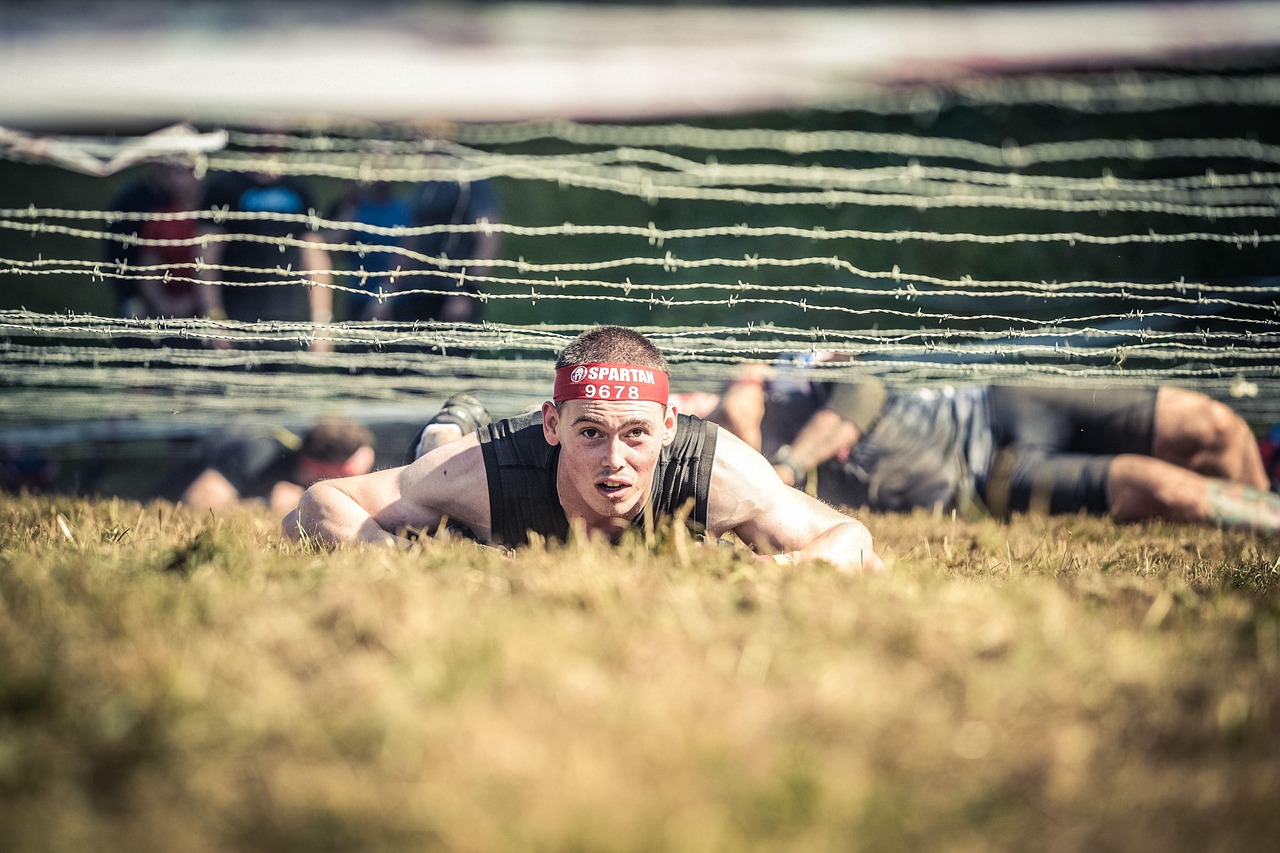
Mental toughness is an essential attribute for anyone involved in Obstacle Course Racing (OCR), especially those who engage in trail running. Developing this psychological strength can significantly improve your performance and enjoyment during races. Trail running provides unique challenges that can test your límites—both physically and mentally. By navigating diverse terrains and unpredictable weather, you can sharpen your focus and cultivate resilience. Incorporating trail runs into your training routine can expose you to obstacles that mimic race day experiences, allowing you to develop problem-solving skills in real-time. To further enhance your mental toughness, consider setting specific objectives for each run, whether it’s pacing, distance, or managing challenging trails. Additionally, working in a variety of landscapes, including hills, roots, and rocks, fosters adaptability, as you learn to adjust to unforeseen circumstances during races. Most importantly, always remind yourself about your goals. Reflecting on what drives you can keep your motivation alive, igniting your desire to overcome challenges and exceed your expectations. Making trail running a regular part of your training is key to achieving success both on the course and in life.
Utilizing Visualization Techniques
One powerful strategy for building mental toughness during trail running is to engage in visualization techniques. This practice allows runners to mentally simulate the course ahead, preparing them for potential challenges they might face on race day. Visualization helps create a strong mental image of successfully overcoming obstacles, which can boost confidence and assurance. As you run, envision yourself mastering tricky ascents or navigating tough descents with poise. A clear and positive mental picture can mitigate fear and self-doubt while enhancing focus, ultimately improving your performance. Visualization is not just about the physical aspects; it’s also about celebrating the accomplishment in your mind. Seeing yourself crossing the finish line can reinforce a belief in your capabilities. To maximize the effectiveness of this technique, allocate time before each training run to visualize various scenarios and practice coping strategies. Whether it’s imagining a sudden weather change or an unexpected last-minute obstacle, cultivating such mental resilience will prepare you both for the physical and psychological aspects of OCR. Pairing visualization with breathing exercises can amplify its benefits, calming your mind and body, empowering you to tackle challenges head-on.
Embracing Discomfort
Another essential aspect of building mental toughness through trail running is embracing discomfort. Trail running often means facing elements that can be uncomfortable, including steep terrains, challenging weather conditions, or fatigue. Instead of shying away from discomfort, actively seek it out. This will better prepare your mind and body for racing conditions where you might face obstacles that test your limits. When you train in challenging environments, you teach yourself to maintain a positive mindset, even when the going gets tough. Acknowledge those feelings of fatigue or discomfort without judgment and practice pushing through them. This not only builds resilience but strengthens your overall ability to cope with unpleasant situations. A helpful tip is to approach these moments with the mindset that they are temporary, and focus on the positive sensations that will follow. Creating mini-challenges during your runs can help you step outside your comfort zone. Whether it’s sprinting up a hill or speeding for a certain distance, each time you push through discomfort, you’ll grow stronger mentally. Remember, developing tolerance for discomfort is essential to achieving both personal and athletic goals.
Creating Supportive Environments
A supportive environment is crucial for enhancing mental toughness as you partake in trail running. Surround yourself with a community of like-minded individuals who encourage perseverance and growth. Training alongside others can create an atmosphere of motivation, making it easier to confront challenges positively. Joining a local trail running group or enrolling in workshops can provide accountability as well as mental support. Sharing experiences, tips, and triumphs with fellow runners can inspire you to push further. Engaging in supportive environments also allows you to develop friendships with those who understand the demands of OCR training. This sense of camaraderie can uplift your spirit during tough training sessions and remind you that you are not alone in your journey. Collaborative activities, such as group races or charity events, can create a sense of purpose that fuels your determination and confidence on race day. Participating in challenging activities with others also helps to normalize the struggle, reinforcing your commitment to building mental strength. Therefore, surround yourself with people who challenge and encourage you to fulfill your potential, propelling your journey towards mental toughness.
Setting Achievable Goals
Setting achievable, incremental goals is fundamental to developing mental toughness through trail running. Establishing clear, realistic targets enables you to focus your energies and helps measure your progress over time. These short-term goals serve as stepping stones towards more significant achievements, making the overall challenge less daunting. For example, you might aim to increase your mileage gradually or tackle more difficult trails each week, allowing you to celebrate small victories along the way. Tracking your progress through a journal or an app can bolster your motivation and promote a growth mindset. When you see past achievements, it reinforces your belief in your capacity to take on obstacles. Additionally, breaking down larger goals into achievable tasks can help maintain your enthusiasm and confidence. This approach ensures that you remain focused on each step rather than becoming overwhelmed by the bigger picture of training for an OCR. Discuss your objectives with supportive friends or teammates during your runs. Their encouragement can strengthen your resolve and enhance your mental toughness while fostering a shared sense of accomplishment whenever you reach a goal.
Incorporating Recovery and Self-Care
Mental toughness is deeply intertwined with physical well-being, making recovery and self-care crucial components of your trail running regimen. You might think that pushing harder and running more is the solution, but adequate rest and self-care can be just as powerful in developing resilience. Prioritizing recovery days allows your muscles and mind to recharge, ensuring you’re ready for the next training session or race. Incorporating activities such as yoga or stretching can promote mental clarity, enhance flexibility, and facilitate relaxation. This sets the tone for a positive mindset as you progress throughout your training. Engaging in self-care routines—like proper nutrition and hydration—will fuel your body, contributing to mental strength as well. Quality sleep is essential; make it a priority to get enough rest to boost your mental health and recovery. Being well-rested enhances focus and rationale, allowing you to combat distractions and discomfort during long runs. By prioritizing recovery, you can enhance your ability to endure the toughest challenges, ultimately instilling a sense of accomplishment and willpower. This not only impacts your running but also underscores the importance of balance in life.
Reflecting on Your Journey
Finally, reflecting on your journey through trail running is vital for cultivating mental toughness. Take time to assess your growth, challenges, and achievements regularly. This reflection will help you gain insight into your mental resilience and provide an opportunity to celebrate what you have accomplished. Use a journal to document your thoughts, feelings, and experiences throughout your training. Assessing your progress can reveal your ability to confront and overcome obstacles that previously seemed insurmountable. Acknowledging both hardships and victories builds a healthier relationship with your running experience and reinforces resilience amid setbacks. Additionally, connecting with others by sharing your journey can provide further motivation and support. Your story may inspire those around you, creating a ripple effect that strengthens your own commitment to improvement. Engaging in this practice fosters gratitude for your dedication and hard work. By taking time to reflect, you’re ensured a deeper understanding of yourself, along with your goals. This process ultimately consolidates your mental toughness, proving that every choice, struggle, and victory contributes to the overall enjoyment and fulfillment of trail running and OCR.