
Choosing the Right Swimming Pool for Indoor Training
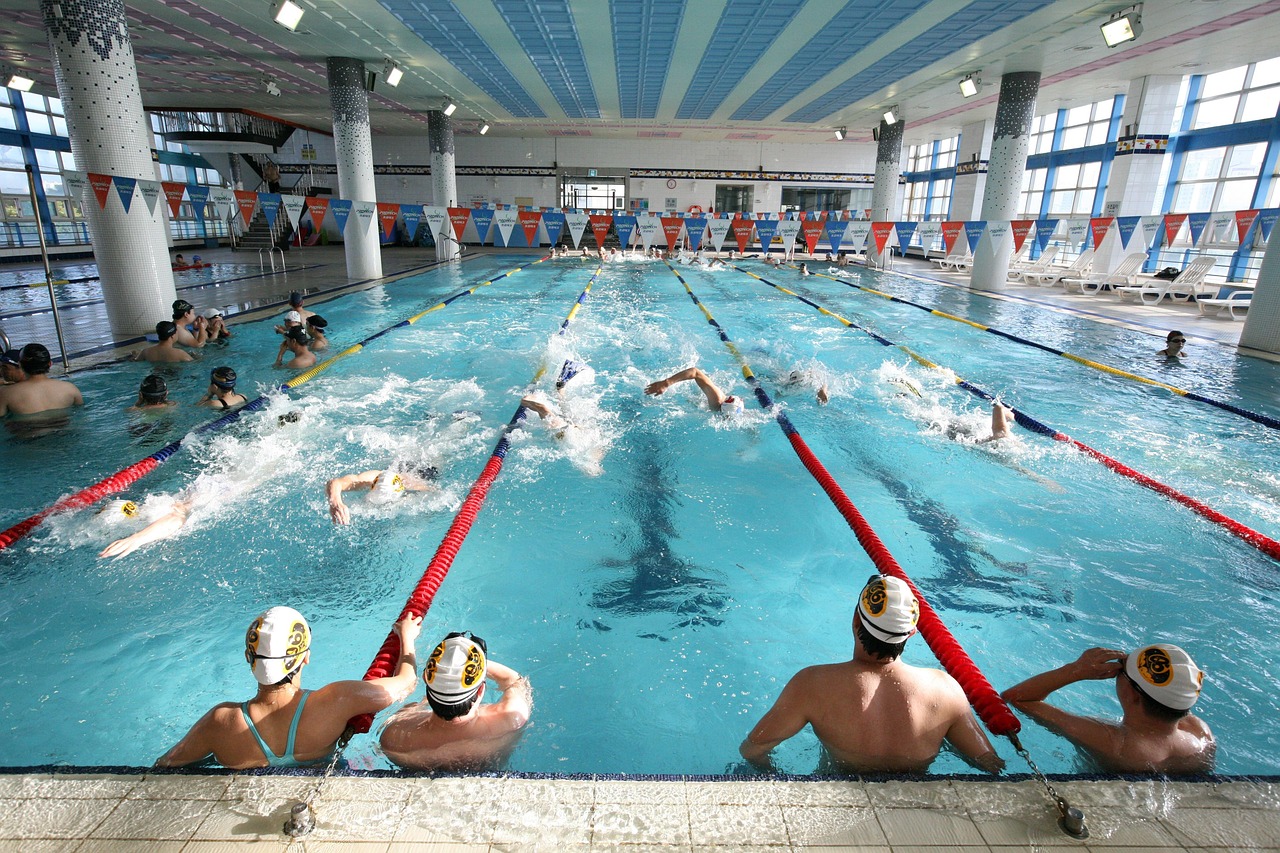
When considering an indoor swimming pool for training, assess key criteria that enhance your performance. First, evaluate the pool’s dimensions since it significantly affects training effectiveness. A standard Olympic-sized pool measures 50 meters in length, making it ideal for competitive training. Alternatively, shorter pools might suffice for general fitness or leisurely swimming. Additionally, the water depth is paramount, especially for dive training. A depth of at least 2 meters is optimal to ensure safety during starts and turns. Consider the type and maintenance of the pool surfaces as well; tile surfaces are easier to clean and maintain than vinyl liners, which may add long-term costs. Furthermore, explore the options for temperature control, as warmer water can aid muscles when swimming during colder seasons. Lastly, lighting plays a crucial role, as well-lit environments enhance visibility, contributing to a more enjoyable training experience. By focusing on these elements, you’ll maximize your indoor swimming workouts and achieve optimal results. Remember, the right choice can lead to significant improvements in endurance and technique, contributing positively to your swimming journey.
Once you’ve determined general specifications, explore options for heating and chemical systems. A comfortable water temperature can significantly boost your swimming experience. Many indoor pools utilize efficient heating systems to maintain water warmth, essential for training sessions. This allows swimmers to perform routines without the constraining chill often found in outdoor pools. Furthermore, chemical balance is crucial; investing in quality filtration and chemical management systems ensures clear and safe swimming conditions. Regular monitoring of pH and chlorine levels prevents potential health issues. Swim training often emphasizes breathing techniques, and clear water allows for better focus during practice. Indoor air quality should not be overlooked; proper ventilation systems maintain freshness and prevent humidity build-up. High humidity levels can lead to mold growth, negatively impacting both water quality and swimmer comfort. Think about storage solutions for training equipment like kickboards, pull buoys, and fins as well; adequate storage keeps the area organized and functional. Evaluate all these systems to create an effective indoor pool environment. By prioritizing these factors, you’ll cultivate an atmosphere conducive to enhancing your training regimen.
Accessibility and Surrounding Facilities
Accessibility to the indoor pool area is another consideration that can greatly influence your training experience. A conveniently located swimming facility can save you valuable time, making it easier to integrate swimming into your daily routine. Look for places that offer ample parking or alternative transportation options, like public transit access. In addition to accessibility, consider the surrounding facilities available at the venue. Nearby locker rooms and showers contribute to a complete swimming experience, allowing you to maintain cleanliness before and after your workouts. This is particularly important if you plan to train intensively, as comfort plays a significant role in your overall performance. If possible, choose facilities with additional perks such as lounges, saunas, and nutritional cafes; these can aid in recovery post-practice. Lastly, ensure that the pool has professional staff or coaches available for guidance and support. Having experienced trainers on site provides valuable feedback and supervision that can enhance your swimming skills. Prioritize these aspects when selecting your indoor pool to ensure you gain the most from your training routine.
Another critical consideration is the type of pool structure suited for your training needs. There are various pool designs, including rectangular pools for laps or irregularly shaped ones for recreational use. Rectangular pools are more conducive for serious swimmers focusing on lap training. They provide the ability to measure distances accurately, which can help track performance improvement over time. Additionally, look for pools with adjustable depths if you include diving in your regimen; this feature allows varying water levels depending on the activity required. Consider the materials used in pool construction, as these can influence the longevity and maintenance needs. For instance, concrete pools are durable but can be costly to build and maintain. In comparison, fiberglass pools are easier to install and require less upkeep. While all these factors are essential, focus on how each pool type meets your specific training requirements to improve your swimming technique and stamina. By carefully analyzing the structure, you can select a facility that not only provides excellent training but also caters to your swimming goals effectively.
Budget Considerations
Budget considerations when choosing an indoor swimming pool are essential for ensuring long-term satisfaction without breaking the bank. Various indoor pools come with pricing structures, making it vital to assess your financial capabilities before committing. Determine if a membership or pay-per-visit rate is most suitable for your training style. Memberships often offer better value for regular swimmers, allowing for unlimited access to the facility. Some clubs may even provide discounted rates for students or long-term members, so investigate possible financial incentives. Factor in additional costs related to transportation, equipment, and any supplementary services that may enhance your swimming experience. These could include personal training sessions, swim classes, or advanced swimming aids that might be available for a fee. Also, consider the potential for saving on maintenance costs down the line if you choose a well-constructed pool. In the long run, investing in a quality space could lead to savings on repairs, heating, and chemical maintenance. Understand your budget options clearly for the best indoor swimming pool experience.
With these practical needs and financial aspects considered, turn your attention to the use of technology within the swimming facility. The integration of technology can significantly enhance the training experience. Modern pools often come equipped with advanced systems such as underwater cameras or swim analytics that aid in technique assessment and improvement. These technologies allow coaches to provide better feedback and offer tailor-made workouts based on performance metrics. Some facilities even offer virtual reality systems for lessons where swimmers can practice techniques in a simulated environment. Ensure that the pool you are considering has compatible amenities and equipment that support these modern techniques. Having access to such technology can drastically improve your training sessions, making workouts both productive and engaging. Additionally, consider the availability of apps or database systems used by the facility to track training progress. This kind of data accountability can contribute to more focused training efforts. By prioritizing technological advancements, you can create a unique training experience that not only enhances skills but also increases motivation.
Consulting with Experienced Swimmers
Finally, engage with experienced swimmers or coaches when selecting your indoor swimming facility. Their insights can provide an invaluable perspective. Listening to their experiences about several pools can aid in making informed decisions. Often, seasoned swimmers recognize features or disadvantages that newcomers might overlook. They could offer recommendations based on your training goals, ensuring alignment with the most suitable facilities. Joining local swimming clubs or forums also provides the opportunity to ask questions and gather opinions on indoor pools in your area. Develop relationships with fellow swimmers to gain tips on the best practices regarding indoor pool training, such as optimal training schedules or preparation techniques. Informing yourself through personal connections can enhance your learning experience and create camaraderie among peers. Furthermore, maintaining an open dialogue about training techniques and sharing individual experiences can foster growth, leading to more effective swimming. Take the time to gather crucial insights from experienced individuals to achieve your swimming aspirations. In conclusion, wisely choosing an indoor swimming pool will elevate your training outcomes.
In summary, choosing the right indoor swimming pool requires a thorough understanding of your training needs and preferences. Evaluating factors like pool dimensions, maintenance systems, accessibility, and surrounding facilities plays a crucial role in this decision-making process. Additionally, consider the type of construction and available technology, as advancements in these areas can enhance training outcomes significantly. Budgetary constraints and feedback from experienced swimmers should also contribute to your choice. By taking into account all these aspects, you’ll create a supportive and effective environment for your indoor swimming training. Prioritize your requirements to achieve optimal results and enjoy your swimming journey. Ultimately, the right facility and the right choices will lead to improved technique, strength, and speed as an athlete. Embrace your swimming goals with a kitchen actively facilitating your diverse practices. As you dive in, you’ll find a world of improved performance and satisfaction, empowering you to reach your potential. Invest time and energy in your indoor swimming pool selection; it’s an integral part of your training success. Happy swimming!