
Analyzing Professional Players’ Float Serve Techniques for Insights
Float serves are crucial for enhancing a volleyball player’s skillset, providing a crucial edge in competitive scenarios. Understanding the technical elements behind the float serve can improve overall game performance. Elite players often display remarkable precision and consistency, making their float serves formidable. Different techniques contribute to the effectiveness of the float serve, including the grip on the ball, the toss height, and the angle of the hit. Observing professional athletes allows us to extract key insights regarding successful float serve application. Many seasoned players utilize varying palm positions to control ball spin and trajectory. Each player may adopt distinct styles while adhering to fundamental principles that encompass body posture, timing, and follow-through techniques. These different serving strategies highlight that while personal preference plays a role, there are established techniques that yield optimal results. Training alongside or analyzing the techniques of professional players provides valuable experience. Understanding how top athletes execute their float serves offers emerging players significant learning opportunities, which can then influence their training regimens and competitive strategies. Incorporating these insights into routine practices can vastly improve service efficiency for amateur players on any volleyball team.
Analyzing how professional volleyball players execute their float serves reveals valuable techniques pertinent to training. For example, the ideal body positioning often starts with the feet shoulder-width apart, creating a solid foundation. This stance not only aids stability but allows for effective weight transfer during the serve. As players generate momentum, they typically synchronize their arm and body movements to enhance power and direction. Observably, hitting the ball at varying heights can produce different effects, and it’s key for players to master these variations. With the float serve, players aim to minimize spin for an unpredictable trajectory. This success often comes from practicing under various conditions and settings. Another critical aspect is the toss; professionals exhibit remarkable control over toss height and placement. When the toss is too low or too high, it can disrupt the serving technique and outcome. Drills focusing on toss consistency may therefore be vital for developing service skills. Moreover, understanding the wind dynamics during outdoor conditions can further enhance a player’s capability in adjusting its technique appropriately while serving. Reflecting on these professional insights can shape effective training methodologies and improve performance on the court.
The Key Elements of the Float Serve
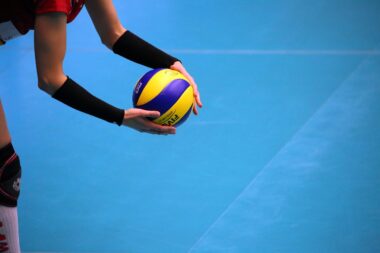
Professional players often focus on several key components when perfecting their float serve, ensuring precision and effectiveness. A smooth and controlled approach enhances the float serve’s reliability as it reduces chances of faults. Evaluating various grips can yield differing results from players, featuring palm-up versus palm-down techniques. The former is often used for increased control, while the latter contributes to generating a better float effect. Each player may prefer different grips, yet they focus on achieving the same goal: a stable toss with a clean hit. Additionally, proper follow-through plays a crucial role in achieving the desired float serve characteristics. A brief extension post-hit allows the player’s body to remain balanced and in control. Studying these mechanics enables young volleyball players to integrate advanced techniques securely into their gameplay. Noteworthy professional athletes utilize rigorous practice routines and analytics to fine-tune their serves. By examining feedback from their serves, players can observe which techniques yield better performance. Utilizing video analysis and personal coaching can unveil patterns in technique that leads to improvement. Coaches should thus invest in these resources for developing future volleyball talents.
Power and accuracy are at the core of any successful float serve, impacting its effectiveness during gameplay. Professional players emphasize striking the ball at the correct point, generally around the peak of the toss. This ensures maximum control over the ball’s velocity and trajectory. Perfecting the approach also requires rhythmic fluidity, facilitating a seamless transition from preparation to execution. Warm-up routines focusing on core strength and shoulder flexibility can help players achieve optimal swing mechanics. In addition, a player’s mental focus during the serve is equally important as techniques executed mechanically. Visualization practices can improve players’ performance confidence immensely while enhancing the mental aspect of serving. Top athletes often channel intense competition energy into precise serve movements. Moreover, it is essential that players recognize the opponent’s formation and adapt accordingly. Strategically placing the float serve can disrupt the receiving team’s rhythm and heighten pressure. An effective serve not only secures points but can shift game momentum. Misunderstanding opponent tendencies is a common error players make, but observing their weaknesses can guide player strategy during matches. Continuous adaptation to various opponents will refine decision-making abilities and improve chances of winning matches.
Drills and Practice Strategies
Implementing effective drills is integral in perfecting the float serve for volleyball players at all levels. Professional training regimens often include specific exercises that target crucial elements of the float serve technique. For instance, players can practice serving against a wall to focus on toss consistency and execution without distractions. Additionally, targeted serving drills can optimize muscle memory. Players often utilize varied tossing heights while aiming for accurate placements, adjusting techniques based on real-time feedback from partners. Consistent repetition aids in mastering the rhythm required during the serve. Another essential practice involves integrating float serves into game-like situations, allowing players to adapt their techniques based on opponent responses. Goal-setting during drills can enhance motivation and track improvements over time. Coaches play a pivotal role in ensuring the drills are impactful, emphasizing quality over quantity. Furthermore, maintaining a training journal to document observations encourages self-reflection and growth. Players who engage with analytical feedback from their serves develop stronger self-awareness about their performance. This practice emphasizes continual growth and sets benchmarks for improvement. Ultimately, consistent and well-structured drills lead to enhanced performance on the court during crucial match situations.
Understanding the mental game is just as crucial as the physical aspects of serving in volleyball. Fostering confidence plays a significant role, yet many players may experience serve anxiety which can lead to mistakes. Professional players exhibit composure in high-stakes moments, allowing them to maintain focus. Engaging in mental preparation techniques can serve to alleviate this anxiety, such as visualization or mindfulness. These strategies help players mentally practice their serves in pressure situations, allowing for calmness during actual competition. Reflecting on positive past performances can also reinforce a player’s belief in their capabilities. By welcoming the idea of making mistakes during practice, players develop resilience and learn to adapt on the court. Failure is part of the learning process, and understanding this helps in overcoming serve-related fears. Mental coaching, awareness, and fostering a growth mindset enable players to harness their focus effectively. Moreover, participating in team-building exercises can bolster camaraderie and inherent trust among teammates. A supportive training environment ultimately contributes to better service execution. Players who operate within a positive mindset vastly improve their resilience and adaptability as they encounter new competitive challenges throughout their careers.
Real-World Application and Conclusion
In incorporating professional players’ techniques into personal training, aspiring volleyball athletes can adopt various effective principles. Observing how elite players approach float serves helps in constructing one’s own style while emphasizing fundamentals. Applying specific skill drills, both physical and mental, significantly impacts performance outcomes. Furthermore, understanding the adaptability required while serving against dynamic opponents prepares players for real-world scenarios. Adapting float serves to target specific weaknesses requires keen observation during competitive play. Engaging with sports psychology resources aids in building the necessary mental resilience as performance pressures increase. As volleyball evolves, ongoing learning through analysis remains paramount in enhancing technique consistency. Continuous collaboration with coaches and peers can reveal personalized insights that support growth. Setting measurable goals alongside feedback mechanisms allows players to appreciate their progress effectively. Ultimately, the journey to mastering the float serve, guided by professional methods and personal reflection, can lead to remarkable improvements in gameplay. Incorporating these various techniques nurtures not only skillful serves but also enhances an athlete’s overall understanding of the sport. The continuous evolution of volleyball serving techniques creates engaging opportunities for players committed to maximizing their potential and achieving their goals.
In conclusion, examining professional players’ float serve techniques provides invaluable insights that aspiring athletes can incorporate into their training routines. These skills play a key role in service effectiveness on the court, leading to improved overall performance. Emphasizing various training drills, mental fortitude, and embracing feedback can foster growth among players. Executing a float serve proficiently requires time, practice, and dedication. The interplay between mechanics and mental focus highlights important aspects athletes must consider in developing their float serve strategies. It’s imperative that players continuously learn and evolve their techniques while observing the best in the sport. Each lesson from a professional serves as a stepping stone toward individual improvement. Enjoying the process of refining this skill signals passion for the game, which is essential for success within the competitive framework. All these components meld together to foster a well-rounded player ready to excel at the sport. The successful float serve becomes not merely a goal but a vital part of a player’s identity on the court. Striving for excellence and consistency ensures that young athletes remain committed in their pursuit of volleyball mastery.