
Qigong Practices for Calming Anxiety
Qigong is a holistic practice that combines movement, meditation, and controlled breathing. It is a powerful technique rooted in Chinese tradition, aimed at enhancing well-being and reducing anxiety. This approach emphasizes the connection between the mind and body, making it particularly effective for individuals experiencing heightened anxiety. Through gentle movements and mindfulness, Qigong can activate the body’s self-healing mechanisms. The practice fosters relaxation and emotional balance, which can alleviate the symptoms of anxiety. The integration of mental focus helps to divert the mind from anxious thoughts. Regularly engaging in Qigong can cultivate a sense of tranquility, creating a sanctuary within oneself amid the chaos of life. In addition, practitioners may notice improved physical health and resilience against stressors. Overall, Qigong offers a unique blend of physical and mental disciplines, perfect for anyone seeking relief from anxiety. It is recommended to practice in a serene environment to fully benefit from these techniques. The journey of learning Qigong can be gradual, and consistency is key to experiencing lasting results. Begin with short sessions and gradually increase the duration and complexity of the movements.
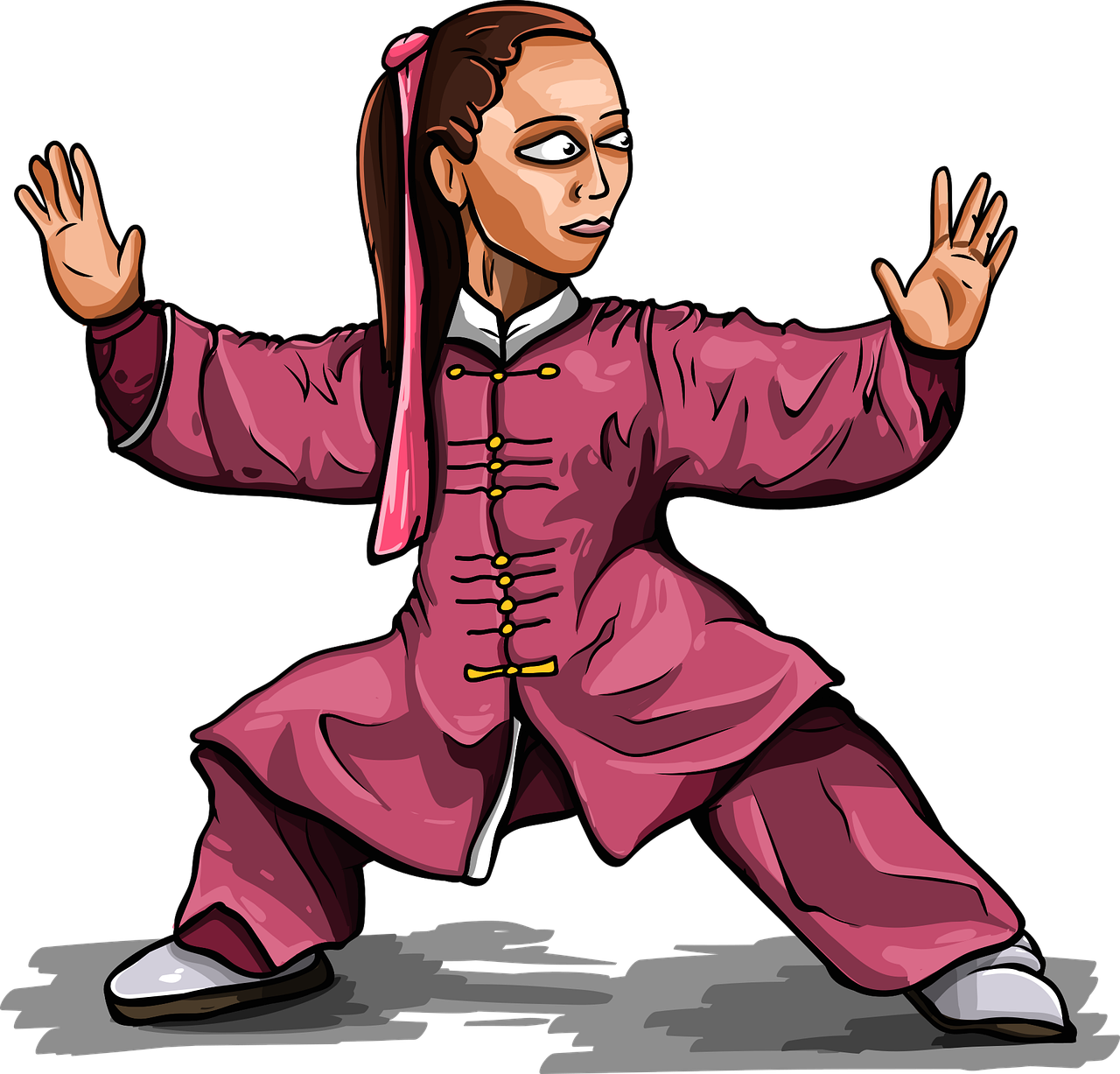
One of the most effective Qigong practices for anxiety relief is the “Eight Pieces of Brocade.” This series of exercises focuses on gentle stretches and movements designed to promote energy flow and relaxation. Each movement corresponds with specific breathing patterns, enhancing overall effectiveness. Practicing the Eight Pieces of Brocade has many benefits, including increased flexibility and reduced muscle tension. Moreover, the rhythmic nature of these movements allows users to enter a meditative state, minimizing anxious thoughts. Each Qigong session can typically be completed within 20-30 minutes, making it easily adaptable to busy lifestyles. It can be performed alone or in a group setting for additional support and motivation. Feel free to explore different versions of the series, as each instructor may have slightly varied movements. Remember that the goal is to find what works best for you. Consistency is essential to reap the benefits. Practicing Qigong can create a soothing routine in your daily activities. Over time, practitioners often feel more grounded and capable of handling stress. Therefore, the Eight Pieces of Brocade might be a perfect starting point for anyone looking to embrace Qigong in their life.
Breathing Techniques in Qigong
Breathing techniques are integral to Qigong, significantly influencing the practice’s effectiveness in calming anxiety. By focusing on deep, diaphragmatic breathing, practitioners can stimulate the parasympathetic nervous system, which promotes relaxation. This type of breathing encourages oxygen flow to the body and provides a calming effect on the mind. To perform this technique, find a comfortable seated position, inhaling deeply through the nose, allowing the abdomen to expand. Hold the breath briefly before exhaling slowly through the mouth. This simple yet effective practice can be incorporated into daily routines or during Qigong sessions. Regular practice fosters a greater awareness of one’s breath and its impact on emotional states. Maintaining this awareness helps in recognizing anxiety triggers, allowing for proactive measures. Deep breathing not only calms the mind but also enhances cardiovascular health and lowers cortisol levels. Incorporating deep breathing with Qigong movements creates a synergy that maximizes the benefits of both disciplines. Consider setting aside time each day for this practice, focusing solely on your breath and the energies within. Over time, your body and mind will learn to respond more positively to stressors.
Additionally, visual imagery plays a crucial role in enhancing the effects of Qigong on anxiety. By combining movement and meditative visualization techniques, practitioners can create a powerful mental environment for relaxation. During Qigong practice, visualize stress leaving your body with each exhale, picturing it as a dark cloud dissipating into the air. This method fosters a deeper sense of control over anxious thoughts and emotions. Creating a serene mental space allows individuals to step away from daily pressures, even if only for a short time. Imagining pleasant scenes, such as tranquil landscapes or peaceful bodies of water, can elevate the practice, providing immediate relaxation. Engaging all senses during visualization enhances the experience, helping to create vivid mental images. Practitioners can also focus on positive affirmations to reinforce feelings of peace and safety. Developing and maintaining this mental imagery practice may result in long-lasting changes in response to anxiety-inducing situations. Ultimately, placing importance on visualization during Qigong enhances its ability to promote calm and resilience. Consider integrating visual imagery into your Qigong sessions to maximize the benefits of your practice.
Connecting Mind and Body Through Qigong
The essence of Qigong lies in its ability to harmonize the mind and body, crucial for overcoming anxiety. By becoming more in tune with physical sensations and emotional states, individuals strengthen their resilience against stress. This connection encourages participants to listen to their bodies, recognizing signs of tension and anxiety without judgment. Regular Qigong practice develops self-awareness, helping to identify patterns in thoughts and feelings. Through this greater understanding, practitioners can address the root causes of anxiety instead of merely managing symptoms. This holistic approach fosters a greater sense of empowerment, as individuals learn to take charge of their responses to stress. Furthermore, engaging in mindful movement allows for the release of pent-up emotions. When one moves consciously, it leads to a cathartic experience. The movements in Qigong can also be seen as a way of expressing emotions physically, releasing what might otherwise stay suppressed. As practitioners explore this mind-body connection, they often find their anxiety lessens over time, replaced by a deeper appreciation for their own inner workings. Therefore, the mind-body connection in Qigong ultimately serves as a valuable tool in combating anxiety.
Consistency is essential when undertaking Qigong practice, especially for those aiming to alleviate anxiety. Establishing a regular routine fosters discipline and can lead to deeper understanding and greater benefits. Aim to integrate Qigong into your lifestyle by setting aside a specific time each day for practice. Morning sessions can help set a positive tone for the day, while evening practices may promote relaxation before sleep. Scheduling these sessions into daily calendars ensures they become a priority over time. In addition, approaching Qigong with an open mind can enhance the experience. Practitioners should allow themselves to be vulnerable and embrace the process as part of a journey. This openness facilitates deeper exploration of emotional layers, potentially exposing sources of anxiety. Each practice can bring new insights, further enriching the experience. Joining a local class or connecting with an online community can also provide support and encouragement. Practicing in a group setting allows for shared energy and inspiration. As participants witness each other’s progress, motivation is heightened. Ultimately, developing a consistent Qigong routine serves as a foundation for long-term anxiety management.
Conclusion: Embracing Qigong for Anxiety Relief
In conclusion, Qigong is a powerful tool for managing anxiety through its emphasis on the mind-body connection. By incorporating movement, breathing techniques, and visualization, individuals can cultivate greater self-awareness and emotional resilience. Practicing Qigong regularly not only promotes relaxation but also empowers individuals to address underlying sources of anxiety. As practitioners learn to listen to their bodies and harness their mental resources, they discover new avenues for overcoming stress. The journey into Qigong may initially require patience and consistency, but the benefits can be profound. As with any practice, results vary by person, and each individual’s journey is unique. It is important to explore different styles and techniques within Qigong, allowing one to find what resonates most personally. Support from instructors and communities can enhance the experience, providing motivation and encouragement. Incorporating Qigong into daily life creates an opportunity for ongoing growth, leading to a more tranquil existence. As anxiety diminishes, practitioners often find a renewed sense of purpose and clarity. Therefore, embracing Qigong may just be the transformative practice that many seek for anxiety relief.
The journey into Qigong is more than just a series of movements; it is an emergence of personal growth and healing. A deeper exploration of techniques can lead to lasting transformations.