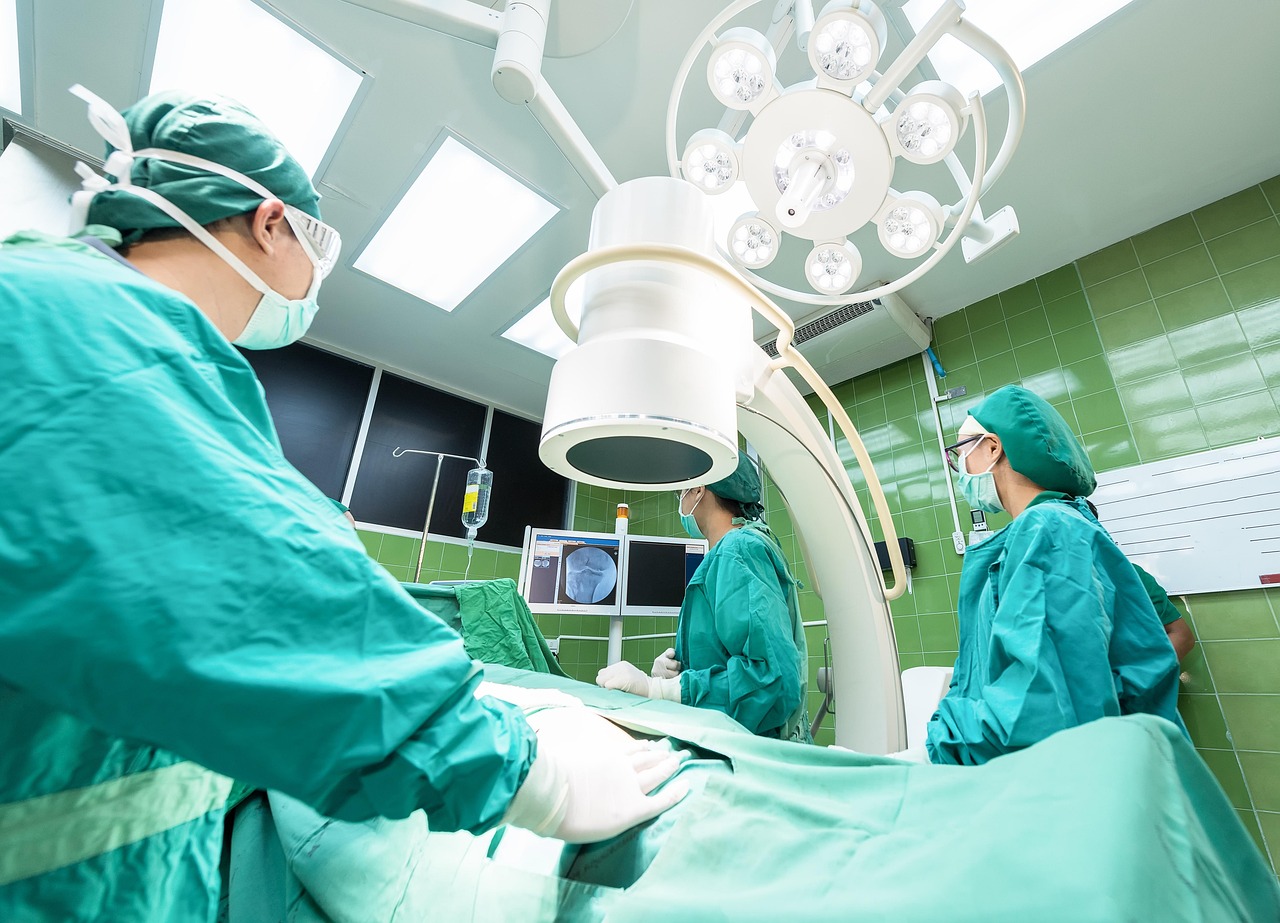

The Role of Surgery in ACL Tear Management
An anterior cruciate ligament (ACL) injury is a common occurrence among athletes, drastically affecting their performance. The ACL provides stability to the knee, and when torn, it may lead to persistent instability, pain, and difficulty in engaging in sports-related activities. Surgical intervention often becomes necessary when conservative treatment fails, especially for active individuals wishing to return to high-impact sports. Surgery aims to reconstruct the torn ligament, restoring the knee’s stability and enabling the resumption of normal function. Various procedures exist, primarily focusing on replacing the torn ligament with a graft. The outcomes of ACL surgery largely depend on factors such as age, activity level, and adherence to rehabilitation protocols. Post-surgery, a comprehensive rehabilitation program is crucial for optimal recovery and return to sport. In the context of sports medicine, understanding the role of surgical techniques in managing ACL tears allows healthcare providers to streamline treatment and management pathways for athletes. Surgeons utilize both arthroscopic and open techniques, depending on individual cases. Outcomes often show significant improvement in athletic performance when surgery is appropriately considered.
Successful ACL surgery involves careful selection of the graft material, with options including patellar tendon, hamstring tendon, or allograft tissue. Each graft type has its own healing properties and implications for recovery. For instance, patellar tendon grafts are often favored for their strength but pose a longer recovery time. In contrast, hamstring tendon grafts may result in less anterior knee pain but can lead to weaknesses in hamstring strength post-surgery. The choice of graft can significantly influence both the success rate of the surgery and the eventual physical therapy plan. Additionally, patient preference and lifestyle should be considered when deciding which graft to use, as these factors directly correlate with post-operative satisfaction and functionality. Continuous advancements in surgical techniques and rehabilitation protocols aim to enhance recovery times and improve long-term outcomes for athletes. Implementing a personalized rehabilitation approach is critical for athletes to regain their strength and ensure their knees can endure the rigors of sports. As research continues, the role of surgery becomes even more refined, helping to integrate modern innovations with traditional practices in sports medicine.
Post-Surgery Recovery and Rehabilitation
Post-surgical recovery is essential for the success of ACL reconstruction. This phase is often divided into several stages and begins at the moment of discharge from the hospital. Early engagement in physical therapy focuses on regaining range of motion and reducing swelling. Common practices include cryotherapy and controlled loading of the knee joint. Following the initial phase, rehabilitation increasingly emphasizes strength training and neuromuscular re-education. Patients typically begin functional strengthening exercises around six weeks after surgery. Physical therapists play a crucial role in guiding athletes through this process, teaching them how to perform movements safely while minimizing the risk of re-injury. Athletic progress assessments are conducted at regular intervals to ensure techniques are correct and goals are being met. The rehabilitation timeline varies depending on individual healing responses and the complexity of the surgical procedure performed. Many athletes can return to competitive sports between 6-12 months following surgery, with comprehensive strength and technical training crucial during this time. Ultimately, the collaboration between surgical teams and rehabilitation specialists significantly determines the success of ACL tear management strategies.
The potential risks and complications of ACL surgery require careful assessment and patient education. Surgeons inform patients about common postoperative issues like infection, bleeding, and graft failure. Awareness of these risks allows athletes to make informed decisions regarding their surgical options. Additionally, complications may arise from patient factors such as age, pre-existing conditions, or nutritional deficiencies. Factors affecting healing and recovery include smoking, which impairs blood flow and healing capacity. Discussing lifestyle habits can help tailor interventions to better support recovery. Other considerations include psychological factors, as athletes may experience anxiety related to post-surgery performance uncertainty. Proper communication between the surgical team and athletes regarding what to expect after surgery can alleviate concerns and promote mental wellness during recovery. Patient education should encompass activity modifications to encourage adherence to physical therapy and well-structured rehabilitation plans. As sports medicine continues to evolve, addressing the psychosocial dimensions of surgery further enhances overall outcomes for athletes. Empowering patients with knowledge and support during the surgical process ultimately contributes to a smoother recovery and return to sport.
Long-Term Outcomes
Long-term outcomes for ACL reconstructive surgeries are generally positive, with many athletes returning to their pre-injury level of performance. Research indicates that up to 80% of individuals successfully return to high-level activity within a year post-surgery. Factors influencing these outcomes include the patient’s age, the severity of the injury, surgical technique, and rehabilitation adherence. Continuous monitoring of knee health remains essential after surgery due to potential risks of degenerative changes that can occur even when initial surgical outcomes appear successful. A subsequent joint deterioration may lead to conditions like osteoarthritis later in life. Regular check-ups and functional assessments can help identify knee complications early on, allowing for timely intervention if necessary. Athletes are encouraged to maintain strong musculature and stability around the knee joint even after returning to play. Furthermore, involvement in preventive programs emphasizing balance, strength, and agility can further diminish the chances of re-injury. Through diligent care and proactive health management, athletes can enjoy long-term success and minimize the chances of secondary injuries related to their initial ACL tears.
In conclusion, surgery plays a critical role in the management of ACL tears, effectively restoring knee stability and facilitating athlete recovery. The decision to operate hinges on various factors including the severity of the injury, activity level, and long-term goals of the athlete. Surgical techniques continue to evolve, enhancing patient options and surgical outcomes. A comprehensive postoperative rehabilitation strategy is integral for ensuring successful recovery and return to activities. Athletes must be informed of potential risks and prepared for the recovery journey, adjusting mental and physical expectations accordingly. Long-term follow-up care aids in monitoring knee health and preemptively addressing complications. Ultimately, the collaborative efforts between surgeons, rehabilitation specialists, and athletes form the backbone of effective ACL tear management. By understanding both the technical and psychological aspects of recovery, sports medicine can promote a holistic approach to healing. As research progresses, future advancements will continue to improve surgical and rehabilitation practices, ensuring athletes receive the most effective care possible. The integration of innovative technologies will likely enhance surgical accuracy and recovery protocols, fostering the ongoing evolution of sports medicine.
As the landscape of sports medicine advances, increasing attention is placed on ways to optimize outcomes following ACL injury management. Future research is expected to focus on developing better diagnostic tools and surgical techniques that can provide more precision in addressing complex ACL injuries. Innovations such as increased imaging capabilities will aid in assessing the nature of the injury more accurately and planning surgical approaches effectively. Advanced augmentation methods may also become commonplace, providing additional support to grafts and enhancing healing processes. Furthermore, the exploration of biological strategies, such as using stem cells or growth factors during surgery, may promote more rapid and effective healing. These developments not only aim to minimize recovery time, but they also have the potential to enhance graft integration within the knee joint. In a sport-driven society where athlete performance is paramount, integrating such advances can redefine standards in ACL management. Therefore, ongoing education for healthcare professionals and athletes alike about these innovations will be vital for determining their practical applications. As we look forward, continuous advancements in sports medicine will shape the future of ACL injury treatments, ensuring enhanced quality of life for athletes.
Ultimately, collaborative efforts among medical professionals, athletic trainers, and patients are essential for success in the management of ACL injuries. The unified approach ensures that all aspects of an athlete’s recovery pathway are addressed, promoting efficient healing and return to sports. Engaging in discussions about potential surgical interventions, recovery options, and lifestyle modifications enables athletes to make empowered decisions and actively participate in their rehabilitation journey. The integration of technology, combined with heightened awareness of psychosocial factors, further enriches the process of recovery from ACL tears. Athletes must remain open to adapting their training regimens and seeking guidance throughout their healing journey. As sports medicine grows, the commitment to delivering personalized and evidence-based care will drive improvements in patient outcomes. By embracing a holistic approach that prioritizes physical and mental well-being alike, we can transform the treatment landscape for ACL injuries. Thus, the role of surgery continues to evolve alongside advancements in science and technology. Hence, continually learning and adapting ensure optimal performance and well-being for athletes facing these challenges.