
Improving Reaction Time for Combat Sambo Fighters
In Combat Sambo, having quick reaction times can determine your success in the ring. Fighters must learn to respond rapidly to their opponents’ actions, whether that’s dodging a strike or countering an attack. A fighter’s ability to react swiftly often correlates with the frequency of their training, mental alertness, and physical conditioning. Therefore, sharpening reaction times not only enhances performance but can also reduce the likelihood of injury. Training specifically focused on reaction time can include various drills aimed at improving this essential skill. Fighters should practice these drills regularly to build muscle memory and ensure quick reflexes during matches. Additionally, incorporating technology, such as reaction training apps or devices, can prove beneficial. These tools can help you gauge your progress effectively. Overall, focusing on this area of training is just as crucial as perfecting techniques and strategies in Combat Sambo. When a fighter can respond instantly to changing situations, their chances of overcoming opponents increase dramatically, allowing them greater success and enjoyment while participating in this dynamic martial art.
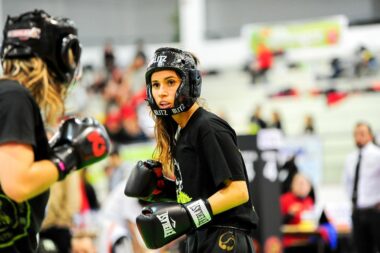
A well-rounded training regimen will include several strategies to enhance reaction time for Combat Sambo. One effective method involves shadowboxing, where athletes practice their techniques against an imaginary opponent. This exercise helps improve both speed and adaptability. Another effective drill involves engaging in sparring sessions with partners, as this directly simulates combat conditions. During these sessions, fighters must anticipate and react to their opponent’s moves. Using agility ladders and cones for footwork drills also promotes coordination and speed, which are essential aspects of quick reactions. Moreover, incorporating agility training can bring great benefits as it improves overall body control and responsiveness. Implementing plyometric exercises like jump squats or box jumps can help develop explosive power, which translates directly to faster movements during actual combat. Lastly, consider adding reaction ball drills where you track and respond to an unpredictable bouncing ball. This will help refine hand-eye coordination and sharpen responses. Consistency in these drills is key, and setting specific reaction time goals can provide measurable results, giving fighters a clear understanding of their improvements over time.
Utilizing Mental Training Techniques
Mental training plays a significant role in developing quicker reactions in Combat Sambo fighters. Being mentally sharp can facilitate faster decision-making in combat situations. Visualization techniques allow fighters to mentally rehearse scenarios they may encounter, which can help them react more quickly when these situations arise in actual fights. Moreover, incorporating mindfulness and meditation practices into your routine can benefit your focus and concentration as well. Mindfulness practices foster an awareness of body movements, environment, and opponent behavior, which can aid in anticipatory responses. Additionally, analyzing footage of your fights can provide insights into patterns and potential areas for improvement. Furthermore, working to reduce anxiety can also enhance reaction times, as nerves can often slow responses. Initiating a regimen that combines these mental strategies along with physical drills can create a more holistic training approach. Lastly, ensuring adequate rest and recovery is crucial, as exhaustion can impair cognitive function and slow reaction times. Fighters should prioritize sleep and recovery days to maintain optimal performance levels both mentally and physically.
Another useful strategy for improving reaction time in Combat Sambo is engaging in cross-training activities. Participating in sports that emphasize hand-eye coordination, like table tennis or basketball, can enhance your reflexes in the ring. These sports create unpredictable environments that require quick adjustments, making them a valuable addition to your training. Additionally, certain martial arts such as Taekwondo focus heavily on speed and agility, complementing your Combat Sambo training. Similarly, activities that boost cardiovascular fitness will improve overall stamina and quicken your recovery time between exchanges. Ensuring a well-rounded training routine is essential, as it allows fighters to develop diverse skill sets. This approach not only bolsters reaction times but also correlates with improved overall performance in Combat Sambo. Establishing consistent sessions focused on these cross-training activities will not only keep the training routine fresh and engaging but also contribute significantly to your overall growth as a martial artist. Ultimately, becoming a well-rounded athlete will pay dividends inside the ring, making it easier to handle various fighting styles and adjust to different opponent tactics.
Importance of Proper Nutrition
Nutrition and hydration are vital aspects of maintaining peak physical performance, especially concerning reaction time in Combat Sambo. Proper nutrition provides the body with necessary fuel and nutrients, optimally functioning during training and competition. Consuming adequate amounts of carbohydrates before workouts promotes energy levels, allowing for better reaction times. Incorporating lean proteins aids in muscle recovery, which is fundamental for consistent training. Moreover, staying hydrated is critical, as dehydration can negatively impact cognitive function and impede reaction abilities. Athletes should prioritize water intake throughout the day and consider electrolyte beverages during extended training sessions. Additionally, maintaining a balanced diet rich in vitamins and minerals nourishes the nervous system, which plays a crucial role in quick reactions. Foods that are high in antioxidants can also support recovery and combat inflammation. Overall, proper nutrition cannot be overlooked in a training regimen, as it affects every workout and competition. A healthy eating plan, tailored to individual needs, will ultimately support training efforts, making improvements in reaction time far more achievable.
Recovery techniques are essential for enhancing reaction times in Combat Sambo fighters. After rigorous training sessions, the body needs time to recuperate for optimal performance. Implementing recovery methods such as foam rolling, stretching, or massage can minimize muscle soreness and improve flexibility. These techniques can help you be more agile during fights, enabling quicker movements. Adequate rest days must be allocated to allow the body to heal and adapt to training routines. Sleep is also a crucial element, as it affects cognitive function, muscle recovery, and overall readiness. Engaging in active recovery, like light cardio, can facilitate blood flow and reduce stiffness after intense workouts. Other approaches may include using ice baths or contrast therapy to mitigate inflammation and enhance blood circulation. Yoga may also help improve flexibility and mental focus, contributing to faster reaction times over time. Athletes should also pay attention to their emotions and mental state during recovery. Practices like journaling or reflecting on training can offer insights into personal growth and areas for improvement. Engaging in a comprehensive recovery strategy is pivotal for achieving consistent enhancements in both reaction time and overall performance.
Evaluating Progress
To assess the effectiveness of your training in improving reaction times, evaluating your progress is critical. Establishing baseline measurements will enable you to track your improvements over time. Reaction time testing equipment, such as light response tools or apps, can help quantify your advancements. Regularly participating in drills and recording your performance can also provide valuable feedback. Setting specific, measurable goals allows you to see tangible results, and celebrating small achievements can further motivate you in your training journey. Moreover, seeking constructive feedback from coaches or training partners can provide insights into areas needing improvement. This communication fosters growth, leading to better performance in combat. Additionally, keep noting the importance of adaptability; sometimes achieving greater reaction speed may require slight alterations in training approaches or techniques. Reflecting on your training outcomes enables you to develop an informed strategy moving forward. Lastly, maintaining a training log can consolidate all these findings, offering clarity on what works best for your growth in Combat Sambo. In this dynamic martial art, consistently evolving and adapting to new challenges is essential for long-term success.
Improving reaction time is a crucial aspect of a Combat Sambo fighter’s training regimen. The strategies, techniques, and holistic approaches discussed throughout this article integrate physical and mental training. By prioritizing agility drills, mental sharpness, nutrition, and recovery, fighters can maximize their performance in combat situations. Engaging consistently in these training practices ensures that athletes not only develop faster reflexes but also enhance their overall capabilities in Combat Sambo. Through the commitment to these methods, along with periodic evaluations, athletes can make significant progress in their fighting skills. This development is vital to thriving in a challenging sport like Combat Sambo. Remember, slow adaptations could lead to missed opportunities in the ring. Thus, staying diligent about these improvement techniques is imperative for success. Every small increment in reaction time can significantly improve performance and effectiveness during fights. With persistent effort, dedication, and a passion for growth, Combat Sambo fighters can expect to see increased results, better adaptations, and, ultimately, higher rates of success within the ring. Adopting these practices not only provides an advantage but fosters a deeper appreciation for the sport.