
Developing Explosive Power for Sprint Events
When aiming to improve your sprint performance, exploring ways to develop explosive power is crucial. This means focusing on activities that enhance your speed, acceleration, and overall strength. Implementing plyometric exercises, for example, can offer significant benefits. Plyometrics involves explosive movements like box jumps and depth jumps, which boost muscle power and coordination. Additionally, strength training is essential for sprinters since it enhances muscle mass and engagement during running. Incorporate exercises targeting major muscle groups, such as squats and deadlifts. Nutrition must also play a role; consuming a balanced diet rich in proteins, carbohydrates, and healthy fats fuels your workouts and promotes recovery. Don’t forget to hydrate before and after training sessions, as hydration impacts overall performance. Training drills specifically designed for sprints help localize improvements in speed and explosive capability. Sprint drills like ‘A-skips’ and ‘B-skips’ increase coordination and help develop a powerful running form. Lastly, incorporating rest into your training regimen allows muscles to recover effectively and prepare for future workouts. In conclusion, developing explosive power through diverse methods is fundamental for anyone competing in sprint events.
The Importance of Technique
Working on your running technique is essential for optimizing explosive power. Proper biomechanics can significantly influence your acceleration and speed. Ensure that your posture is upright, with a slight forward lean that facilitates efficient movement. Your arms play a vital role by aiding in propulsion; therefore, keep them bent at 90 degrees as you sprint. The swinging motion of both arms should occur in sync with your legs, contributing to a balanced stride. Foot placement is equally important; landing on the midfoot rather than the heel aids in shock absorption and helps maintain speed. Strong core muscles help stabilize your body while running. Therefore, incorporating core workouts into your routine not only builds the necessary strength but also improves your overall running efficiency. Focus on developing a strong and flexible core through exercises like planks and Russian twists. Furthermore, regularly checking your running form with a coach or video analysis promotes continuous improvement. Remember that small adjustments can lead to significant gains in performance. Consistent practice of proper technique allows you to harness explosive power effectively and sets the foundation for optimal race performance.
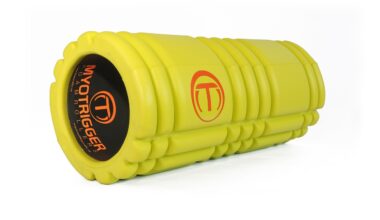
In addition to technique, warming up is crucial to develop and maintain explosive power during your sprint training. A proper warm-up increases blood circulation, enhances flexibility, and prepares your muscles for the effort ahead. Dynamic stretches such as leg swings and high knees improve muscle elasticity, reducing the risk of injury. Follow your dynamic stretching with short acceleration sprints to activate your muscle fibers. This saves energy during longer workouts and helps you achieve your sprint goals more effectively. Recovery after workouts is equally important, with practices such as foam rolling and static stretching allowing your muscles to recover and grow stronger post-training. Not only does recovery promote muscle health, but it also aids in avoiding fatigue during successive training days. Additionally, incorporating recovery principles into your training can help prevent overtraining, which may hinder explosive power development. Sleep is another integral aspect of recovery, as quality rest aids muscle repair and promotes better performance during training. Therefore, prioritize restorative sleep each night, targeting 7–9 hours. This helps your body adapt to the training demands and builds explosive power over time. Consistent attention to warm-ups and recovery ensures athletes realize their full potential.
The role of mental training in developing explosive power can often be overlooked. Engaging in visualization techniques helps athletes mentally prepare for sprints, fostering confidence and focus. Envision the race scenario—practice your explosive start and strong finish within your mind. This mental rehearsal builds a connection between your neural pathways and muscle memory, translating mental strength into physical performance. Additionally, mindfulness techniques improve concentration under pressure, which is crucial during sprint events. Addressing anxiety and channeling nerves can help maintain focus during workouts and competitive races. Goal setting provides an extra motivational boost. Establish both short-term and long-term objectives, focused on elements such as time improvements or personal bests, which give you specific targets to work toward. Tracking your progress not only highlights your achievements but also identifies areas needing improvement. Support from coaches and teammates also significantly contributes to mental training. Constructive feedback and encouragement can improve self-perception, leading to heightened self-confidence. Ultimately, fostering a strong mental aspect complements the physical training aspects, enabling athletes to achieve and maximize their explosive power during sprint events effectively.
Strengthening ancillary muscle groups is often an underrated component of developing explosive power for sprinting. Exercises that target lateral and diagonal movements, such as lateral lunges and cable woodchops, can substantially enhance overall muscle capacity. These movements engage stabilizing muscles that contribute to running efficiency and explosive power during sprints. Moreover, incorporating agility training aids in developing coordination, balance, and quick directional changes essential for competitive sprinting. Agility ladders and cone drills are effective training tools to maximize these skills. Furthermore, including resistance training can also lead to improvements in explosive power. Using resistance bands or weighted vests during sprints teaches your muscles to work harder against added resistance. Gradually increasing weight or resistance optimizes strength while maintaining speed and explosiveness. Remember to maintain proper technique even while using added resistance to prevent injury. Cross-training can also prove valuable in developing explosive power. Engaging in other sports can work complementary muscle groups, enhancing overall athleticism. Ensure your training plan balances sprinting with strength training, agility work, and cross-training for a comprehensive approach to developing explosive power in sprint events.
Nutrition is a key element in developing explosive power for sprinting, as the fuel you consume directly impacts performance and recovery. Consuming nutrient-dense foods that enhance energy levels aids in overall training efficiency. Focus on carbohydrates, which serve as the primary energy source during high-intensity sprints. Whole grains, fruits, and vegetables should be the cornerstone of your diet. Moreover, incorporating lean proteins like chicken, fish, or legumes supports muscle repair and growth post-training. For optimal recovery, consider timing nutrition intake to maximize energy replenishment, especially within 30 to 60 minutes after each workout. This period is crucial for muscle recovery and glycogen resynthesis. Healthy fats, like avocados and nuts, support hormonal balance, which is important for optimal athletic performance. Additionally, proper hydration must not be overlooked; drink plenty of water to keep your body functioning correctly. Dehydration can lead to muscle cramping and decreased performance, which ultimately can hinder your ability to exert explosive power. Lastly, consider consulting with a sports nutritionist who can help design a personalized meal plan. This tailored approach directly caters to your individual training and sprinting goals.
Finally, tracking your progress throughout training is imperative to developing explosive power. Establishing benchmarks allows athletes to see improvements over time. Keeping a training journal, noting times, distances, and feelings during sessions aids in identifying patterns and finding weakness areas. Emphasizing specific drills can help athletes focus on individual components of explosive power, gradually adapting their workouts to meet these needs. Regularly testing your maximum power output, speed intervals, and agility drills can provide measurable data, enhancing motivation. Furthermore, using technology, such as wearable fitness trackers, allows for accurate tracking of physical performance metrics and recovery points. These tools help optimize your training program, as data collection leads to informed decisions on your workout regimen. Engage in regular assessments to identify when improvement arises or plateaus. Adapt your training accordingly to maintain or enhance progress levels. Moreover, set performance objectives for upcoming competitions to help maintain an actionable focus. Celebrating small achievements helps create a positive outlook, reinforcing motivation during the process of improving explosive power for sprint events. In sum, coherent tracking and adjustments to training will unveil the full potential of an athlete’s explosive power.