
Post-Competition Recovery: What to Expect and How to Rebound
Post-competition recovery is a vital aspect often overlooked by athletes and competitors. After intense preparation for a fitness competition, the body’s recovery phase demands equal attention. It’s during this period when muscle repair, energy restoration, and psychological recovery take place. Thus, understanding the expectations of post-competition recovery can significantly enhance your rebound process. Expect to experience symptoms like fatigue, muscle soreness, and even slight weight fluctuation due to changes in diet and hydration levels. Prioritizing self-care and proper nutrition during this transition phase will aid your body’s natural recovery process. Create a recovery plan that includes hydration, nutrition, and rest. Establishing a routine can assist in alleviating lingering effects of the competition and will set you up for future success. Listening to your body is key. Allow sufficient time for your muscles, joints, and mind to recuperate without rushing back into high-intensity workouts. Embrace active recovery techniques such as light workouts and stretching, as these can facilitate muscle repair while helping prevent injury when regaining strength.
Nutrition plays a pivotal role in recovery. Focus on replenishing lost nutrients to support muscle healing after your competition. Consuming proteins, carbohydrates, healthy fats, and hydration should top your priority list. Aim for a balanced diet with a rich intake of vitamins and minerals to assist in the rebuilding process. Hydration isn’t just about drinking water; consider incorporating electrolyte solutions to combat dehydration. Additionally, meal prep can help you efficiently manage your nutritional intake during this recovery phase. Strive for whole, nutrient-dense foods while limiting processed options that may hinder recovery. Incorporating omega-3 fatty acids found in fish, walnuts, and flaxseeds can reduce inflammation and soreness. Alongside nutrition, adequate sleep is crucial for recovery, as it fosters hormonal balance and muscle growth. Establish a regular sleep schedule and create an environment conducive to rest. Monitor your body’s cues; if fatigue persists, allow for additional rest days to avoid the risk of overtraining and burnout. This mindful approach will set a strong foundation for your training journey and ultimately yield better performance in future competitions.
Physical Recovery Strategies
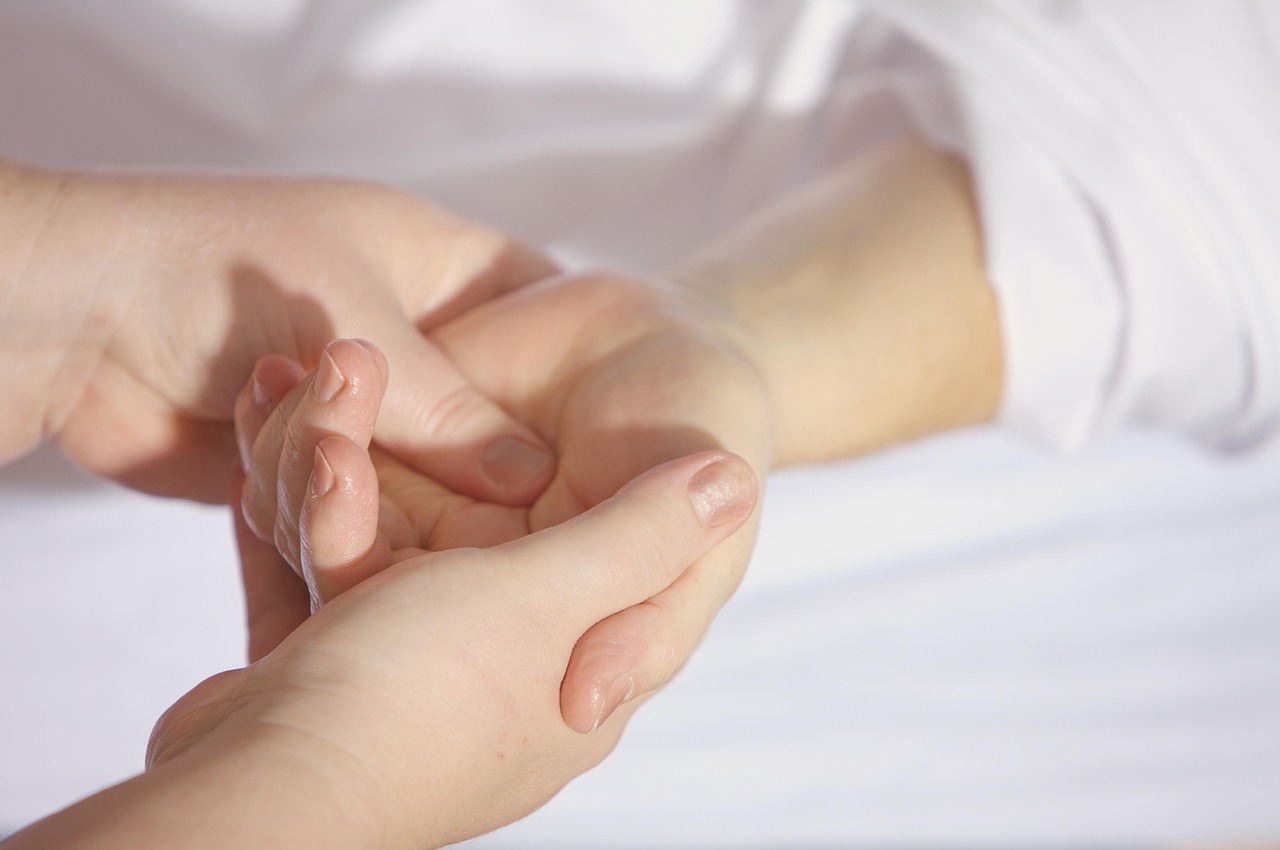
To optimize recovery, consider various strategies such as foam rolling, massage therapy, and gentle stretching routines. These techniques can significantly reduce muscle tension and promote blood circulation crucial to recovery. Foam rolling is exceptional for targeting tight spots that may cause discomfort following competition. Incorporate sessions of self-myofascial release into your routine, dedicating time to specific muscle groups that feel tight. If budget permits, consider scheduling a professional massage session. A skilled massage therapist can effectively alleviate muscle soreness and enhance blood flow, expediting recovery. Implementing yoga or pilates can also be invaluable. These practices enhance flexibility, stability, and strength, promoting a balanced body post-competition. Furthermore, engaging in low-impact activities, such as walking or swimming, can combat stiffness while boosting endorphin levels that foster a positive mood. Listen to your body while performing these activities. Strive for a gentle balance that challenges your muscles without risking strain. This gradual approach to physical recovery will allow you to reclaim your strength swiftly and efficiently, paving the way toward your future fitness goals.
Emotional and mental recovery is as important as physical recovery post-competition. Many athletes experience a sense of loss or anxiety after intense preparation and performance. It’s not unusual to feel pressure to achieve a better outcome in your next competition. Taking the time to process these emotions is essential. Establish practices that encourage mental well-being, such as journaling, meditation, or deep-breathing exercises. Connecting with fellow athletes can also help create a supportive network for shared experiences. Engage in conversations about your feelings and gather insights on coping mechanisms from other competitors. Accepting emotions and reframing setbacks as opportunities for growth can benefit your mindset. Set realistic goals for your next training cycle, understanding that recovery is inherently part of the process. Celebrate small victories along the way, taking pride in your commitment to self-care. This emotional and mental nurturing after competition can lead to improved focus and determination for your next fitness endeavor. Remember, mental resilience is built through both success and perceived failure. Embrace both as vital components of the journey.
Gradual Return to Training
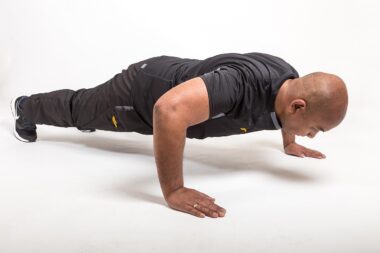
Returning to training should be approached gradually to minimize the risk of injury and overtraining. Recognize that your body has just been through a demanding phase, and it may take time to regain peak physical condition. Start with lower intensity workouts focusing on basic movements, incorporating range of motion, and functional exercises. Gradually increase the intensity as you feel stronger and more capable. A well-structured plan can provide clarity and direction during this transitional period. Tracking your workouts will allow you to notice patterns of progress, which can enhance motivation. Utilize variation in your training by mixing cardio, conditioning, and strength work. This diversity can keep your workouts fresh and exciting while also addressing different muscle groups. Additionally, cross-training can prevent stagnation and maintain interest. Remember, recovery isn’t a linear journey, and patience is necessary. It’s better to err on the side of caution, allowing your body to adapt fully before diving back into high-intensity workouts. Setting attainable goals will ensure you remain engaged and prepared to compete competitively again. Celebrate every bit of progress along the way!
As you navigate through your post-competition recovery, maintain a mindset focused on progress rather than perfection. Each athlete’s journey varies, and comprehension of your unique needs is crucial. It is perfectly normal to experience fluctuations in energy and motivation levels during this phase. Be sure not to compare your recovery journey to others’. Instead, concentrate on understanding your body and its responses. Take note of how various recovery strategies feel, adjusting them to match what works best for you. Prioritizing self-care during this transition boosts both physical and mental resilience. Stay adaptable and open to changing your recovery approach as necessary. Engage with coaches or trainers who understand these dynamics and can provide tailored advice. Seeking professional guidance can benefit your training journey tremendously. Establishing a support system through friends, family, or fellow competitors can create an encouraging environment to foster recovery. Using this time for reflection and recalibration will pave the way for your next achievements. Ultimately, embracing this recovery process can turn past experiences into valuable lessons for your continued growth.
Preparing for Future Competitions
With recovery well underway, it’s an excellent time to prepare for future competitions. Maintain a proactive mindset focused on enhancing your skills and knowledge. Assess performance outputs to identify areas of improvement from the previous competition. Discuss these insights with your coaches, as their perspectives can guide your training direction. Building a personalized plan targeting specific weaknesses can help optimize your approach this time. Setting milestones enables tracking progress and fosters motivation along the journey. Additionally, consider diversifying skills through workshops or classes outside your normal routine. Expanding knowledge and techniques will enhance your overall competency and boost confidence. Embracing time for education while focusing on the fun aspects of fitness can keep your passion alive. A well-rounded approach to training will ensure that you’re not only performing well but that you’re enjoying the process as well. All this preparation can transform previous experiences into stepping stones for greater achievements. With the right blend of dedication, persistence, and recovery methodologies, you’ll be well on your way toward success in your next fitness competition.
The post-competition recovery phase is essential for athletes who seek to sustain optimal performance for future events. The right strategies can significantly impact overall resilience and ability to rebound. Balance, discipline, and mindfulness during this period of recovery will ensure long-lasting benefits. Embrace recovery for what it truly is: an integral part of your fitness journey. Prioritize your physical and mental well-being, which matters just as much as preparing for personal bests. Finally, remember that each recovery will help shape your capacity to face future challenges with confidence. Setbacks are often opportunities in disguise, and by learning to navigate them gracefully, you become a stronger athlete and person. Celebrate both the victories and lessons acquired during your journey. Embrace the journey toward your next goal, and remain curious about fitness and wellness overall. Ultimately, you may find your most meaningful gains aren’t solely physical but in forging a more profound connection with your health, fitness, and self-determination. Approach the next competition with renewed vigor and a clearer understanding of what it means to achieve true recovery.