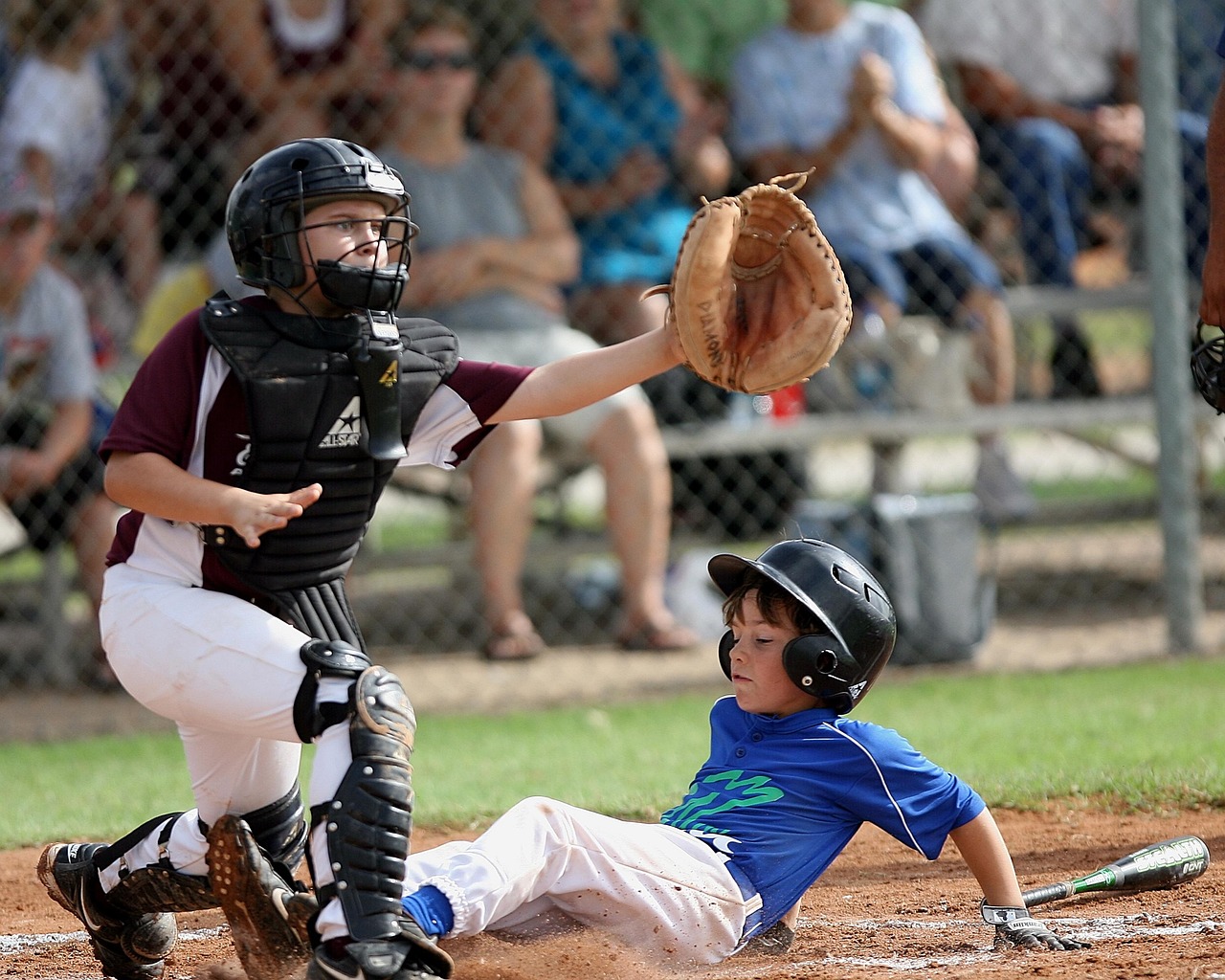

Training Mobility for Better Sliding Techniques in Baseball
Mobility drills are crucial for baseball players aiming to enhance their sliding techniques, as sliding is an essential skill that can directly impact game performance. The ability to slide effectively promotes player safety and helps avoid injuries during aggressive plays. By incorporating various mobility drills into their training regimen, players can improve their flexibility, balance, and overall body awareness. This improved flexibility allows for smoother transitions while approaching home plate. Furthermore, engaging in targeted mobility exercises enhances the ability to control body movements, resulting in more efficient and quicker slides. Proper technique during slides not only assists in safely avoiding tags but also aids in getting into scoring positions more effectively. Players who integrate mobility drills into practice routines tend to experience noticeable improvements in their sliding accuracy and speed over time. Through consistent training, they develop muscle memory that facilitates these skills during intensely competitive scenarios. As they master these movements, they become more confident baserunners, ultimately contributing to their team’s success on the field. In sum, prioritizing mobility work is vital for any baseball player who desires to elevate their sliding game.
Several effective mobility drills specifically cater to baseball sliding techniques and can be easily implemented into a player’s training program. One popular drill is the lateral lunge, which targets the groin, hips, and thighs, all pivotal areas for executing slides. To perform this drill, players stand with their feet shoulder-width apart and step to one side into a lunge, keeping the other leg straight to lengthen the muscles. A second drill, the dynamic hip opener, can significantly increase hip flexibility, which is crucial when attempting to maneuver into a slide. To perform this drill, players stand on one leg while lifting the opposite knee and rotating the hip outward before smoothly returning the leg to the ground. Additionally, the box jump exercise not only boosts explosive strength but also aids in improving the lower body’s overall agility and coordination. Successful execution of slides during games relies on powerful leg muscles and swift reactions, both of which can be cultivated through these drills. Overall, integrating mobility drills into practice is essential, as it prepares players for the physical demands of sliding in intense game situations.
Incorporating specific stretching techniques can greatly enhance mobility for baseball players, optimizing their sliding capabilities. Utilizing static stretches before and after sessions promotes flexibility and helps to prevent injuries that may arise during gameplay. For example, hamstring stretches improve the range of motion in the legs, which is imperative for executing smooth slides. Moreover, incorporating movements such as the pigeon pose can assist in releasing tightness around the hips, further contributing to fluidity in sliding. During warm-ups, players should focus on dynamic stretching routines that activate muscles while simultaneously increasing blood flow. One excellent dynamic stretch is the leg swing, where players swing one leg at a time in a controlled manner to engage the hip flexors and hamstrings. By integrating pliability and flexibility work into workout regimes, athletes may often notice increased performance and reduced discomfort while engaging in aggressive slides. It’s crucial that players also focus on breathing techniques throughout their stretching sessions, as proper breath control can enhance efficiency. As players prioritize their mobility and flexibility, they’ll be better equipped to face the demands of the game and avoid potential injuries.
Monitoring Progress and Setting Goals
It’s crucial for players to monitor their progress regarding mobility drills in order to achieve optimal sliding performance. Setting SMART (Specific, Measurable, Achievable, Relevant, Time-bound) goals is an effective way to track progress and maintain motivation. For example, a player may aim to improve hip flexibility by incorporating targeted stretches three times a week for a month. By keeping a training log, players can note improvements in flexibility, speed, and sliding technique after each practice session. This documentation will allow for a tangible reflection of their hard work, reinforcing the relevance of mobility training. Coaches can also play a key role by regularly providing feedback during practice, enabling players to refine their sliding technique accordingly. Introducing video analysis can serve as an excellent tool for players to observe their form during slides, identifying areas for improvement. As they work towards their goals, it’s essential that players consistently challenge themselves while remaining realistic about their current capabilities. This balance between ambition and practicality leads to enhanced performance both during training and competitive play, ultimately transforming their sliding executions throughout the baseball season.
Incorporating mobility-focused training into the overall practice routine engages both mental and physical aspects in baseball players, leading to better sliding techniques. Establishing a routine that consists of consistent warm-ups, mobility drills, and targeted stretches is essential for long-term success. Engaging in partner drills offers opportunities to practice sliding effectively with real-time feedback. For instance, players can pair up to practice approach angles before anticipating reactions. This collaborative approach assists in building confidence as players become accustomed to the movements involved in sliding. Additionally, fostering healthy competition among teammates can boost motivation and improve performance, making it a fun way to engage in serious training. Celebrating small victories and improvements will not only enhance morale but also build a stronger team bond. Regular assessment of individual progress reinforces the importance of commitment to the mobility training regimen. Implementing strength and conditioning elements will further support the skills necessary for effective slides. The key is to create an environment where striving for improvement is valued, ensuring that baseball players remain engaged, focused, and eager to refine their sliding techniques as they prepare for the competitive aspects of the game.
Injury Prevention through Mobility Training
One of the primary benefits of mobility drills for baseball players is injury prevention, particularly during high-impact movements like sliding. Sliding exposes players to potentially damaging forces; therefore, improving mobility reduces the risk of strains and sprains. Incorporating exercises that enhance joint range of motion is crucial. For instance, practicing deep squats increases overall leg strength while simultaneously preparing the knees and hips for slides. Additionally, this drill targets essential muscle groups critical for maintaining stability during movements. Players will also benefit from aerobic conditioning routines, which boost cardiovascular endurance while maintaining agility. Drills such as ladder exercises can enhance footwork and coordination, ensuring players can safely navigate challenging slides during play. Maintaining the right body weight also contributes toward injury prevention; by cultivating core strength through planks or rotational exercises, athletes can develop the necessary stabilization required during a slide. A versatile training approach centered around mobility strengthens their bodies against unexpected impacts as they dive into bases. Ultimately, consistent mobility training empowers players to not only improve their sliding techniques but to do so with minimal injury risk, impacting their performance positively.
The importance of mobility drills for baseball players cannot be overstated, as they play an essential role in developing sliding techniques that can impact game performance. Players who focus on improving their flexibility and mobility will find they can execute smoother and more effective slides. Engaging in these drills fosters body awareness and muscle coordination, leading to heightened performance on the field. Additionally, fellow players often become motivated to enhance their training routines, creating a culture of improvement within the team. They can seamlessly integrate mobility drills with strength training workouts, creating a comprehensive fitness plan. Focusing on physical health can encourage better concentration and confidence during games, allowing players to approach sliding situations with poise. Those who embrace flexibility training often notice improved energy levels, enhancing overall game performance. Furthermore, resilience built through dedicated training can empower athletes to face adversity with courage and confidence during critical moments in the game. It is through sustained practice and commitment that baseball players can achieve not only improved sliding techniques but also ultimately contribute to their team’s success throughout the demanding season ahead.