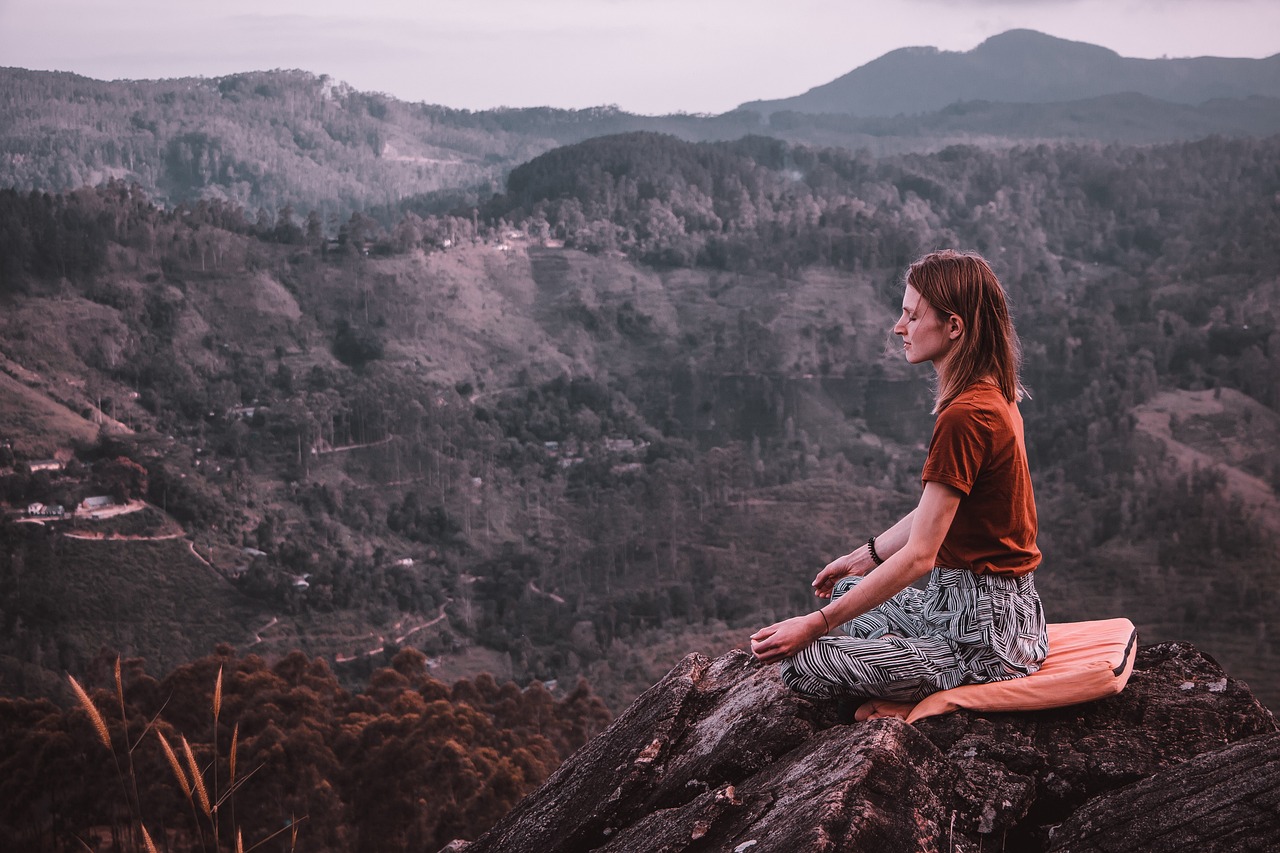

Combining Martial Arts Training with Mindfulness Retreats
Meditation retreats provide an opportunity to cultivate inner peace and awareness, and when combined with martial arts, they enhance the experience significantly. Participants often discover that martial arts can complement their meditation practices, as both revolve around discipline and focus. Engaging in physical training can cultivate mindfulness, creating a deeper connection between the body and mind. This synergy promotes overall well-being and personal development. Many find that martial arts serve as a powerful tool for navigating personal challenges, releasing stress, and refining mental clarity. During retreats, practitioners can explore various martial arts disciplines, including Karate, Tai Chi, or Judo, alongside meditation techniques focused on breathing and concentration. By integrating these practices into a daily routine, individuals can deepen their understanding of both martial arts and meditation. A retreat setting allows for an immersive experience free from daily distractions. Participants learn from experienced instructors who guide them through both rigorous training and meditative practices, ensuring a holistic approach. This blend of physical movement and mental stillness can uncover profound insights and transform one’s perspective on life, fostering resilience and mindfulness in everyday activities.
Participants in these unique retreats often share transformative insights, reflecting on the powerful union between martial arts training and mindfulness. Practicing mindfulness during martial arts training allows individuals to stay present, improving their performance and fostering self-awareness. Martial arts emphasize the importance of breathing, body alignment, and mental focus – elements that are crucial in meditative practices. Engaging in both practices synergistically cultivates a sense of balance and harmony within the self. Mindful martial arts training encourages self-discipline and respect, principles that define both arts. Meditation practices integrated into martial training often involve visualization techniques, helping practitioners to achieve their goals. By contemplating movement and intention, users can build confidence and resilience, vital traits for facing personal challenges. Retreat settings provide a supportive environment to cultivate these qualities, with community support encouraging growth and exploration. Workshops at these retreats may focus on various techniques, such as stress management or emotional regulation. Many individuals report heightened intuition and decision-making abilities from combining martial arts with mindfulness practices, leading to a profound understanding of both the body and mind. Ultimately, attendees leave with tools to integrate mindfulness seamlessly into daily life.
The Benefits of Mindful Martial Arts
Combining martial arts with mindfulness has numerous benefits worth exploring. First, it helps practitioners develop an acute sense of awareness, enhancing their reflexes and responses during training. This creates a solid foundation for executing techniques effectively. Moreover, individuals learn to harness emotional energy in positive ways, channeling anxiety and fear into focus and strength during training. This process not only applies to martial arts but also translates to everyday life challenges. The discipline cultivated through martial arts training encourages consistent practice. This dedication often leads to improved physical fitness, strength, and flexibility. Furthermore, practitioners can develop better communication skills through attentive listening and interacting with peers and instructors. Retreats offer a unique opportunity to build connections with fellow practitioners, reinforcing a sense of belonging within the community. Many find that the shared experience fosters friendships built on shared goals and spiritual growth. Practicing mindfulness alongside martial arts cultivates a non-judgmental attitude, enhancing sport performance and daily interactions. Participants often leave the retreat with renewed motivation and techniques for better emotional regulation, equipping them to tackle life’s challenges with poise and resilience.
At a typical mindfulness retreat combining martial arts, participants can expect a structured schedule catering to both physical and mental disciplines. Morning sessions often begin with meditation exercises, focusing on breath control and grounding techniques. Following these sessions, participants shift to physical training, applying mindfulness in action through martial arts practices. This interplay enhances cognitive functions and reinforces the intent behind movement. Breaks during the day also serve as opportunities for reflection and group discussions, creating a supportive environment for personal growth. Meals are typically wholesome, emphasizing nutrition to support the body’s demands during physical activity. Many retreats incorporate educational workshops, where attendees learn about mindfulness principles and techniques that apply both to martial arts and daily life. Evening sessions often conclude with relaxing practices designed to promote recovery and reflection, such as yoga or gentle stretching. Participants engage in practices to integrate lessons learned during the day into their personal journeys. Over time, they discover specific practices that resonate with them, creating a personalized approach to mindfulness and martial arts training that sustains their growth long after leaving the retreat.
Choosing the Right Retreat
When selecting a mindfulness retreat that integrates martial arts, individuals should consider several factors to find the right fit for their needs. First, evaluate the curriculum offered and whether it aligns with personal interests or goals. Some retreats may emphasize specific martial arts styles, while others provide a broader overview. Research the backgrounds and experience of the instructors, ensuring they possess credentials in both mindfulness and martial arts training. This dual expertise is crucial for maximizing the retreat’s benefits. Additionally, considering the retreat location is important—it should provide a serene and supportive environment conducive to mindfulness. Pay attention to the facilities available, such as spaces for practices, accommodation quality, and access to nature. Participant reviews or testimonials offer valuable insights into real experiences, helping to build confidence in the chosen retreat. Additionally, inquire about program length and schedule flexibility, ensuring it fits within personal commitments. By carefully considering these factors, individuals can select a retreat that promises a transformative experience, fostering growth in both martial arts and mindfulness practices, ultimately enhancing their overall well-being.
Furthermore, setting personal intentions before embarking on this type of retreat can significantly enhance the experience. Consider what you hope to achieve through the combination of mindfulness and martial arts training. Clarifying intentions, such as improving physical fitness, cultivating emotional resilience, or enhancing self-discipline, allows for a more focused approach during the retreat. Keeping a journal to document experiences, thoughts, and emotional realizations can be beneficial, providing a reference for self-reflection post-retreat. Many participants find that journaling enhances insights gained during training and meditation sessions. Sharing intentions with fellow participants can also create a supportive community, deepening connections and facilitating discussions around shared experiences. Active participation in group activities fosters trust, encouraging attendees to express themselves openly. After returning home, it is essential to integrate techniques learned during the retreat into daily routines. Setting aside time for regular meditation or martial arts practice reinforces growth. Establishing a structured schedule helps to maintain mindfulness in everyday life, thereby ensuring that the transformative effects of the retreat continue to unfold long after the experience.
The Role of Community
A significant benefit of attending mindfulness retreats that incorporate martial arts is the sense of community formed among participants. This communal aspect often facilitates deeper connections, enabling people to share their experiences, challenges, and insights. In a supportive environment, individuals can express vulnerability and growth, fostering meaningful friendships. These connections significantly enhance the learning experience, as attendees exchange ideas and perspectives on integrating mindfulness with martial arts training. Community discussions during meals and relaxation time provide opportunities for reflection, reinforcing practices shared throughout the day. Each participant brings their unique story, enriching the collective experience through diverse backgrounds. By coordinating group exercises and partner training, participants also develop trust and camaraderie. After the retreat, maintaining these connections can contribute to ongoing practice and shared journeys toward mindfulness. Many find that having accountability partners enhances commitment to personal development. Virtual meet-ups or continued online forums can help sustain community engagement even after the retreat concludes. Individuals can continue encouraging each other while sharing updates on their progress as they integrate lessons learned into their daily lives, further amplifying the impact of their retreat experience.
In conclusion, combining martial arts training with mindfulness retreats offers a unique pathway to personal growth and self-discovery. The integration of these disciplines fosters a holistic approach to well-being, addressing both physical and mental health. Participants emerge from these experiences with not only enhanced skills in martial arts but also a deeper understanding of themselves and their surroundings. The skills gained can be applied to daily life, transforming challenges into opportunities for growth. Furthermore, establishing a routine of both practices allows individuals to maintain the transformative benefits long after the retreat ends. People become equipped to navigate their everyday lives with renewed energy, clarity, and resilience. The friendships formed during retreats often lead to ongoing support and engagement with like-minded individuals, reinforcing the benefits acquired. Attendees are encouraged to continue cultivating their mindfulness practices while exploring martial arts, thus merging physical activity with mental calmness. Embracing this holistic approach promotes overall wellness, sustaining each practitioner’s growth journey. Ultimately, the combination of martial arts and mindfulness can reshape one’s approach to challenges while fostering a balanced lifestyle enriched by discipline, self-awareness, and lasting peace.