
The Role of Relaxation in Preventing Burnout Among Senior Athletes
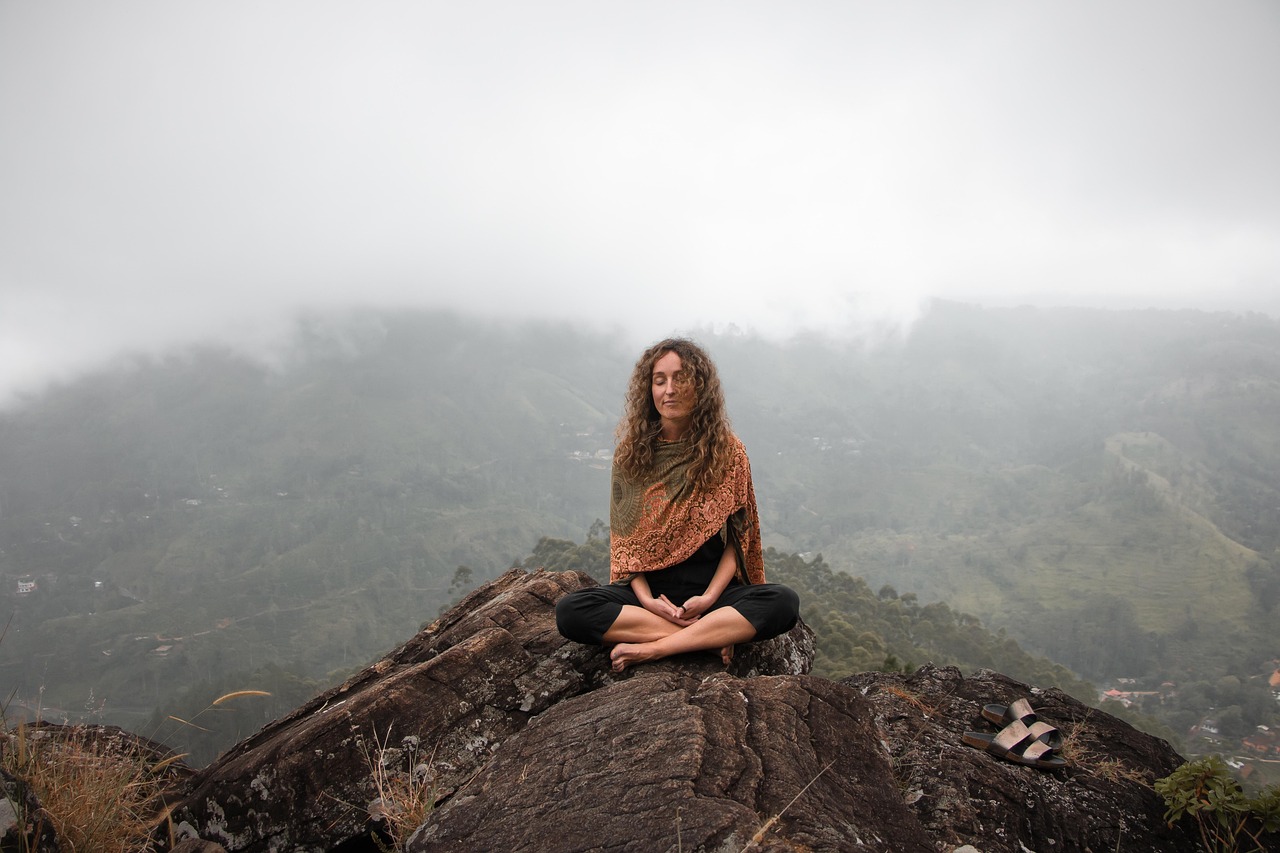
As aging athletes face both physical and mental challenges, relaxation plays a crucial role in promoting their overall well-being. A well-structured relaxation routine can aid in reducing tension and stress levels, allowing senior athletes to recover effectively from strenuous workouts. Engaging in guided meditation techniques can help these individuals achieve a sense of calm and tranquility, clearing their minds from distractions. Moreover, integrating relaxation into their health regimen cultivates resilience, enabling athletes to better manage obstacles. To incorporate relaxation techniques into their lifestyle, seniors should explore different practices, such as deep breathing exercises, progressive muscle relaxation, or mindfulness meditation. Each method provides a unique approach to alleviating stress, ultimately enhancing athletic performance. It is essential for seniors to find a practice that resonates with them, as this personal connection encourages lasting commitment. Consistency is key; regular relaxation sessions can improve focus and mental clarity, directly influencing performance outcomes. Additionally, relaxation fosters a positive mindset, reducing anxiety and frustration linked to competition. In return, this mental peace allows senior athletes to perform their best while enjoying the process. Evaluating relaxation practices is beneficial for long-term success.
Several studies have shown the importance of meditation and relaxation methods among senior athletes, revealing significant benefits for their physical and mental health. Engaging in regular relaxation techniques can lead to reduced cortisol levels, which is critical for preventing burnout. High cortisol levels may lead to fatigue and anxiety, directly affecting performance. By engaging in guided meditation sessions, seniors can lower their stress response and achieve a more balanced emotional state. The ability to reset and recharge helps them manage physical stress effectively. Moreover, relaxation plays a vital role in enhancing recovery after intense workouts. Proper relaxation allows the body to repair itself, reducing muscle soreness and stiffness. It also supports mental rejuvenation, ensuring that athletes return to training both physically and emotionally refreshed. Ensuring adequate rest and recovery is crucial for older athletes, as they require more lengthy recovery periods compared to younger individuals. This is where relaxation can be especially advantageous, improving overall recovery time. Therefore, it is essential for senior athletes to prioritize these essential aspects of their training regimen. Their long-term performance hinges on training smart and allowing themselves time to heal and grow.
The Psychological Benefits of Relaxation
Emphasizing relaxation can lead to profound psychological benefits for senior athletes. Regular mindfulness practices enhance emotional stability and overall mental acuity, both crucial for athletes in competitive environments. Adopting techniques such as visualization during meditation can empower athletes, helping them focus on goals while alleviating pressure. This mental preparation is essential during competitions where stressors can detract from optimal performance. Through relaxation, senior athletes learn to cultivate patience, fostering a greater sense of control as they navigate challenges in their physical pursuits. Furthermore, cultivating a meditative mindset fosters greater self-awareness. This awareness allows athletes to recognize physiological signs of burnout, enabling proactive measures. From identifying tension in their bodies to understanding mood fluctuations, these practices empower athletes to seek self-care when needed. This understanding can also positively reshape their training approach, adapting workouts to better suit their evolving mental state. Additionally, relaxation cultivates adaptability, an essential trait for older athletes. Therefore, they become more flexible in managing setbacks. The ability to respond positively to disappointments can mitigate feelings of frustration, promoting a healthier attitude towards sport participation. Ultimately, these mental tools help senior athletes thrive in competitive and recreational settings.
Another significant aspect of relaxation for senior athletes is its relationship with sleep quality. Proper relaxation techniques can drastically improve sleep patterns, crucial for athletes’ recovery and performance. Lack of sleep can severely impair cognitive function, focus, and reaction time, subsequently endangering their results. By integrating guided meditation right before bedtime, seniors can signal their body that it is time to unwind, promoting deeper sleep. Through steady breathing and calming visualizations, these relaxation exercises allow individuals to transition seamlessly into restorative sleep cycles. The quality of sleep directly correlates with performance; well-rested athletes can approach training and competitions with greater energy and focus. Additionally, better sleep enhances mood and anxiety regulation, contributing significantly to a positive outlook. With a powerful interplay between relaxation and sleep, seniors may find that maintaining a healthy sleep schedule translates into improved results during competitions. It’s advisable for senior athletes to create a sleep-friendly environment to maximize relaxation and overall health. Limiting screen time before bed and establishing a calming bedtime routine can further enhance sleep quality. This holistic approach towards integrating relaxation ultimately leads to improved performance, increased enjoyment, and longevity in sports.
Techniques for Effective Relaxation
Practicing relaxation techniques does not have to be daunting for senior athletes. There are numerous effective methods that can easily be incorporated into their daily routines. For starters, deep breathing exercises serve as a simple yet powerful tool to alleviate stress anytime, anywhere. Athletes can practice inhaling deeply through their nose and exhaling slowly through their mouth, focusing solely on the breath. This practice encourages relaxation and reduces racing thoughts. Additionally, progressive muscle relaxation (PMR) is an excellent technique for athletes to consider. By systematically tensing and releasing muscle groups, seniors enhance body awareness, facilitating a quicker transition into a relaxed state. Other options include yoga or tai chi classes that promote gentle movements while focusing on breath and relaxation. These practices improve flexibility while cultivating a sense of inner peace. Guided visualization is yet another effective method that encourages athletes to imagine themselves excelling in their sport, fostering a sense of positive anticipation. Moreover, listening to calming music during meditation or relaxation sessions can enhance the experience. Overall, it is crucial for seniors to explore various options to find what resonates best with their needs and preferences.
Maintaining a supportive social network can significantly contribute to relaxation among senior athletes. Engaging with like-minded individuals, whether in person or through online platforms, provides a powerful source of motivation and encouragement. Sharing experiences and relaxation techniques with peers creates a sense of community, fostering emotional resilience. Group classes or guided meditation sessions can create opportunities for seniors to connect and share their journeys, enhancing emotional well-being. This social component strengthens their commitment to mental health practices and combats feelings of isolation often experienced in senior athletic circles. Furthermore, creating a positive home environment encourages relaxation by reducing stressors that may hinder athletic performance. Seniors should consider minimizing distractions and establishing a healthy work-life balance, which includes setting boundaries around training and personal time. When athletes dedicate time to personal interests and relaxation, they cultivate physical and emotional wellness. It also aids in achieving a well-rounded lifestyle that appreciates life beyond sport. By actively engaging in relaxation practices and supporting connections, seniors foster a nurturing environment conducive to sustained passion and enjoyment in their athletic pursuits. Ultimately, the synergy between relaxation and community activates their full potential.
Conclusion
In summation, relaxation proves vital in preventing burnout among senior athletes, facilitating physical recovery and mental well-being. By integrating guided meditation, focused breathing, or mindful practices into their routines, these individuals foster resilience that sustains better performance outcomes. The psychological benefits of relaxation cannot be overstated; emotional stability, improved sleep quality, and adaptability directly translate to athletic success. Furthermore, exploring various techniques encourages seniors to discover what uniquely enhances their personal experience. Fostering supportive social connections weaves a network of encouragement that reinforces a commitment to relaxation and well-being. This holistic approach to senior athletics reaches beyond the physical realm and emphasizes mental health as a core pillar of success. As such, adopting a balance between training and relaxation is key to lifelong enjoyment of sport. Athletes who prioritize relaxing techniques not only avoid burnout but also cultivate meaningful relationships with their athletic pursuits. Likewise, by forging strong connections and embracing relaxation practices, seniors can truly thrive, both in their sport and their daily lives. Ultimately, the combination of relaxation and athletic performance builds a fulfilling path for a vibrant and active senior lifestyle.
Seniors face unique challenges in fitness. Heart disease, arthritis, and osteoporosis are prevalent, impacting athletic performance. Therefore, tailored exercise regimens and mindfulness practices become increasingly important. Establishing a balance between intense workouts and relaxation helps seniors maintain longevity in their athletic pursuits. It is crucial for senior athletes to adjust their training based on their physical limitations. This often requires working alongside fitness professionals who understand age-related challenges. Moreover, these tailored programs should include activities that foster strength, flexibility, and balance. Integrating forms of exercise such as high-intensity interval training, yoga, or swimming also aids recovery. Furthermore, the role of relaxation techniques cannot be understated; promoting a holistic approach ensures well-rounded fitness. Regular assessment of progress and willingness to adapt routines help athletes avoid burnout. In addition, deciding when to rest is considered a vital skill for all older athletes. This empowered decision-making allows seniors to prolong their careers while enjoying improved quality of life. Seeking education about both physical and mental health contributes to successful aging. Support from family, friends, and professionals provides additional motivation. Communities benefit when senior athletes embrace fitness as a lifestyle, inspiring others in their circles.