
Improving Hand Placement for Better Ball Control in the Post
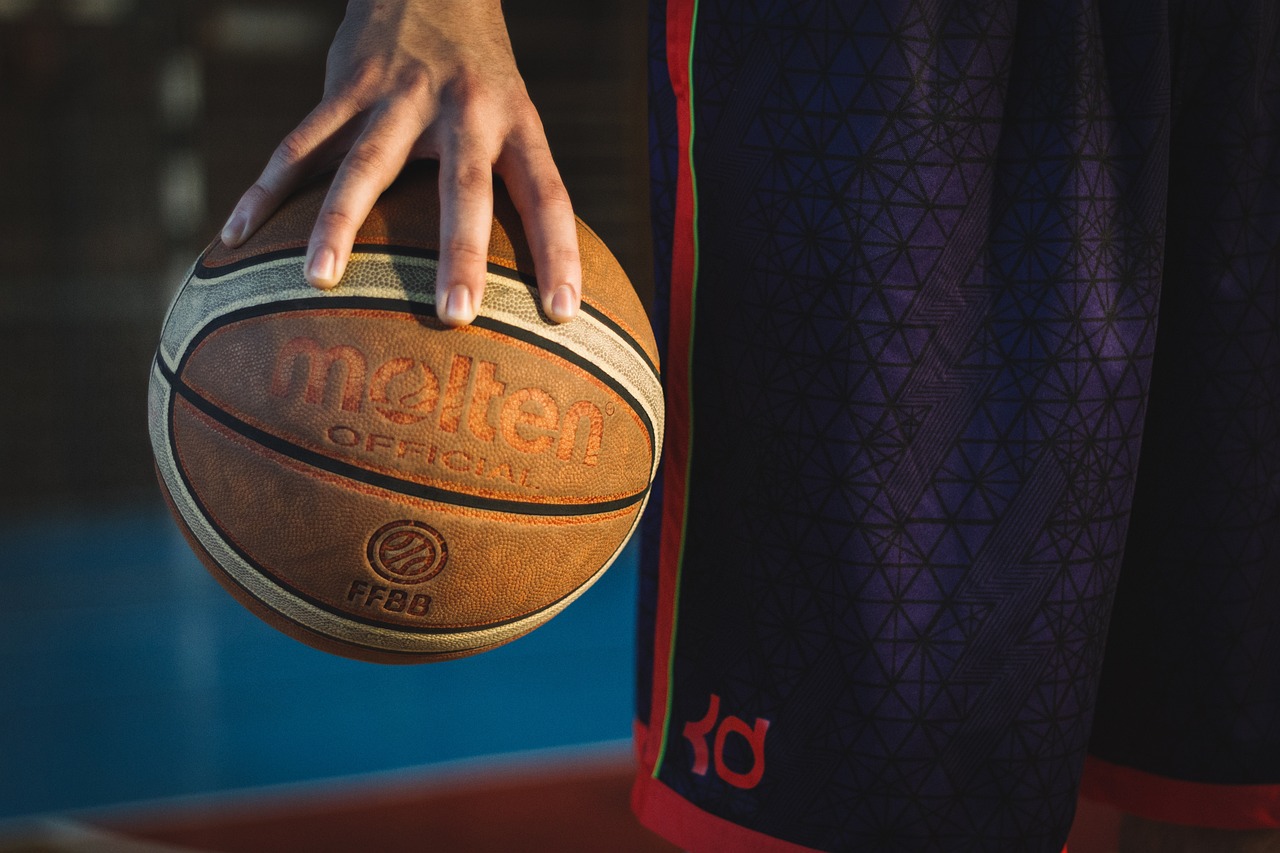
To excel at basketball, mastering post moves is crucial for players. A vital aspect of these skills is developing proper hand placement on the ball. Many players tend to grip the ball too high or low, leading to ineffective control and poor shooting results. Adequate hand positioning helps in executing post moves more efficiently, keeping the defender off balance. Begin by understanding the anatomy of your hands in relation to the basketball. Ensure your fingers are spread and your palm isn’t fully on the ball. The rise and fall of your fingertips enable significant control and leverage while making moves. Practicing footwork alongside hand placements will instill a routine that supports better control. Establishing habitual practices will lead to natural implementation during games. Furthermore, practice different passing techniques that can be integrated into your game. This will open up opportunities for creativity when executing plays. Finally, consistent repetition of drills focused on hand placement will yield more dividends during competitive scenarios. Players who invest effort here will likely see their effective scoring opportunities rise, along with improved overall performance on the court.
Consistent practice is one of the keys to mastering basketball skills. Particularly, developing hand placement for ball control in the post requires some focus on specific drills. For example, work on dribbling with both hands while maintaining control over the ball using the correct hand placement. This supports your ability to maneuver swiftly while maintaining ball security. In addition, isolation drills are beneficial. An example is the ‘post-up’ where you simulate getting into position against an imaginary defender. Assess how changing your hand placement affects your moves towards the basket. Experimenting with both hands during these drills will allow for increased versatility in your game. Try incorporating moves like drop steps, up-and-unders, and hook shots. Each of these techniques demands precise hand control. Analyze the difference in your shooting percentage when using improved hand placement during your practice sessions. During game simulations, note how well you can utilize these placements against defenders. This exercise enhances your feeling of confidence when executing moves in actual match situations. Finally, keep an open mind to adjusting hand placements regularly during practice as it may greatly influence your overall gameplay resilience.
Applying Techniques for Better Execution
As you build familiarity with hand placements, developing a routine is essential for smooth on-court performance. Start by categorizing various post moves based on their complexity and the required hand placements. This structured approach helps in gradually increasing skill levels. For instance, begin with basic techniques like the jump hook and work your way to more advanced movements like the euro step. Record videos of your post-up practices to assess hand positions during these moves. Observing your technique allows for immediate corrections and adjustments. Feedback from coaches or peers can also provide valuable insights. By analyzing body mechanics and hand placements on the ball, it becomes evident what to focus on. Emphasize controlling the dribble with your dominant hand while placing your other hand strategically for balance and support. Practicing drop step pivot moves with proper hand placement can lead to successful finishes at the rim. Eventually, concentrating on how these techniques integrate together will solidify your skill set. Understanding how each move connects will improve your overall decision-making capability during games, enhancing your off-the-ball skills and creating space against defenders.
In addition to controlling the ball in a post position, developing a protective hand is crucial. While you maneuver around defenders, your off-hand should provide a barrier, thus protecting the ball from being stolen. This technique is most effective when performed with your arms slightly bent, allowing for better balance and reduced exposure to defenders. While executing moves, it’s essential to maintain an athletic stance, possessing a low center of gravity that gives you additional stability. As you perform post moves, remain fluid yet controlled, adjusting hand placements for rebounds and subsequent ball control. Awareness of a defender’s positioning is vital. With keen observation, you can quickly adjust hand placements based on the defender’s movements. Utilize change of speed when setting up your moves. This strategy creates space, allowing for clean execution of footwork and finishing touches around the rim. Aim to implement this during friendly matches or practice games to make it feel instinctive in pressure situations. Attaining fluidity in these movements provides an advantage, showing how you’ve trained irrelevant habits that will only benefit you once executed during games. Therefore, consistently solidifying footing and understanding hand positioning maximizes scoring potential instead of being easily disrupted by opponents.
Developing Muscle Memory through Repetitions
One of the objectives in honing hand placements is fostering muscle memory, which allows players to execute skills without conscious effort. To build muscle memory, immerse yourself in repetitive practice focused on the correct placement of hands. Start with stationary dribbling and allow yourself to experiment with ball control techniques. Gradually increase intensity levels by introducing movement – dribble while performing small shifts and lateral movements. Frequently drill shooting from different post positions with specific attention to hand placement as you execute your shots. As you become accustomed, elevate your practice to incorporate simulated defensive pressure. Work with teammates or coaches who can challenge your skills by presenting varying levels of resistance and defensive movements. Change up routines to prevent stagnation, and keep sessions fresh and motivating. Mindfulness is equally important; visualize yourself in game scenarios to mentally prepare for fluid hand placement. Therefore, commit the variations of hand movements into your conscious thinking and then transition them to reactions under pressure. This mental-physical connection is crucial as it will bridge practice into game situations, solidifying skills needed to thrive and capitalizing on scoring opportunities effectively.
Acknowledging the psychological aspect of basketball is also essential. Assuring yourself that your hand placements are correct leads to increased confidence in your post moves. Confidence, in turn, significantly affects the way you perform during games. Understand the pressures that come with executing these moves under tight defensive scrutiny. Managing stress through mindfulness techniques can create a mental balance necessary for elite performance. Envision successful outcomes each time you practice hand placements, which will build a positive mindset. As you progress and begin to see improvements, remind yourself of the dedication required to develop these skills. Make an effort to incorporate simulated competitive scenarios into practice to emulate real-game experiences. By confronting various defensive plays, you can adapt your hand placements in real-time. Practicing within a small group is invaluable as players can give feedback, enhancing peer learning while refining moves. Draw motivations from professional players noted for stellar hand placements and ball control. Watch their games critically through slow-motion video analysis to observe the subtleties in their techniques. Ultimately, love where you are right now in the learning process while envisioning where you want to be enhances your aptitude on the court.
Conclusion: The Path Forward
Improving your hand placement and ball control in the post takes dedication, practice, and mindset adjustment. Effective training should cover various aspects: proper grips, footwork coordination, and utilizing drills that reinforce muscle memory. The road to mastery will be filled with challenges, including overcoming defensive tactics employed by opponents. Yet, by focusing on consistent hand placement practice, you will supersede those challenges. Develop goals that target specific techniques, and track your progress over time. Document advancements with video as a form of self-assessment while also seeking constructive feedback from coaches. Ensure your practice environments regularly simulate game conditions for maximum effectiveness. Remember, in basketball, muscle memory coupled with the right mental state is paramount. Aim to cultivate a love for training while fostering resilience against external pressures. Collaborating and sharing experiences with fellow players can equally spark motivation. Attend camps or clinics focused on post play and ball handling for more insights. In summary, success in the post begins with understanding the foundation of hand placement for better ball control; embrace adversity and watch your skills evolve dramatically.
Ultimately, the effects of improved hand placement in basketball extend beyond the court. This skill translates into increased confidence through enhanced performance, creating opportunities on both individual and team levels. Strong ball control leads to better decision-making, quick passes, and deeper engagement during plays. Establishing effective habits during practice sessions cultivates an environment where players can thrive. Make the commitment to investing in your skills; the rewards will manifest on the court, leading to a more dynamic playing style. Enhance your learning curve by attending specialized training sessions or clinics aimed at refining post play techniques. This inclusion will help broaden your understanding and application of principles discussed here. With a focus on hand placements, post moves become fluid movements integrated into gameplay. Develop a network of mentors or peers who share similar goals for accountability and encouragement. Gather resources from books and online materials specific to basketball techniques that emphasize hand control. Lastly, persistently push your limits within practice by embracing cross-training to improve overall athleticism. With time, anyone can enhance their skills, leading to confident execution and successful results during games.