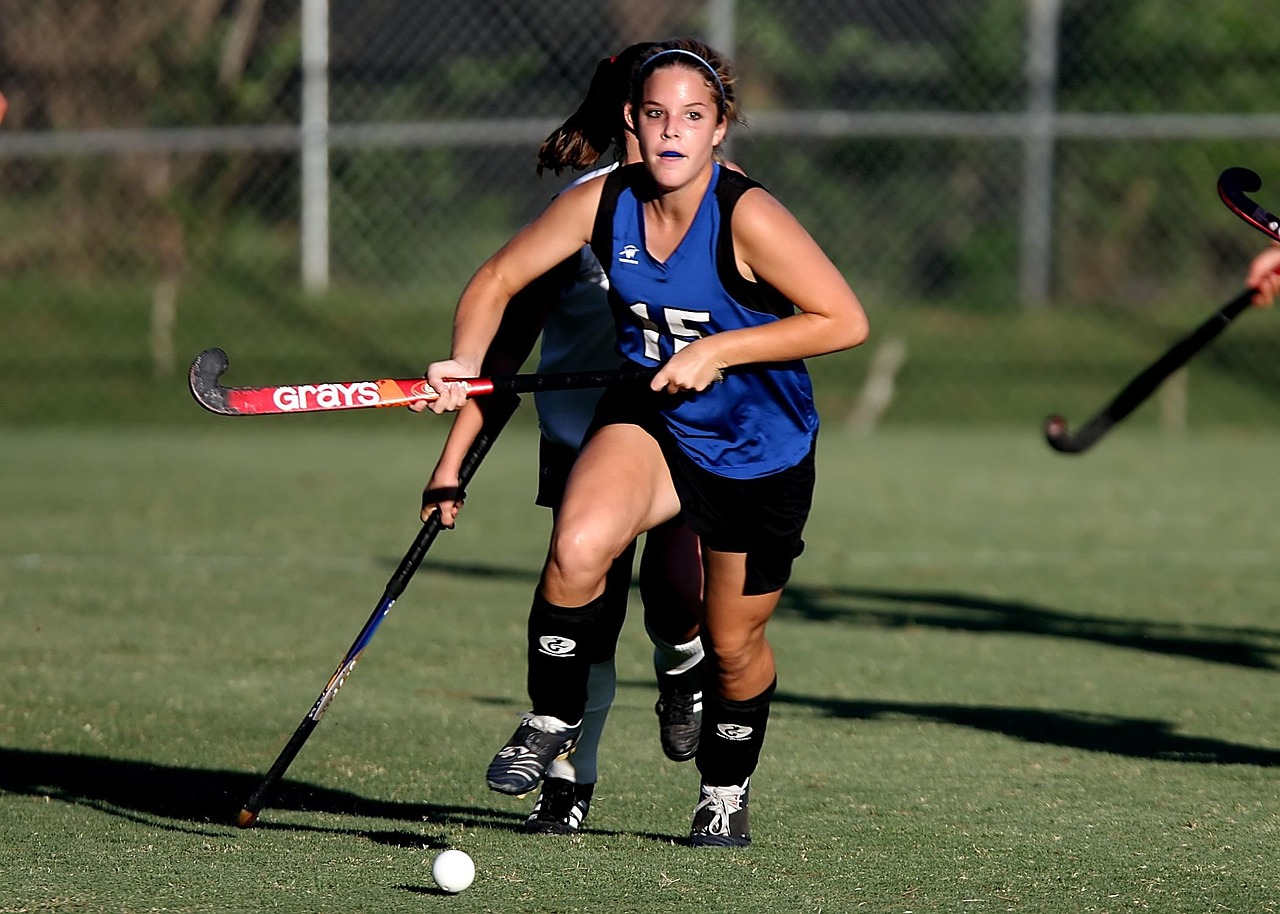

Designing Drills to Enhance Field Hockey Passing Accuracy
Field hockey is a fast-paced sport requiring excellent passing skills. Coaches play a vital role in improving players’ abilities to pass accurately under pressure. One effective way to boost passing accuracy is through structured drills. These drills should focus on fundamental techniques and situational decision-making. Incorporating varied passing distances and angles can further enhance players’ experiences. For instance, using short, medium, and long-range passes during drills will prepare players for game situations. Coaches can also simulate game-like scenarios where players must quickly make accurate passes under defensive pressure. Adding movement into the drills can help replicate the dynamic nature of the game. Coaches may use equipment such as cones to create specific passing lanes and target areas. Timed passing drills challenge players to execute precise passes within a limited timeframe, which often mimics match conditions. Feedback and progressive challenges during training can help players adapt and improve over time. Importantly, celebrating small successes during practice can foster confidence in players as they hone their passing skills. An environment encouraging continuous learning will greatly benefit individual and team performance in field hockey.
Key Elements of Effective Passing Drills
Effective passing drills must include fundamental elements to enhance skills. Drills should focus on the basic techniques of passing, such as grip, stance, and the follow-through. Coaches should emphasize using the correct part of the stick to ensure accurate passes. It’s crucial to establish targeted goals for each drill. That means players know what specifics to aim for during their practice sessions. Incorporating feedback loops helps players understand what adjustments they need to make for improvement. Additionally, practicing with both dominant and non-dominant hands enhances ambidextrous skills, allowing players to be versatile during games. Movement patterns should be introduced, as stationary passing does not reflect actual game situations. Setting up pairs or small groups allows for engaging interactions and practice opportunities. Utilizing various passing drills, such as wall passes, target shooting, and passing under pressure can keep sessions varied and stimulating. Coaches can monitor progress through structured assessments and adaptations to drills. Ensuring drills remain fun and challenging will likely lead players to commit to repetitive practice, which is essential for mastering passing accuracy in field hockey.
One effective drill to enhance passing accuracy is the “Triangle Passing Drill.” In this drill, players form a triangle, ensuring they are at equal distances from each other. This setup allows players to practice different types of passes—flat, aerial, and reverse. Coaches can implement restrictions, such as limiting touches or increasing the speed to up the intensity. Such modifications encourage quick decision-making under pressure while still focusing on accuracy. Further strengthening this drill, players can be asked to communicate their intentions before passing, promoting vocal leadership on the field. Another drill worth considering is the “Passing Gates Drill.” Coaches set up two cones to create a narrow passing lane. As players attempt to pass through this lane, their accuracy is tested, mirroring real-game environments where passes must be precise. Incorporating movement is key, leading players to execute successful passes while running. Introducing a defender can increase the challenge, pushing players to find and create spaces for passing effectively. These drills target different aspects of passing accuracy, from technique to decision-making, ensuring comprehensive skill development for field hockey players.
In addition to technical drills, conditioning is essential. Incorporating fitness elements into practice helps players become physically prepared for games. A fit athlete can execute accurate passes even during high-pressure moments. Coaches should integrate agility drills focused on quick reflexes and movement into their training sessions. These drills can include ladder work or cone sprints, helping enhance lateral movement and explosiveness. As players become more agile, their ability to position themselves for effective passing improves significantly. Emphasizing teamwork within drills fosters collaboration, leading to better understanding among teammates during games. One exercise could be a modified game of “keep-away,” where players pass while defending against opponents. This collaborative environment builds trust and communication skills. Creating competitive scenarios tied to conditioning will engage players while enhancing passing skills. It’s important to reward good passing techniques, reinforcing positive behaviors in practice. Coaches can also record sessions to provide visual feedback to players for further learning. This combination of fitness, collaboration, and recognition creates a well-rounded training environment, increasing players’ passing accuracy and overall performance in field hockey.
Feedback and Adaptation Strategies
Continuous improvement is essential in sports coaching, particularly in enhancing passing accuracy. Regular feedback helps players understand their strengths and areas for development. Coaches should offer constructive criticism based on observation during drills, ensuring a supportive atmosphere. Additionally, using technology like video analysis can provide players with immediate visual feedback on their passing techniques. Recording practice sessions allows coaches to highlight specific moments during feedback discussions. Players can see firsthand if their stance or grip affects their passing accuracy. Moreover, it’s beneficial to promote self-assessment among players, encouraging them to reflect on their performance independently. Coaches might consider implementing peer feedback mechanisms where players offer insights to one another. This approach fosters a collaborative learning environment and encourages teammates to take ownership of their progression. Adaptation of drills based on feedback is equally important. Coaches should be open to modifying difficulty levels to match players’ skill sets, ensuring continued challenge and engagement. Enabling players to contribute ideas to drills fosters engagement and ownership over their development process. Creating an adaptive coaching approach ensures that training remains relevant and effective in developing accurate passing skills.
In conclusion, the aim of enhancing passing accuracy in field hockey involves a combination of precise drills, fitness conditioning, and mutual support. Through a range of structured drills focusing on technique and situational awareness, players gain proficiency and confidence in their passing abilities. Conditioning elements further empower athletes physically, ensuring they can maintain performance during demanding conditions. The importance of feedback, both from coaches and peers, cannot be understated—this creates a learning culture that encourages growth and adaptability. Players are more likely to succeed when they are integral to the development process, fostering autonomy and collaboration. Keeping drills dynamic and enjoyable encourages a sustained commitment to practice. By incorporating technological resources such as video analysis, the continuous improvement cycle becomes more precise and effective. The collaborative approach also enhances team dynamics, improving communication and trust among players. In this collaborative and adaptive athletic environment, players not only aspire to enhance their individual skills but contribute to collective team performance. Through the ongoing dedication to refining passing accuracy drills, coaches can significantly elevate the competitive edge of their teams in field hockey.
Emphasizing the need to create a practice structure that stimulates progressive improvement is crucial. Including a variety of drills that challenge players in different ways contributes to a holistic development approach for field hockey players. Coaches should continuously assess the effectiveness of their drills and be willing to innovate and adapt when required. Maintaining a clear focus on the goal of achieving enhanced passing accuracy should always be the core intent behind every drill executed. Moreover, coaching that prioritizes player engagement and enjoyment ensures a positive atmosphere conducive to growth. This way, players remain motivated to participate actively and strive for excellence. It is necessary to routinely assess the progression of each player’s skills while maintaining a balance between competition and cooperation. As players progress, reviewing their successes and learning points from each drill promotes accountability. Ultimately, successful practice routines enable players to translate their improved skills seamlessly into match performance, thereby raising the overall level of skill within the team. By adopting these principles, coaches can significantly impact their players’ effectiveness in field hockey, leading to improved overall team performance.
Lastly, field hockey coaching encompasses not only technical development but also the mental aspect of the game. Developing a player’s mental resilience will underpin their ability to handle game pressure, particularly when executing passes. Coaches must cultivate an awareness of mindset and focus during practice sessions. Teaching players visualization techniques can help them prepare mentally for high-pressure scenarios on the field. Additionally, promoting positive self-talk can enhance confidence when making passes under stress. Incorporating mindfulness exercises during warm-ups can help players maintain composure and presence during matches. Establishing a culture of mental toughness within the team is vital for success during competition. Coaches should facilitate discussions around anxiety management and performance strategies. Understanding the importance of emotional intelligence in sport can help players manage their feelings during critical moments. The interplay between the technical and mental components of field hockey is essential for developing well-rounded athletes. Combining robust passing drills with mental conditioning approaches will ultimately enhance passing accuracy. Mental performance training should complement physical practice, ensuring players are prepared comprehensively for the demands of the game. In conclusion, embracing this comprehensive coaching philosophy will lead players to success in field hockey.