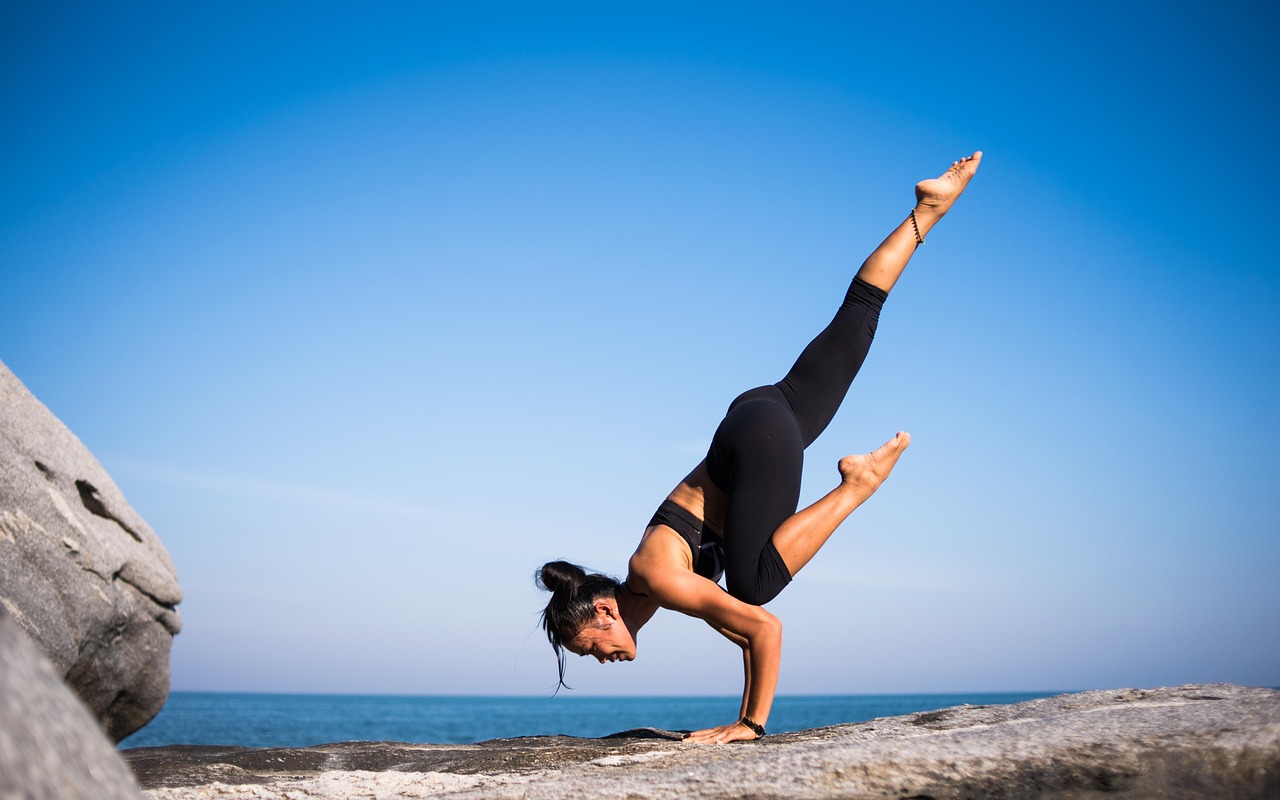

Advanced Techniques for Improving Balance and Stability
Achieving balance in yoga is a cornerstone of practice, especially with advanced techniques. Focus on deepening your understanding of your body’s alignment. Begin by grounding yourself firmly through your feet in standing poses. Practicing poses such as Tree Pose or Warrior III enhances stability. In both poses, concentrate on one leg while maintaining an erect spine. Adjust your gaze to a fixed point, as this can prevent distractions and improve focus. Gradually try to hold these asanas longer than usual, thereby building endurance and focus. Furthermore, incorporating props, such as a wall or chair, can enhance your stability. As you master these poses, consider building a sequence that challenges your balance progressively. A flow of postures can dynamically integrate elements of balance, involving transitions to foster a sense of movement and stability. In addition, consistent practice will lead to muscle memory, making balance become second nature. Combine these techniques with breath awareness; synchronize your inhaling and exhaling to foster calmness and stability. Enhance your practice by joining classes or workshops, connecting with others on a similar journey of enhancing balance and stability.
Another effective method to improve balance involves integrating stability balls into your routine. Using a stability ball engages core muscles significantly, promoting better balance. Set aside specific training sessions focusing primarily on maintaining stability while seated on the ball. Many yoga practitioners often overlook the importance of the core in various poses. Incorporate exercises like planks while balancing on the ball to enhance your core strength. Gradually increase the duration, and challenge yourself to perform traditional yoga poses like Warrior or Crescent Lunge on the ball. This unconventional practice can vastly improve your proprioception and overall body awareness. Additionally, consider stepping onto a balance board during your practice. This equipment is designed to test and enhance your stability, making for a stimulating addition to your routine. Include a variety of movements on the balance board to avoid monotony. This can include simple squats or dynamic flows that challenge your balance at different levels. Always remember to maintain focus on your breath as you practice; this will help you remain centered and grounded. Maintain a holistic approach by ensuring a consistent stretching routine to prevent injuries and promote flexibility.
Emphasizing Mindfulness for Better Balance
Mindfulness should be integrated into your practice to enhance balance effectively. Engage in meditation practices during each session to cultivate focus and clarity. Depending on your preferred style, find a comfortable sitting or standing position. Allow your thoughts to settle, and shift your focus to your breath, creating a natural rhythm. Use this calm foundation as a springboard into your physical practice. Through mindfulness meditation, you may develop an increased awareness of physical sensations within your body during yoga. This deepens your connection to your poses, thus enhancing balance. Incorporating affirmations during your practice can also reinforce mental resilience, supporting your stability. Whisper phrases like, “I am stable and strong” as you shift into challenging poses. This encourages self-confidence, further enhancing your physical performance. Visualize your balance during training; imagine roots extending from your feet into the earth, providing unshakeable support. With practice, you’ll find your ability to maintain balance improves. Take the time necessary to nurture this aspect of practice; it is just as vital as physical capability. Emphasizing mindfulness creates a strong foundation that supports your entire yoga journey.
Techniques to Enhance the Lower Body
Your lower body plays a crucial role in achieving balance and stability in yoga. Concentrating on strengthening the legs is fundamental. Include a series of squats and lunges regularly in your routine. Consider utilizing resistance bands to amplify your workouts, focusing on lateral movements that target your glutes and thighs. These muscle groups are essential for maintaining a strong, stable base during more demanding yoga poses. Once your lower body begins strengthening, transition to balancing postures such as Chair Pose. Integrating Chair Pose into your routine creates endurance in your legs as you develop your ability to engage various muscle groups effectively. Additionally, perform calf raises regularly to improve your ankle strength, vital for supporting balance. As your foundation solidifies, challenge yourself with poses that require dynamic movement like Eagle Pose. In this posture, you’ll need to engage your entire lower body while balancing on one leg, which makes it an excellent addition to your routine. Always listen to your body; understanding when to push limitations versus when to pull back is essential to progress while avoiding injury.
Exploring transitional moves among poses is a beneficial technique for enhancing balance. Transitioning encourages fluidity in practice, improving stability. Movements such as stepping forward from Down Dog into a low lunge require concentration and control. Focus on your core engagement as you complete these transitions. Maintaining steady breathing is essential as transitions demand increased body awareness. Gradually, endeavor to explore more complex sequences that incorporate sustained balance, such as flowing from Tree Pose to Warrior III seamlessly. As you engage more challenging transitions, maintain a slow and steady rhythm. This practice trains your body’s muscle memory and increases proprioceptive awareness, thus fostering improved balance. Create a sequence that allows you to practice flowing through both stable and dynamic positions. Joining workshops that focus on transitions may provide valuable insights and methods from experienced instructors. Observe your progress as you practice these transitions, noting how your awareness and control improve. Don’t forget to vary your transitions based on energy levels; adapting your practice helps maintain engagement and excitement. Furthermore, practicing outdoors can enhance balance due to natural shifts in terrain, even enhancing confidence.
Utilizing Breath to Enhance Balance
The connection between breath and balance is profound; utilizing breath effectively can significantly enhance stability. Begin by deeply understanding your breath’s rhythm. Each inhalation and exhalation should be deliberate during your practice. Engaging in pranayama exercises can facilitate deeper breathing, increasing lung capacity and enhancing oxygen flow. Incorporate techniques like Ujjayi breath, which can create an audible sound and promote focus. While transitioning between poses, synchronize your breath with your movements; this maintains a connection that fosters balance and control. As you lean into balancing postures, inhale deeply, allowing your body to expand. Then, exhale fully as you engage your muscles to hold the pose. This rhythm can help root you within the pose while promoting centering. Consider practicing challenging postures, such as Half Moon, while paying close attention to your breath; this combination can have a profound impact on stability. Eventually, with practice, you will find that breath not only supports physical balance but also calms the mind, enhancing overall performance. Deep breathing techniques can become a powerful tool during intense moments in yoga, helping anchor your body and mind.
Lastly, developing a home practice enhances your progress in balance and stability. Establish a dedicated space where you can regularly practice without distractions. Create an inviting atmosphere with calming elements, such as light scents or soft lighting. Set a specific schedule that accommodates your routine, ensuring consistency. Progress requires time; by establishing a routine, you create a daily commitment to growth. Consider setting short-term and long-term goals to keep motivation levels high. Regularly track your achievements within your practice; documenting these moments can highlight your progress in balance. Consider joining online communities or yoga groups to stay connected with fellow practitioners. This connection can inspire your practice as you share your journeys together. Explore various resources including instructional videos, books, and articles focusing on advanced yoga techniques. As you progress, always be mindful of your body limits and celebrate small achievements. Building balance takes time, patience, and dedication. Finally, continually embrace the journey and enjoy the transformative power of yoga while developing your balance and stability skills through these advanced practices.