
Improving Posture Through Yoga
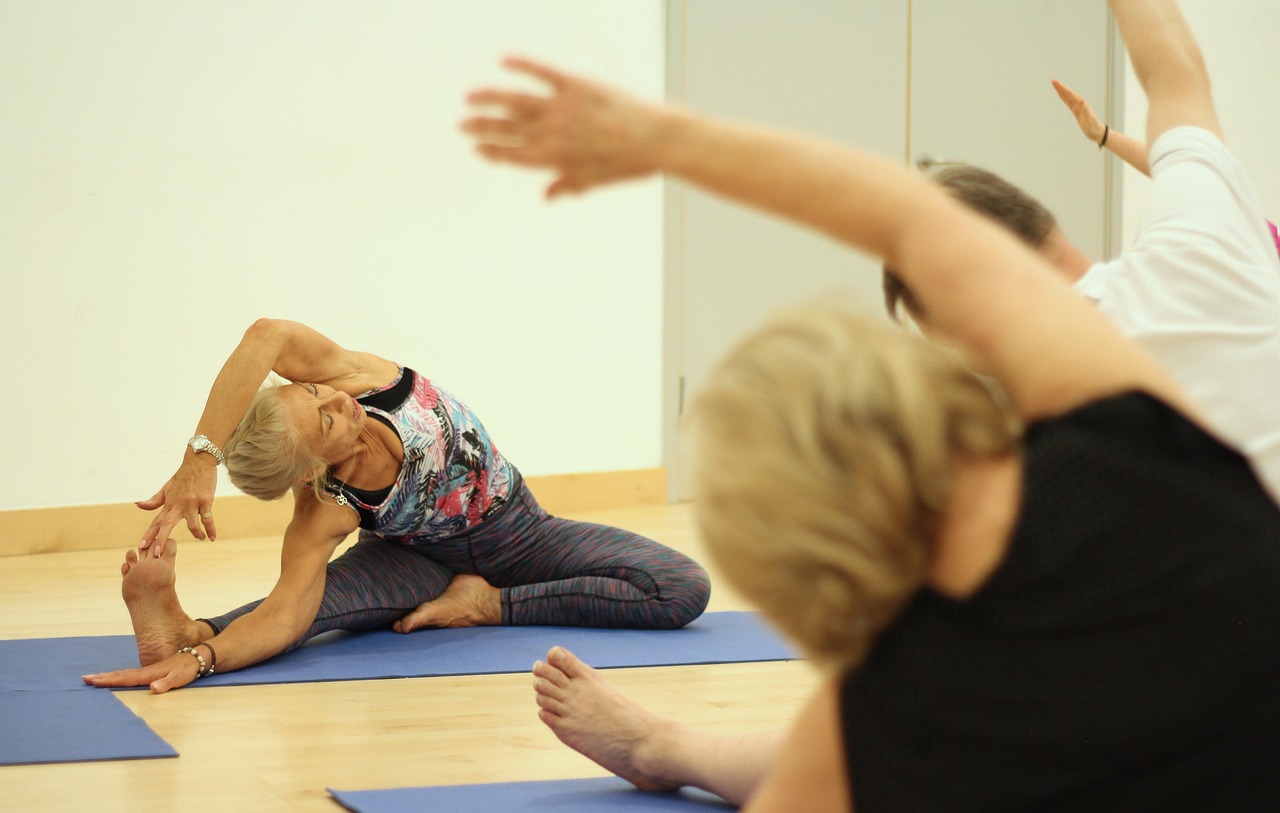
Posture plays a crucial role in our overall health and well-being, influencing everything from our mood to our physical health. Yoga is a powerful tool for improving posture and enhancing flexibility. Regular practice helps to stretch and strengthen muscles, particularly those that are commonly tight or weak due to our sedentary lifestyles. The benefits of yoga extend beyond just flexibility and strength; they also include increased body awareness. This awareness enables practitioners to recognize bad postural habits that can cause discomfort or pain. Furthermore, various yoga poses target different areas of the body, allowing for a more comprehensive approach to alignment. Poses such as Downward Facing Dog and Mountain Pose are particularly effective in correcting slouched shoulders and hunching. It’s essential to combine physical practice with mindful breathing techniques. Breathing deeply and consciously during yoga can significantly enhance relaxation and release tension. Because of these effects, many people see improvements in their daily posture within just a few weeks of dedicated practice. In addition to individual benefits, group yoga classes offer support and can elevate motivation levels, creating a community of like-minded individuals.
With each lesson, yoga not only develops physical skills but also fosters emotional resilience. Breathing techniques integrated into the practice assist individuals in managing stress, which is often a contributor to poor posture. Stress leads to muscle tension, particularly in the neck and shoulders, causing us to hunch. Incorporating relaxation methods, such as meditation and visualization, can drastically improve one’s mindset. For many practitioners, finding comfort in challenging poses fosters a sense of accomplishment that translates into everyday life. Specifically, poses like Child’s Pose and Cat-Cow Stretch gently relieve tension in the spine, promoting better alignment over time. Improved posture is not just about looking taller; it leads to better body mechanics. Good alignment minimizes strain on the body and reduces the risk of injury. As a result of consistent practice, practitioners often report enhanced balance and coordination. Most importantly, good posture contributes to better internal health by encouraging optimal organ function. Over time, with commitment and dedication, individuals can witness transformative changes to their posture. This journey invites more energy and increases overall vitality, which encourages a healthier lifestyle overall.
Key Yoga Poses for Posture
To improve your posture through yoga, certain poses are particularly effective. For instance, the Plank Pose strengthens the core, which supports the spine and promotes overall alignment. A strong core helps to counteract slumping and provides a solid foundation for good posture. Furthermore, the Cobra Pose opens up the chest and stretches muscles in the front of the body. This counteraction of tightness in the chest is essential for those who spend long hours hunched over at desks. Warrior poses, including Warrior I and Warrior II, help to build leg strength while enhancing stability. These poses also encourage an open and proud chest, further instilling confidence through body language. Incorporating the Bridge Pose, which strengthens the back while extending the spine, is also vital. Each of these poses contributes to a well-rounded approach to posture correction. Remember to listen to your body and modify poses as necessary, depending on your abilities. Additionally, practicing in front of a mirror can aid in self-assessment, ensuring alignment remains a focus. By focusing on these key poses, individuals can create a personalized routine that gradually leads to improvements in their posture.
Consistency is vital for effectivity when practicing yoga for posture correction, and forming a routine helps to solidify benefits. Regular engagement with yoga class schedules can enhance discipline and motivation. Many practitioners choose to participate in online classes or follow well-known YouTube channels offering valuable guidance. Yet, creating an at-home routine can also be just as effective. Begin with short sessions and increase duration as you grow stronger. Incorporate poses that specifically target posture improvements into your personal regimen. It is essential to maintain a mindful attitude during each session. This means focusing not only on the physical but also on emotional and mental aspects of yoga practice. Taking the time to reflect post-session can reveal areas that might need additional focus. Journaling about experiences can effectively track progress and highlight improvements. This reflection often leads to newfound insights, reinforcing the connection between mind and body. As awareness heightens, practitioners can develop a greater sense of self. With each session, yoga encourages enhancement not only in flexibility but in overall quality of life as well, leading to better daily performance.
The Role of Breathing in Yoga
Breathing techniques are at the core of yoga and play a pivotal role in posture improvement. Establishing a connection between breath and movement promotes relaxation and enhances flexibility. Controlled breathing calms the nervous system, which effectively combats stress-related tension. Tension often manifests in the shoulders, neck, and back, reinforcing poor postural habits. By consciously incorporating breath awareness during yoga, individuals can release built-up tension, allowing the body to soften and align correctly. Pranayama, or breath control, is practiced alongside asanas, cultivating a balanced approach to both body and mind. Techniques such as Ujjayi breathing not only focus the mind but also generate warmth in the body. This warmth promotes deeper stretches, aiding in postural adjustments. As you inhale and exhale through your practice, remind yourself to breathe intentionally. Notice how breath flows through each pose, supporting release and balance. Fostering this habit can lead to improved body mechanics both in and out of yoga. Eventually, mastering breath work enhances overall mental clarity, contributing to a more aware and mindful stance throughout daily activities.
Healthy posture is vital for various bodily functions, and its correction can prevent long-term issues. When practiced regularly, yoga not only improves posture but also helps prevent chronic pain related to poor alignment. Misalignment can lead to limited mobility, affecting countless functional movements throughout daily life. By integrating yoga into your lifestyle, you may reduce the risk of future injuries. These corrective measures support spinal integrity and enhance mobility. Additionally, incorporating balance poses such as Tree Pose can dramatically improve coordination and stability. With improved posture, you may find yourself standing taller, which naturally boosts self-esteem and confidence. Over time, the metamorphosis may positively impact various aspects of life, including social interactions, work productivity, and overall satisfaction. In their entirety, the benefits of cultivating proper posture through yoga extend beyond physical appearance. They resonate deeply within our emotional and psychological selves as well. Proper posture reflects not only a strong body but also a resilient and confident mindset. Yoga practitioners often report a newfound sense of empowerment with substantial lifestyle shifts resulting from their improved alignment.
Conclusion and Encouragement
In conclusion, improving posture through yoga is not an overnight endeavor; it requires dedication and attention. By embracing the numerous benefits offered by yoga, individuals can harness the potential to foster improved alignment and strength. The journey to better posture involves exploring various poses, focusing on breath, cultivating awareness, and being patient throughout your progress. To maximize the advantages of yoga sessions, consider joining local classes to receive expert guidance and support. In this supportive environment, individuals can benefit from shared experiences and insights. Alternatively, utilizing guided sessions available online opens doors for anyone seeking flexibility in timing and convenience. Remember, every little bit counts in this transformative journey. Celebrate each milestone, small or large, as they contribute to your overall evolution like practitioners. As you embark on this journey, maintain a mindset of curiosity and openness to learn. Let community support other enthusiasts amplify motivation. With practice, persistence, and love for self-care, the journey to improved posture through yoga will surely yield remarkable results!
Ultimately, whether you are a beginner or an experienced yogi, the essence of yoga remains applicable to everyone. Mastering the art of balance and alignment can bring about a renewed sense of joy and fulfillment in everyday life. You deserve to experience this connection between body and mind to manifest optimal health outcomes. The journey doesn’t have to be daunting; rather, embrace it as a unique opportunity for growth. Engage fully, and try out different yoga styles to discover which resonates best; gentle hatha, invigorating vinyasa, or restorative yin. Explore variations of poses, enhancing your flexibility while maintaining alignment. Find joy in each session, allowing it to become a therapeutic escape from stressors. Keep moving forward, adjusting your practice as you evolve; embrace feedback from yourself and instructors, enhancing understanding of body mechanics. Each practice serves as a lesson that brings further awareness. As you journey through this process, remember the importance of celebrating victories, reinforcing progress over perfection. Make yoga a vital component of your daily routine, as the benefits extend far beyond the mat, enriching everything you do.