
Using Technology to Make Fitness Fun for Youth
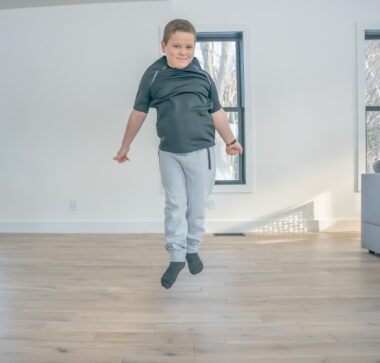
In today’s digital age, technology plays a significant role in enhancing kids’ fitness experiences. With the right tools, parents can transform mundane workouts into engaging activities that not only promote physical health but also foster social connections. Engaging children in fitness through technology offers numerous benefits, such as improved motivation and enjoyment. Many parents struggle to find effective ways to encourage their children to be active, especially when faced with countless screen distractions. However, by integrating fitness apps, video games, and interactive devices, parents can create an environment where fitness becomes exciting. Providing children with gadgets that monitor their physical activity levels can encourage them to reach their daily exercise goals in a fun way. For example, fitness trackers can gamify the experience, rewarding kids for meeting milestones. Furthermore, online classes and fitness challenges hosted through social media platforms create a sense of community among young participants. By utilizing technology to make fitness fun, parents ensure their children develop healthy habits while experiencing the joy of being active alongside friends and family. This approach can instill a lifelong love for fitness that extends beyond childhood into adulthood.
One effective way to incorporate technology into youth fitness is through fitness applications and games. Several apps cater specifically to children, combining exercise routines with fun and engaging gameplay. For instance, games that encourage movement, such as dance or sports simulation games, not only provide entertainment but also promote physical activity. Platforms like Zombies, Run! can turn jogging into a thrilling adventure, making running more appealing to kids. Moreover, parents can encourage friendly competition by hosting challenges among friends or family members. Downloading apps that track physical activity progress and offer rewards upon completion of tasks can further motivate youth. Many platforms allow participants to set personal records and share achievements with others. By fostering a community of support and positive reinforcement, children are more likely to develop a consistent routine. Additionally, parents can monitor their kids’ activity levels through apps, ensuring they maintain appropriate levels of exercise. This blend of fun and technology can cultivate a new generation that views fitness as an exciting adventure rather than a chore. Engaging kids through interactive technologies promotes a healthier lifestyle.
Virtual Fitness Classes for Engagement
Virtual fitness classes have surged in popularity, especially among young audiences. Online workouts led by energetic instructors create an engaging atmosphere where kids can work out alongside peers. These classes often cater to various interests, from yoga to high-energy dance workouts. Parents can easily find programs suitable for their children’s age and fitness levels. Participating in a live session not only enhances accountability but also fosters a sense of camaraderie among young attendees. Children can interact through video chats, cheering each other on while working out. Parents should encourage their kids to explore different styles of fitness classes online, which might ignite newfound passions. Moreover, many fitness influencers on platforms like YouTube offer free classes targeting kids, ensuring that fitness remains accessible regardless of budget constraints. Engaging with these resources can redefine the way young people view exercise, shifting the focus from obligation to enjoyment. By participating in virtual classes, kids learn to associate fitness with fun and creativity. They benefit physically and emotionally from the camaraderie developed through these activities, proving that technology can indeed make fitness enjoyable and sustainable.
In addition to virtual classes, fitness YouTube channels tailored specifically for kids offer an array of workouts designed to keep fitness exciting. Channels like Cosmic Kids Yoga not only focus on physical well-being but also engage children’s imaginations through storytelling. This integration of narrative and movement creates an immersive experience, allowing children to have fun while exercising. Similarly, channels focusing on dance workouts encourage creative expression, making each session less about routine and more about individual flair. Engaging kids in such interactive experiences contributes to a positive relationship with fitness from a young age. Additionally, creating a designated workout space at home with visuals from these channels can inspire kids to explore their fitness routines independently. Another vital aspect is the opportunity for parents to join in on these workouts. When parents participate, it reinforces the significance of fitness within the family dynamic. By making fitness a shared activity, families can enhance their bond while working toward better health. Thus, these channels serve as valuable resources, turning fitness into a fun and anticipated family event, strengthening relationships with shared goals.
Social Media Platforms as Motivation
Social media platforms have emerged as motivating tools for youth fitness. With visually engaging content, platforms such as Instagram and TikTok allow kids to share their fitness journeys with their peers, fostering a sense of accountability and motivation. Many influencers promote healthy lifestyles, inspiring young audiences to engage in exercise routines creatively. For instance, fitness challenges trending on TikTok encourage kids to participate in fun physical activities while connecting with friends. Parents can create a family Instagram account dedicated to fitness, where members can post their routines, progress, and victories. This involvement encourages collaborative efforts, with family members supporting each other’s fitness journeys. Combining technology with traditional exercise creates a comprehensive approach to health that can change perceptions of fitness. Additionally, social media’s interactive nature allows kids to discover various fitness-related content, ensuring that they are exposed to diverse activities. By subscribing to accounts that promote positive health messages, young users can cultivate a balanced understanding of fitness beyond mere aesthetics. Hence, using social media as a postive reinforcement channel can change the landscape of youth fitness and promote healthy lifestyle choices in a fun and engaging manner.
Parents can also utilize technology to create a tailored fitness environment for their kids. Setting up dedicated spaces equipped with fitness gadgets or home workout equipment provides an opportunity for children to explore various physical activities. Smart home devices can assist in scheduling workouts or playing motivating music, fostering an energetic atmosphere suitable for exercise. Meanwhile, augmented reality apps can transform a child’s surroundings into a lively fitness park. These immersive experiences can spice up physical activity in ways that traditional workouts cannot. Moreover, various wearable technologies, such as smartwatches, allow parents to monitor their children’s heart rates and activity levels throughout the day directly. This feature enables parents to communicate with their kids effectively about their fitness patterns. Incorporating such features promotes a family routine of healthy physical activity, enhancing social connections during exercise sessions. Notably, setting fitness goals via technology can encourage children to track their achievements. Celebrating milestones, no matter how small, fosters a culture of appreciation around fitness. As a result, the home becomes an encouraging environment where fitness is part of daily life, inspiring lasting habits for the future.
The Importance of Goal Setting
Goal setting is a crucial component of youth fitness, providing children with a sense of direction and purpose in their fitness journeys. Technology can significantly assist in establishing and tracking these goals. Parents can work with their children to set realistic and achievable fitness targets, reinforcing a positive mindset toward physical activity. By using applications that allow kids to monitor progress visually, they can see their accomplishments in real-time, whether it be step counts, workout minutes, or personal bests in exercises. Displaying these achievements encourages them to push toward the next milestone. Moreover, using technology for this purpose can help children learn valuable life lessons about commitment and perseverance. It’s essential that parents celebrate both the small achievements and significant goals, creating an atmosphere of encouragement that shows kids their efforts are valued. When children feel supported, they are more inclined to maintain their fitness routines. As they grow older, these early lessons in goal setting contribute to the development of a strong work ethic and a healthy lifestyle. In summary, integrating technology into goal setting empowers children and paves the way for a bright future filled with fitness and well-being.
In conclusion, utilizing technology to engage kids in fitness can significantly impact their approach to physical activity. From fitness apps to virtual classes and social media motivation, various tools can make exercise enjoyable and appealing for youth. By incorporating these methods, parents can create an environment where children view fitness as a fun activity rather than a chore. Encouraging participation in virtual classes helps foster connections with peers, while fitness games can encourage movement through playful engagements. Additionally, setting fitness goals and monitoring progress can empower children, instilling a sense of accomplishment. This positive reinforcement ensures that the enthusiastic approach toward fitness carries into adulthood. As parents embrace technology in their efforts to promote healthy lifestyles, it becomes vital to remember that integration must be balanced with outdoor activities and social interaction. Maintaining a variety of experiences in children’s fitness routines can help prevent burnout and sustain their interest. Looking ahead, it’s essential for parents to continue exploring innovative ways to blend technology with exercise, ensuring their children develop robust foundations for lifelong health. Ultimately, combining fitness with fun through technology paves the way for active, healthy, and happy lives.