
Improving Balance and Coordination with Dynamic Parkour Drills
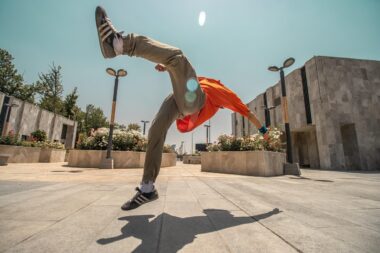
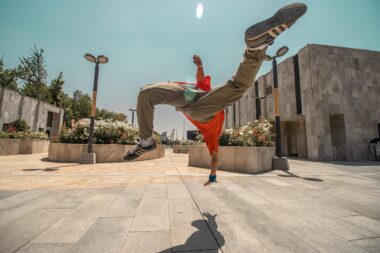
Balance and coordination are critical skills for parkour and freerunning practitioners. Effective training can greatly enhance these fundamental abilities. One excellent approach to boost balance is through dynamic drills. These drills challenge the body to adapt to rapidly changing environments, which is essential when executing complex moves. Begin with basic exercises that require simple balance, gradually increasing their complexity. Include movements such as single-leg stands or elevated surfaces that challenge your center of gravity. Incorporating movement patterns that mimic common parkour maneuvers can prove beneficial for improving dynamic stability too. Best practice suggests performing these drills in different settings like urban environments, as they increase adaptability. Creating an obstacle course with various heights and surfaces can help develop these skills effectively. Additionally, focus on engaging your core throughout these exercises; a strong core stabilizes your body during complex movements. Finally, the inclusion of injuries prevention techniques is paramount in these training sessions, ensuring progression remains sustainable and safe for continued practice. Consider practicing with a partner to encourage variations while providing necessary support to push limits with safety.
Key Balance Drills to Incorporate
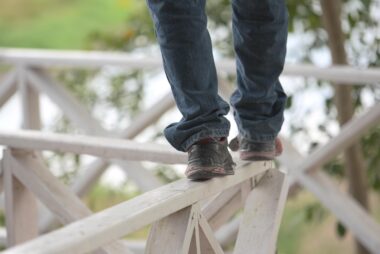
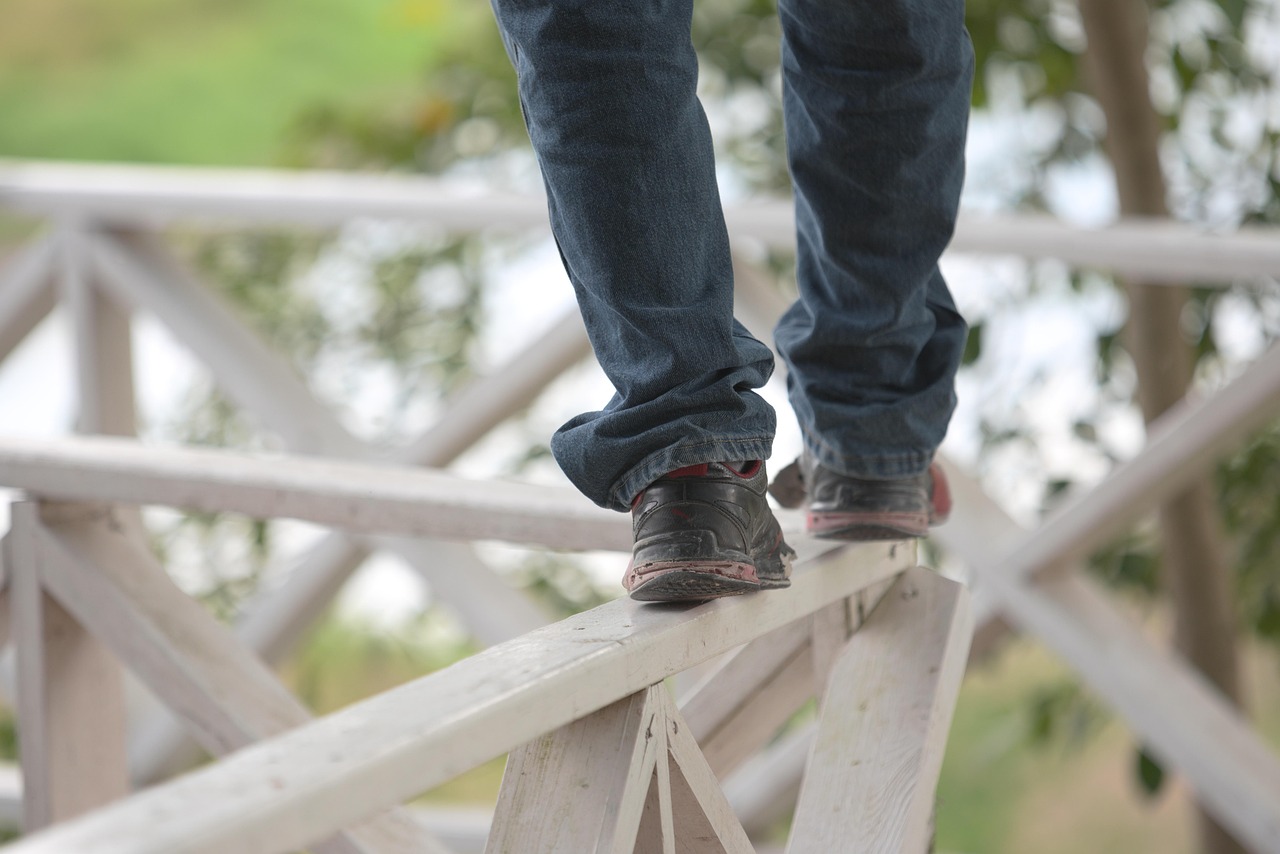
Incorporating specific drills into your routine can substantially improve your balance skills. Here are some key suggestions worth attempting. First, practice the “Single-leg Stand” where you hold your balance on one leg for an extended duration. Focus should be on maintaining a straight posture while breathing steadily. Next, the “Heel-to-Toe Walk” is an excellent way to develop stability. Walk in a straight line placing the heel of one foot directly in front of the toes of the other foot, which enhances coordination. Another beneficial drill is the “Balance Beam Walk”; you can use a low beam or even a line marked on the floor. Moving side-to-side while on the beam engages muscles that enhance balance. Finally, consider adding “Dynamic Lunges” into your training; step into a lunge and hold the position for a few seconds, which aids coordination. By mixing these drills into your parkour training, you’ll be able to create a more actionable routine that builds up your balance effectively over time.
It is crucial to understand the role of posture in balance drills. Many practitioners underestimate how posture can significantly impact their equilibrium. To optimize balance, always start with a strong foundational posture. Focus on aligning your head, shoulders, and hips. Furthermore, ensure that you keep your core engaged throughout each drill. This positioning aids in maintaining control over your center of gravity, which mitigates potential falls and injuries. When moving through drills, pay attention to your body mechanics. Proper alignment creates a pendulum-like effect, allowing your body to keep a steady balance. Introducing multi-directional movement into your practice can also greatly enhance your adaptation skills. This means practicing movements not just forwards and backward, but side-to-side and even diagonally. Adding variety to your drills keeps them engaging and challenges your body to adapt. Moreover, consider visual distractions or unstable surfaces while performing your balance drills; these elements will mimic real-world dynamic environments typical in parkour. Learning to retain your balance in unpredictable situations is vital for successful execution during actual parkour moves.
Enhancing Coordination with Movement Patterns
Coordination goes hand-in-hand with balance, particularly in parkour. Therefore, it’s beneficial to integrate coordination drills into your training routine. One effective method is to incorporate drills that promote limb independence. For instance, hopping on one foot while alternating arm movements can help improve rhythmic coordination. There are various drills available, such as “Skater Jumps” where you jump laterally while landing on one leg. This specific exercise assists in enhancing lateral coordination while using a balance challenge. Rope skipping is another fantastic tool for refining coordination while also enhancing agility. Include variations such as crossing and double-unders to keep progressing. Performing ball toss drills with a partner can also enhance hand-eye coordination while executing footwork drills simultaneously. The concept here is about integrating coordination practice into fun activities; it will prevent stagnation and fatigue from repetitive routines. Simultaneously, don’t forget stretching exercises, as flexibility is a key component of both balance and coordination. Embrace these movement patterns to become a more well-rounded practitioner and improve overall performance in parkour.
As you progress with balance and coordination drills, consistency is your best friend. Aim to incorporate these drills into your weekly schedule to see noticeable improvements. Plan out specific days dedicated to balance training; consistency facilitates muscle memory, which is the backbone of skill acquisition. Start with shorter sessions of approximately 20-30 minutes focusing on a variety of drills. Progressively increase the duration and complexity as your skills develop. Tracking your progress is also a valuable approach; journal your accomplishments after each session for motivation and self-assurance. Aspects to note could include the difficulty level of drills and any variations introduced. Encouraging personal challenges can amplify your training’s effectiveness. Additionally, training in groups or with a partner promotes social interaction which can enhance motivation levels and provide insight through teamwork. Many practitioners discover the value of sharing skills and challenges leading to accelerated improvement. Remember to integrate recovery days into your routine to prevent burnout and allow muscle recovery. Listen to your body, adapting your plan based on how you feel after your sessions.
Incorporate Mental Focus and Breathing
Developing balance and coordination isn’t solely about physical action; mental concentration and breathing techniques are equally important. The right mindset facilitates heightened awareness of your body in space, which keeps you grounded and synchronized. Take a moment during each drill to practice mindfulness; focus solely on your movements while letting go of outside distractions. Allowing your body to become aware of tension can help adapt movements during parkour techniques more effectively. Practicing controlled, deep breathing not only fosters relaxation but provides necessary oxygenation, which is crucial during intensive drills. Students of parkour often experience intense adrenaline, disrupting focus; maintaining a steady breathing rhythm can counteract anxiety. As you train, ensure regularly evaluating your mental stamina and control during drills. Some practitioners find it advantageous to include visualization techniques, picturing execution of movements during exercises to build confidence. Small changes such as strengthening mental focus alongside physical prowess can produce substantial benefits. Regular meditation sessions can also enhance overall cognitive function, which contributes positively to both balance and coordination during dynamic drills.
Lastly, fostering effective recovery and assessment is paramount after incorporating these drills into your routine. Recovery hinges on allowing your body sufficient time to recuperate after rigorous training sessions. Craft a balanced post-training routine that emphasizes nutrition, hydration, and stretching exercises. Adequate nourishment and hydration replenish energy levels to encourage muscle recovery. In addition, stretch after every session: this habit enhances flexibility which is vital for maintaining performance longevity. Engage in self-assessment regularly by recording your improvements and noting areas needing attention. This could involve keeping a detailed log of drills, successes, and challenges faced. It’s equally valuable to set realistic short-term goals alongside long-term ones in your journey. Consistent reflection over time creates an opportunity for scheduling adjustments in your regimen. Remember, balance and coordination are personal journeys; your pace can be different from others. Celebrate your victories, regardless of their size, as these are stepping stones toward greater achievements. Embrace the challenges, feel the growth, and continue to enjoy the exhilarating world of parkour!
Lastly, fostering effective recovery and assessment is paramount after incorporating these drills into your routine. Recovery hinges on allowing your body sufficient time to recuperate after rigorous training sessions. Craft a balanced post-training routine that emphasizes nutrition, hydration, and stretching exercises. Adequate nourishment and hydration replenish energy levels to encourage muscle recovery. In addition, stretch after every session: this habit enhances flexibility which is vital for maintaining performance longevity. Engage in self-assessment regularly by recording your improvements and noting areas needing attention. This could involve keeping a detailed log of drills, successes, and challenges faced. It’s equally valuable to set realistic short-term goals alongside long-term ones in your journey. Consistent reflection over time creates an opportunity for scheduling adjustments in your regimen. Remember, balance and coordination are personal journeys; your pace can be different from others. Celebrate your victories, regardless of their size, as these are stepping stones toward greater achievements. Embrace the challenges, feel the growth, and continue to enjoy the exhilarating world of parkour!