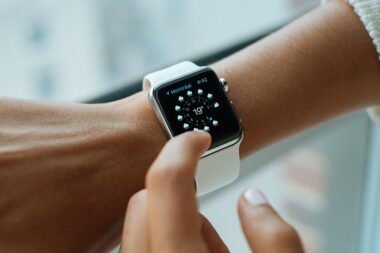

Wearable Technology: Improving Flexibility and Balance in Yoga
In today’s fast-paced world, the integration of technology with yoga practice offers unique opportunities for enthusiasts to deepen their skills. Wearable devices, specifically designed for yoga, can track and analyze various metrics that significantly aid in enhancing flexibility and balance. These devices typically monitor heart rate, body temperature, and even muscle engagement, providing users with valuable data. By utilizing this information, practitioners can tailor their sessions to fit their personal needs. This type of feedback encourages a more mindful approach to yoga, fostering deeper physical and emotional connections. Moreover, wearables come equipped with guided sessions and pose reminders, which help practitioners refine their movements for greater accuracy. This can be particularly beneficial for beginners who may struggle with proper form. Overall, the utilization of wearable technology in yoga practice not only helps individuals improve their physical abilities but also promotes awareness and mindfulness throughout the practice. Additionally, advanced analytics offered by these devices make it easier to set realistic goals, ensuring continual improvement and engagement in a healthy lifestyle.
Wearables designed specifically for yoga practice have become increasingly popular due to their innovative features. Many devices, such as fitness trackers and smartwatches, now include yoga-specific settings, making them versatile tools. These wearables utilize specialized sensors to detect movements, providing real-time feedback on your poses and overall performance. This level of customization allows for personalized insights, ensuring that practitioners can focus on their unique growth areas. Many wearables also facilitate goal setting, enabling users to track their progress over time. Users can adjust their routines based on collected data, allowing them to enhance flexibility and balance effectively. In addition, wearables encourage accountability and consistency in practice; users are more likely to stick to their regimens when they have tangible data to track. Additionally, the social aspects of wearables cannot be overlooked. Many devices connect with community platforms, where users can share progress and tips, fostering a sense of belonging and motivation. As technology continues to advance, it is likely that we will see even more innovative features in wearable devices specifically designed for yoga practice.
The Role of Data in Improving Practice
Data collected by wearable technology plays a crucial role in enhancing yoga practice. The information gathered throughout each session enables practitioners to identify their strengths and weaknesses, which can lead to a more balanced and rewarding practice. For instance, by analyzing heart rate variability, users can understand their stress levels and adjust their workouts accordingly to promote relaxation. Wearables can also track the duration and intensity of individual poses, which allows for targeted improvements over time. With this data, yoga practitioners become more aware of their body mechanics, leading to safer and more effective workouts. Moreover, the ability to visualize progress through graphs and charts can be incredibly motivating. This visual representation allows users to see their improvements in flexibility, balance, and endurance over time. Some advanced wearables even offer suggestions for modifications based on the performance metrics collected during a session. This level of guidance gives users the ability to refine their techniques, ultimately positioning them for success in their yoga journey. The marriage of data and experience paves the way toward a more gratifying practice.
One of the significant advantages of utilizing wearables in yoga practice is the enhancement of safety. Many practitioners may not realize when they are pushing their bodies beyond their limits. Wearable technology can help prevent injuries by providing alerts when users are exerting themselves too much or not maintaining proper form. This real-time feedback is especially valuable during challenging poses or transitions that require strength and balance. Additionally, the app associated with these devices often offers tutorials and breakdowns of each pose, helping users to better understand the foundations of their practice. By pairing this guidance with data analysis, users can refine their skills while minimizing the risk of injuries. Consequently, wearables contribute to an overall safer yoga environment, particularly for newer practitioners who may lack a solid understanding of alignment and posture. Moreover, as practitioners continue to develop their skills safely, they gain confidence in their abilities. This newfound confidence translates into more dynamic and adventurous practice, as individuals discover new poses that they might have avoided due to fear of injury.
Building a Community Through Wearable Technology
The social factor associated with wearable technology can add another layer of motivation to yoga practice. Most modern wearables include app capabilities that allow users to connect with friends and fellow practitioners. This feature enables sharing of progress, which fosters a supportive community. Being part of a group not only promotes camaraderie but also instills a sense of accountability. Community-driven initiatives, such as challenges and group goals, can encourage users to push their limits further and explore new avenues within their practice. Additionally, virtual yoga classes can be enriched through collaborative tech, allowing users to participate while tracking their improvements. This approach to practice helps integrate social interaction, making yoga not only a personal journey but also a shared experience. Furthermore, wearables can feature leaderboards, adding a competitive element that can motivate participants to engage more deeply in their practice. This network of support and shared growth contributes to individual improvement in flexibility and balance, ultimately enhancing the overall experience of yoga practitioners.
In conclusion, wearable technology has transformed yoga practice by providing a bridge between traditional techniques and modern technology. The benefits gained from these devices—data analysis, improved safety measures, and the ability to connect with a community—help practitioners achieve new levels of flexibility and balance. Effective use of wearables can personalize yoga experiences, making them more engaging and adaptable to individual needs. Furthermore, the integration of technology fosters a greater sense of self-awareness, empowering users to prioritize their physical and mental well-being. As yoga continues to evolve, embracing innovative solutions will undoubtedly yield impressive results. Practitioners can better navigate their own journeys and maximize the benefits of their practice. In an age where data-driven approaches dominate, wearable technology is paving the way for more mindful and focused yoga experiences. This advancement will likely encourage a new generation of yogis who prioritize not just physical results but also holistic well-being. Ultimately, the partnership between technology and yoga reflects a balanced approach to wellness, reminding us that personal growth stems from both practice and proper feedback.
As the landscape of wearables continues to evolve, so too will the effectiveness of tools available to improve yoga practice. Emerging technologies like artificial intelligence and machine learning will potentially enhance the analytical capabilities of devices even further. These advancements could drive deeper insights into individual performance, tailoring recommendations more precisely to practitioners’ unique needs. Imagine wearables that not only track metrics but also analyze your emotional state during practice, guiding you toward mindfulness. The innovations in fitness technology open up new realms of possibilities for a more interactive and engaging yoga experience. Ultimately, embracing this wave of technological advancement can help practitioners elevate their practice to new heights. Seasoned yogis can gain a newfound appreciation for their bodies, while newcomers can find hope and confidence in their journey. The fusion of yoga and wearable technology paves the way for a holistic fitness model, one that considers both the body and the mind. As more users adopt these advancements, the future of yoga appears bright and full of opportunity.
By embracing the integration of wearable technology in yoga practice, we are setting ourselves on a path of continuous improvement. The combination of data-driven insights and physical practice fosters a growth mindset, encouraging individuals to challenge their limits. Wearable technology is breaking down barriers, allowing all practitioners to explore the depths of their abilities regardless of experience level. When equipped with the right tools, anyone can transcend traditional boundaries within their yoga journey. In addition to personal growth, integrating wearables can also promote healthier lifestyles and mindfulness in daily activities. Practitioners often find that the benefits of yoga extend beyond the mat, influencing their overall well-being. As we continue to innovate and explore this dynamic intersection, we may discover even more ways to harmonize yoga and technology. This harmonious relationship opens the door to greater accessibility and support for practitioners around the world. Ultimately, the goal remains the same: to cultivate a practice empowering individuals to attend to their physical and mental needs while fostering a sense of community. The ultimate impact of wearables on yoga may be felt for generations to come.