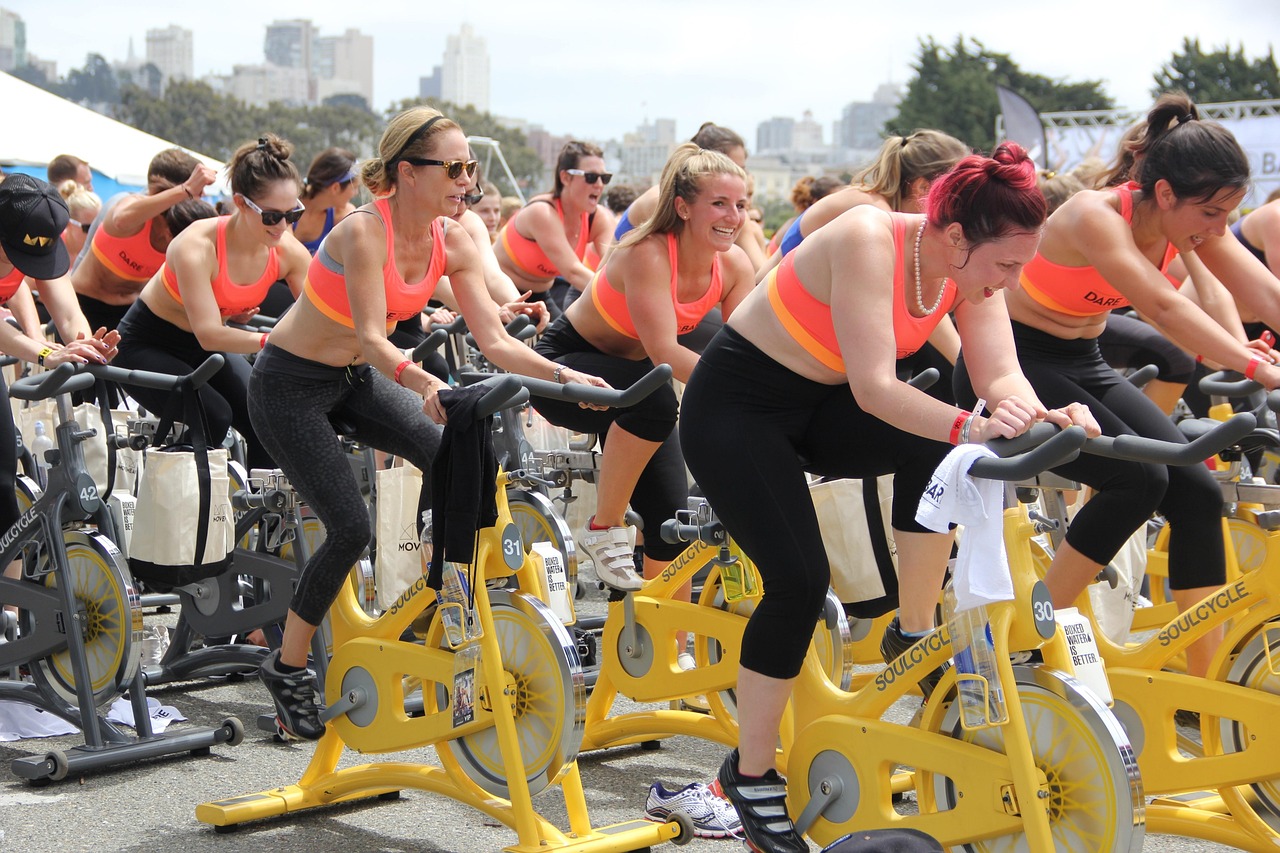

The Benefits of Group Exercise Programs in Workplace Health Promotion
Group exercise programs are increasingly recognized for their effectiveness in promoting health and well-being in workplace settings. These programs foster a sense of community by encouraging employee collaboration and participation. When employees engage in group exercises, they not only improve physical health but also strengthen social bonds among colleagues. This camaraderie often translates into increased motivation, as individuals feel accountable to one another. By supporting an employee’s personal fitness journey, companies also create a more cohesive work environment, enhancing teamwork. Furthermore, these programs can lead to noticeable improvements in employee morale and job satisfaction. Not only does physical activity reduce stress levels, but it also releases endorphins, contributing to a more positive workplace atmosphere. Additionally, studies show that group activities can reduce absenteeism and presenteeism, translating into substantial cost savings for employers. Thus, integrating these programs can profoundly impact overall workplace dynamics. Companies can encourage participation through incentives such as fitness challenges or rewards for consistent attendance. Overall, the holistic benefits of such initiatives make them an indispensable element of modern workplace health promotion.
Incorporating group exercise programs within workplaces not only leads to better physical health but also enhances mental well-being. When individuals participate in group activities, they often experience reduced feelings of isolation and loneliness. This is particularly significant in remote or hybrid working environments where personal connections may dwindle. Engaging in group exercises helps to mitigate these feelings, ensuring that employees remain socially connected. The collective experience of exercising together often creates memorable moments, fostering relationships that extend beyond the gym. Physical activity is known to boost cognitive function and clarity, leading to improved productivity at work. When employees are physically active, they are likely to take fewer sick days and display greater enthusiasm for their tasks. Senior management support is crucial in this endeavor; visible participation by leadership encourages employees to join in. Companies may also consider creating diverse fitness options, accommodating various interests and fitness levels to ensure inclusivity. By embracing the idea that exercise can be enjoyable, organizations make great strides in building a healthier workforce. Ultimately, the positive impact of group exercise on mental health is as vital as its physical benefits.
Practical Implementation Tips
When implementing group exercise programs in the workplace, it’s essential to consider a few practical tips for successful execution. Begin by assessing the interest level of employees through surveys or informal discussions. Understanding their preferences helps tailor activities to boost participation. Additionally, setting a consistent schedule, such as weekly sessions, is vital to establish routine and reliability among participants. Providing access to a qualified instructor or personal trainer can enhance the safety and effectiveness of the programs. These professionals can create structured workouts that suit varying fitness levels while also ensuring participants perform exercises safely. Moreover, geographical accessibility should be considered; offering sessions in various spaces or even virtually promotes inclusivity. Encourage participation through incentives, such as rewards for consistency or services like healthy snacks post-workout. Effective marketing through newsletters, emails, or posters can further increase awareness and excitement surrounding these initiatives. Recognize participants publicly to foster a sense of achievement and community. Continuous evaluation of the program is important to adapt and change based on feedback, thus maintaining its relevance and appeal.
The advantages of group exercise programs extend to workplace culture significantly. Employees who engage in these activities often develop healthier interpersonal relationships and improved communication skills. As teams interact in a non-work environment, barriers often break down, leading to enhanced collaboration on work-related projects. These interactions allow employees to see their colleagues in a different light, fostering empathy and understanding across different departments. A healthy workplace culture reflects positively on employee retention rates, with staff feeling valued and engaged. Furthermore, the sense of belonging cultivated through these exercises leads to increased loyalty toward the organization. Happier employees tend to share positive experiences, which can boost company reputation and aid in attracting new talent. Regularly integrating feedback from participants can lead to refinements that ensure ongoing engagement, illustrating that the company prioritizes their needs. Initiatives promoting group exercise echo a company’s commitment to employee health and wellness. Encouraging these programs further illustrates the organization’s investment in a happier, healthier workforce, which inevitably leads to enhanced performance and morale. This cultural shift towards active living reflects broader trends supporting wellness within professional settings.
Measuring Success in Group Exercise Programs
Measuring the effectiveness of group exercise programs in the workplace is crucial for understanding their impact. Organizations can adopt various metrics to gauge success, including employee participation rates and feedback surveys. Assessing attendance over time can illuminate trends such as growing interest or participation dips, allowing for timely adjustment. Conducting pre- and post-program surveys helps evaluate perceived benefits among participants, such as improved fitness levels or psychological well-being. Establishing a baseline through these surveys offers insights into the overall success of the initiative. Employers can also track health-related outcomes, including absenteeism rates, employee satisfaction, and productivity measures. This data correlates group exercise participation with changes in workplace performance. Innovations in technology, such as fitness trackers or apps, allow for streamlined data collection and analysis. Implementing a recognition program for top participants can enhance motivation and engagement. Sharing success stories with the entire organization can significantly boost morale and inspire others to participate. Ultimately, consistent evaluation and adaptation of programs contribute to long-term success, fostering an environment dedicated to health and wellness. Measuring success underscores commitment to maintaining a thriving workplace.
Group exercise programs contribute positively to diversity and inclusion initiatives within workplaces. By offering various activities, employers can appeal to diverse preferences and cultural backgrounds, ensuring everyone can participate. Encouraging people from different demographics to work out together fosters a sense of belonging. This inclusive approach allows employees to connect on shared interests, emphasizing that fitness is attainable for all, regardless of ability or background. Establishing a safe space for all participants promotes mental well-being and openness. Such initiatives also allow businesses to break down traditional workplace silos, encouraging collaboration across departments. Furthermore, featuring diverse fitness instructors can enhance participants’ connection and relatability, inspiring a larger number of individuals to join in. Awareness around representation in physical activities can promote camaraderie and strengthen workplace relationships beyond just shared work tasks. Creating group challenges, celebrating cultural events, or focusing on inclusivity in fitness classes fosters greater employee engagement. By celebrating diversity in group exercise initiatives, companies not only invest in health but also champion inclusivity as a core value. This contributes to a more harmonious and productive workplace.
Conclusion
In conclusion, implementing group exercise programs offers numerous benefits that positively influence workplace dynamics, health, and culture. These initiatives foster a sense of community, enhance mental well-being, and improve physical health among employees. By encouraging camaraderie through shared fitness experiences, organizations build stronger relationships among colleagues, which enhances teamwork and collaboration. The success of these programs depends on various factors, including effective marketing, consistency, and ongoing evaluation. Companies that prioritize group exercise not only demonstrate a commitment to employee wellness but also position themselves as attractive employers in competitive job markets. Moreover, the broad-ranging advantages extend beyond individual benefits, contributing to a vibrant workplace environment reflective of shared goals. The emphasis on diversity and inclusion within these programs also reinforces positive workplace culture. Ultimately, organizations investing in these initiatives cultivate a happier, healthier, and more engaged workforce devoted to achieving high performance. As workplaces evolve, prioritizing employee health through group exercise is more pivotal than ever. By championing fitness as a collective effort, companies can pave the way for long-term resilience, productivity, and satisfaction among employees.
As we venture into a future where wellness plays a vital role in organizational success, embracing group exercise programs represents a profound stride towards fostering healthier workplaces. The evidence supporting the efficacy of such initiatives is compelling, demonstrating that the investment in physical and mental well-being translates into tangible benefits for both employees and employers alike. It is essential for leaders to recognize the value these programs can bring in elevating workplace morale. By committing resources towards such initiatives, organizations affirm their dedication to employee health. As engagement and enthusiasm spread, these programs become a beacon of positivity within corporate culture. The ripple effect of such actions brings attention to the importance of wellness and set a precedence for a proactive approach towards health. Encouraging participation through clear communication and shared experiences can transform perceptions of physical activity from a chore into a rewarding investment. As companies strive to enhance productivity and overall morale, embracing group exercise can act as the catalyst for meaningful change. Ultimately, the future of workplace exercise appears promising, driven by a shared vision of health and well-being that benefits everyone involved.