
Understanding Seasonal Adjustments
Competitive rowing requires athletes to adapt their training regimens based on seasonal changes, as weather conditions and availability of water resources differ throughout the year. In spring, for example, rowers may focus on refining techniques and building overall fitness. This is crucial, as the transition from indoor ergometer training to outdoor rowing can significantly impact performance. Summer presents the opportunity for intense training sessions on the water, where rowers can work on both speed and endurance, taking advantage of longer daylight hours. Autumn serves as a time to evaluate performance through competitions while fine-tuning strategy and teamwork. Finally, winter often means returning to the erg as rowers maintain conditioning regardless of the cold. Key components include flexibility training, strength workouts, and skill drills. Additionally, coaches should encourage mental toughness, ensuring that athletes maintain focus on their goals despite variable conditions. Planning with these seasonal adjustments is essential for promoting optimal performance throughout the year. Ultimately, understanding how to adjust training routines helps in preparing athletes for varying conditions and nuances of competitive rowing throughout the seasons.
Spring Training Techniques
As spring unfolds, competitive rowers must embrace a diverse set of training techniques to prepare effectively for the racing season. Early spring workouts largely focus on technique, ensuring that athletes refine their strokes and develop proper mechanics. Rowers typically conduct on-water sessions that emphasize balance and synchronization within the boat. Incorporating drills that target both individual performances and team dynamics is vital. Indoor rowing during inclement weather serves as a practical alternative. Here rowers can engage in structured ergometer workouts and strength-building exercises. A well-rounded spring training program should also include flexibility and mobility sessions. Engaging in yoga not only improves overall flexibility but also enhances mental focus and breathing control. Furthermore, nutrition plays a pivotal role in supporting the increased training demands of spring. Rowers should prioritize hydration and integrate balanced meals with adequate carbohydrates and proteins to fuel their workouts. Setting specific goals, tracking progress, and maintaining communication with coaches and teammates fosters a positive training atmosphere. Using this supportive framework, rowers can seamlessly transition into competition mode as they gear up for the demanding summer season.
Summer Training Strategies
The summer represents a critical period for competitive rowers, focusing on enhancing strength and endurance through various training strategies. Daily on-water practices are often lengthened to accommodate increased daylight hours, allowing rowers to maximize sessions. Coordination between individuals in crew boats is essential. This period can also introduce higher intensity intervals as rowers prepare to peak for major competitions. It is vital to incorporate cross-training activities, such as cycling or swimming, into the regimen during summer months to keep workouts fresh and engaging. Additionally, summer is the ideal time for strength training in the gym, leveraging resistance exercises that build core and leg power, crucial for speed. Rowers should also maintain their nutrition plan, ensuring that they consume adequate electrolytes and protein to support muscle recovery. Tracking workouts in a log or app can provide insights into progress and motivate athletes to push their limits. Finally, mental preparation and visualization techniques become increasingly important as competitions near. Fostering a competitive but positive training culture among teammates helps maintain morale and cohesiveness in preparation for the racing backdrop of the upcoming season.
Autumn Assessment and Competitions
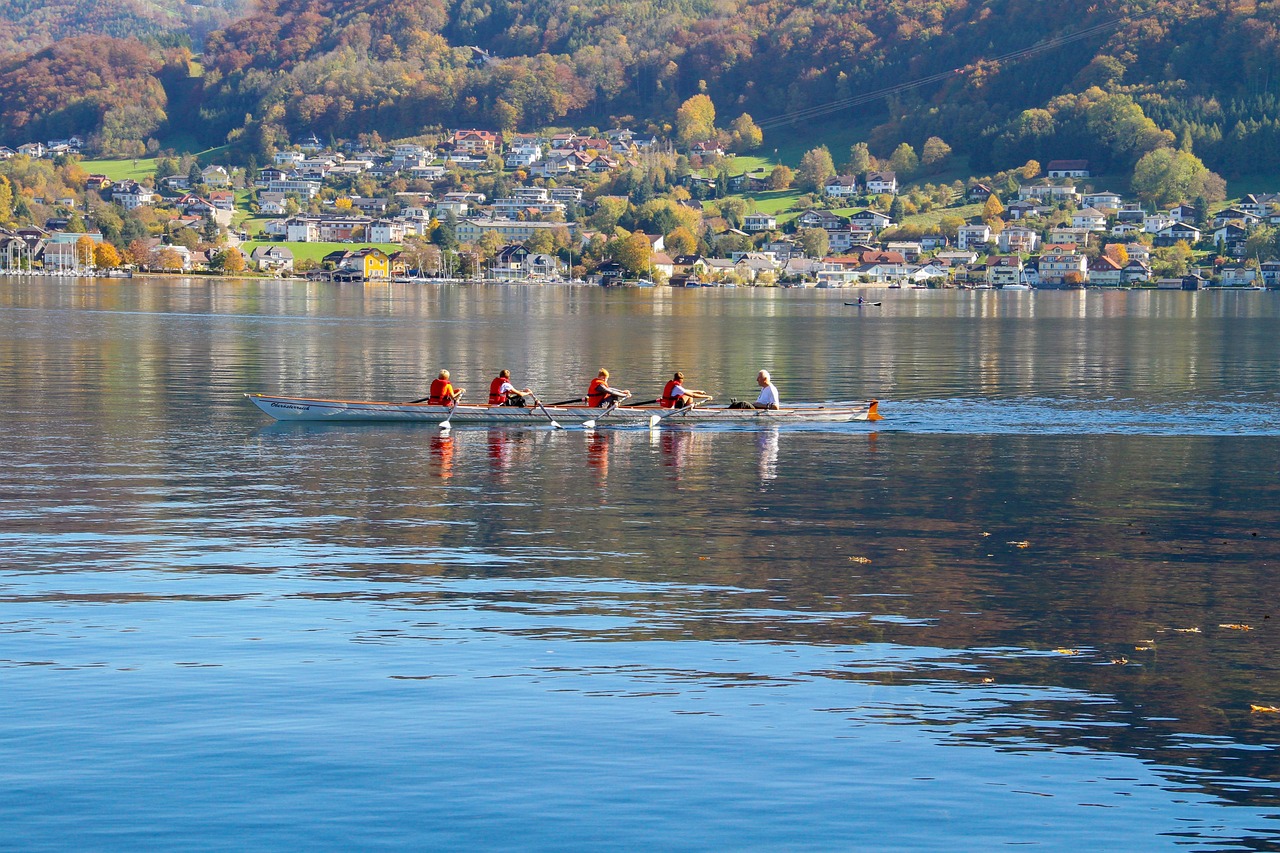
With autumn arrives the transition towards competitive rowing, necessitating an assessment of athletes’ progress and performance. During this season, rowers often participate in various head races and regattas, offering valuable opportunities to test skills in high-pressure conditions. Coaches and athletes should analyze results from prior competitions to identify strengths and areas for improvement. Training intensity may shift towards refinement of strategy, teamwork, and adaptability. It is crucial for rowers to focus on their individual weaknesses during practices, implementing targeted drills to enhance endurance and speed components. Additionally, technique analysis becomes more critical as athletes strive to achieve optimal stroke efficiency. After each race, crews should conduct post-analysis sessions, reflecting on what worked well and what could be improved. This feedback loop fosters a culture of learning. Staying consistent with nutrition ensures rowers remain adequately fueled for longer training and competitive sessions. As autumn pushes toward winter, planning and preparation become essential, ensuring that rowers enter the next training cycle with clear objectives and a renewed sense of determination. Ultimately, this reflects a dedicated commitment to excellence in competitive rowing disciplines.
Winter Training Focus
Winter approaches competitive rowers with unique challenges, emphasizing the necessity for an alternative training approach often relying on indoor rigs. The cold weather might limit on-water sessions, requiring athletes to shift focus toward maintaining fitness levels on the erg, strength training in the gym, and using cross-training methods. Rowers typically engage in structured indoor workouts that include longer endurance sessions complemented by high-intensity intervals to sustain peak performance. In addition, winter workouts should include injury prevention strategies like stability exercises that enhance joint health and mobility. Coaches should emphasize mental resilience, assisting rowers in staying motivated during a season that can be dreary and challenging. Emphasis on goal setting remains crucial, allowing athletes to visualize their objectives for the upcoming competitive seasons. Nutrition must adapt as winter environmental conditions alter calorie expenditure and fuel requirements. Foods rich in Vitamin D can boost immune systems during these months. Social programming, such as team workouts or holiday-themed events, can keep morale high and strengthen team bonds. Engaging positively with off-season training prepares rowers for a seamless transition back onto the water, ensuring they maintain their competitive edge.
Adjusting for Equipment Changes
Another essential aspect of seasonal training in competitive rowing involves adapting to equipment changes. Different seasons may require rowers to switch between various boats or rowing rigs, each impacting performance and technique. Coaches need to pay attention to how changing the equipment affects an athlete’s posture and stroke. Transitioning to lighter shells in warmer months improves speed but can be more sensitive. Conversely, heavier shells may provide more stability in rougher weather, challenging rowers to adjust their technique accordingly. Providing athletes with sufficient time to familiarize themselves with new gear is essential for optimal performance. Often, crews should conduct specific drills focusing on adjusting to the nuances of their chosen shell. Engaging in boat handling and entry/exit practice can enhance proficiency in varying conditions. Discussions around maintenance protocols for equipment during seasonal transitions can save time and prevent accidents. Emphasizing gear checks promotes safety across the squad while ensuring readiness for training. Ultimately, adapting to equipment changes is pivotal, affecting performance levels as rowers progress through different seasons and contribute to their overall competitive success.
Long-term Training Plans
Building well-structured long-term training plans is crucial for competitive rowers as they adapt their preparation for different seasons. Coaches play an integral role in designing these plans, assessing athlete needs, and anticipating performance peaks throughout the yearly cycle. Long-term goals should incorporate phases focusing on strength, endurance, and technical proficiency. Careful monitoring allows for individualized adjustments within group training environments. Often, athletes should practice periodization principles, adapting the focus of training to the time of year. Load management becomes essential; athletes must balance intensity with proper recovery to prevent burnout or injury. Establishing clear metrics helps assess progress over extended periods, identifying at-risk athletes before issues arise. For continued engagement, coaches should include varied activities that develop both skills and teamwork. As the seasons change, the long-term goals can realign, allowing flexibility to embrace opportunities for growth. Ultimately, successful competitive rowing requires consistent evaluation, adaptation, and commitment from both athletes and coaches throughout the full yearly spectrum in their respective training programs.
Conclusion
In conclusion, adapting competitive rowing training to align with different seasons is crucial for athletes striving for excellence. The practice synchronizes physical conditioning, technical skills, and mental fortitude, ensuring rowers remain prepared for various challenges. Effectively managing transitions between seasons helps athletes sustain high performance while addressing the specific demands posed by weather and equipment changes. Spring training focuses primarily on technique, while summer concentrates on strength, endurance, and competitive preparedness. Autumn brings assessment and racing opportunities, allowing rowers to evaluate and refine strategies. Conversely, winter training emphasizes indoor conditioning and resilience, maintaining fitness levels across adverse conditions. Coaches remain vital figures in this process, offering guidance, preparation, and support as athletes navigate their journey through the competitive landscape. Regular evaluations and adaptations within training plans ensure that athletes continue to progress steadily, achieving their full potential. Nutrition, mental focus, and teamwork also enhance training effectiveness, creating a sustainable and thriving rowing environment. Ultimately, the commitment to constant improvement prepares rowers not just for upcoming seasons but solidifies their long-term success within the competitive rowing realm.