
Integrating Mobility Foam Rollers into Your Golf Fitness Plan
As a golfer, maintaining optimal mobility is essential for improving performance and preventing injuries. Incorporating mobility foam rollers into your fitness routine can yield tremendous benefits. These tools help in releasing muscle tension, alleviating soreness, and enhancing flexibility. They promote better blood flow, assisting in recovery, which is essential for golfers who often experience tightness, especially in the hips and lower back. Using a foam roller before and after your golf workouts can prepare your muscles for the demands of the game. Proper technique is important to maximize effectiveness. Focus on slow, controlled rolling movements targeted at specific muscle groups, and breathe deeply to relax the tissues. Additionally, consider integrating rolls into your warm-up to increase range of motion for your swings. You can also implement rolling into cooldowns to alleviate tension post-golf practice. Studies suggest that foam rolling not only improves flexibility, but also helps in maintaining overall joint health by allowing for better movement patterns. Make foam rolling a staple in your golf fitness plan for optimal performance and injury prevention.
Benefits of Foam Rolling for Golfers
Utilizing a foam roller can significantly improve your overall performance on the golf course. One major benefit is increased flexibility, which is crucial for executing a full swing. Greater flexibility allows for a more powerful and accurate shot, improving your game overall. Foam rolling targets specific muscle groups, including the back, glutes, and legs, which are vital for golfers. Relieving muscle tension helps maintain proper posture, essential for consistent swings. Additionally, regular foam rolling enhances circulation, supplying your muscles with more oxygen and nutrients for recovery. This can lead to quicker recovery times between sessions. Foam rolling also alleviates soreness, a common issue after long practice sessions or rounds of golf. Instead of suffering from tight muscles, you can enjoy more comfortable play. For those dealing with injury rehabilitation, foam rollers can play a key role in recovery and pain management. They help improve mobility and functionality of the affected areas. Long-term use can lead to fewer injuries, allowing you to enjoy greater consistency in your game and more time spent on the course.
How to Use a Foam Roller Effectively
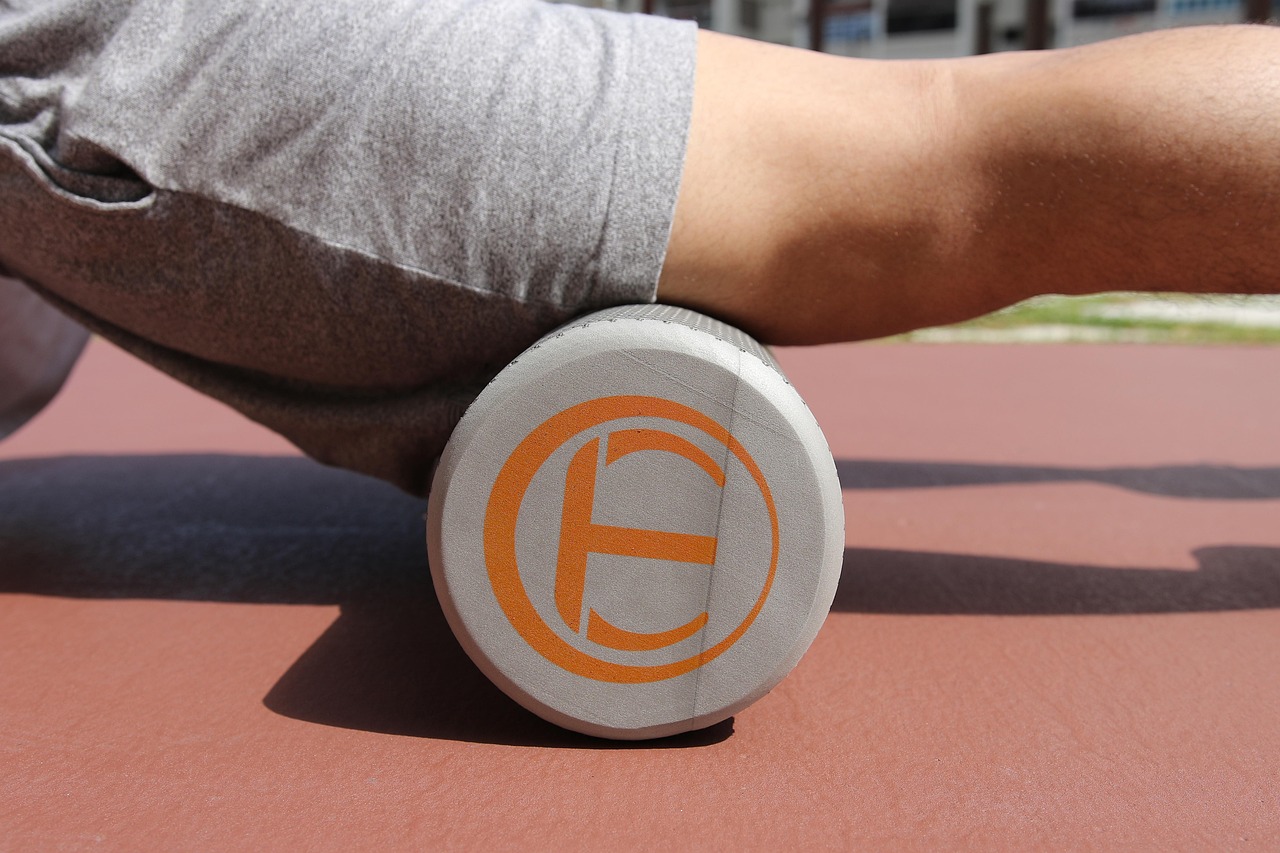
To maximize the benefits of foam rolling, it’s imperative to learn and implement effective techniques. Start by selecting a foam roller aligned with your level of experience and needs. Beginners might find softer rollers comfortable, while more experienced users could benefit from firmer options. Begin your routine targeting major muscle groups, such as the calves, thighs, and back. Roll slowly, spending 30 seconds to a minute on each targeted area. Apply enough pressure to feel discomfort but not pain; this ensures you are effectively releasing muscle tension. Adjust your body positioning to vary pressure; for instance, crossing your legs over one another can intensify the stretch. Incorporate foam rolling sessions into your dynamic warm-up and static cool-down to enhance performance and recovery. Consistency is key, so establish a routine that includes foam rolling multiple times per week. Aim for a total session length of 15-20 minutes. Listen to your body; if an area feels tight, spend extra time working on that section. Consistently implementing these strategies will lead to improved mobility and performance on the golf course.
Another effective way to incorporate foam rolling into your fitness plan is by combining it with other mobility exercises. For example, use it in conjunction with dynamic stretches that target the hips, shoulders, and torso. Engaging various muscle groups through foam rolling while dynamically stretching can enhance your range of motion even further. Creating a holistic mobility routine promotes flexibility and stability when executing golf swings. Include exercises like leg swings or torso twists into your warm-up, followed by foam rolling on the key areas. This prepares your muscles and joints for the complex movements involved in golf. Pairing foam rolling with strength training is another strategy. Strengthening muscles in tandem with mobility work contributes toward an injury-free experience while golfing. Remember to include core strengthening exercises, critical for stability during swings. Consider working with a healthcare professional or certified trainer to develop a personalized mobility plan that targets your specific needs. Balancing foam rolling with other training regimens will bolster your golf fitness plan and lead to significant improvements over time. Remember, consistency and focus will ensure the best results.
Choosing the Right Foam Roller
Selecting the correct foam roller is essential for ensuring you reap the benefits while minimizing potential discomfort. Various types of foam rollers are available in the market, each catering to different needs and preferences. When choosing, consider the density of the roller. Higher density rollers provide a deeper tissue massage, making them suitable for more experienced users or those with significant muscle tightness. Conversely, if you’re new to foam rolling or have sensitive areas, opt for a softer roller. The shape and size also matter; longer foam rollers help with instability, while shorter ones allow focused pressure on specific areas. Experiment with different options to find what works best for you. Additionally, you may choose textured rollers that provide an extra layer of intensity, promoting better myofascial release. Be mindful of your budget, as prices vary based on quality and features. Investing in a durable foam roller will ensure long-lasting use. Have your chosen roller with you during practice to remind you to engage in mobility work consistently. Make use of online resources to find reviews on the best foam rollers available.
Integrating foam rollers into your comprehensive golf fitness plan requires consistent practice. Create dedicated foam rolling sessions, ideally before and after every workout. Consider using them in combination with regular flexibility training. Focus on specific areas that frequently become tight in golfers, such as the hips, legs, and back. As your body adapts, you can increase the intensity of your rolling sessions by adjusting your technique or changing roller types. Use social media platforms and online communities for guidance and inspiration from other fitness enthusiasts. Following experienced trainers or joining local golf fitness classes can also enhance your foam rolling knowledge. Remember to monitor your progress by maintaining a fitness journal. Document experience and improvements regarding mobility and overall comfort while golfing. Periodic assessments will allow you to keep track of your journey, and they can be essential for making informed adjustments to your routine. In overcoming challenges, be patient with yourself; developing flexibility and mobility is a gradual process. Ultimately, the integration of foam rolling should lead to noticeable enhancements in both your performance on the course and your overall golfing experience.
Conclusion
To wrap up, mobility foam rollers represent a valuable addition to any golfer’s fitness plan. By understanding how to use them effectively and incorporating them regularly, you can experience enhanced mobility, reduced tension, and better overall performance. Remember to choose the right roller suited for your needs and adjust your technique depending on the muscle groups you intend to target. Whether you’re a beginner or a seasoned golfer, integrating foam rolling will provide you with tools necessary to keep your body functioning optimally. Consider experimenting with rolling as a pre-game routine or post-game recovery. Monitoring your progress and adjusting your approach as needed will help yield better results over time. Engage your golfing peers when establishing new routines, as camaraderie promotes accountability. Look for online resources, expert guidance, and community support to provide encouragement in your journey. In conclusion, prioritize mobility and consistency in your training plans, ensuring a robust golf fitness strategy. Incorporating foam rolling into your regular routines will ultimately lead to an enjoyable, pain-free golfing experience and potentially lower scores on the course.
Final Thoughts
Golf fitness is more than just strength training; it encompasses agility, flexibility, and recovery as well. Mobility foam rollers are an essential fitness tool that, when used correctly, can lead to significant performance improvements. By incorporating them into your golf fitness plan, you’ll find yourself playing more comfortably and confidently on the course. Better mobility not only enhances your game but also means enjoying the process of improvement without the setbacks of injury. Stay dedicated to your training and remain open to experimenting with foam rolling techniques. Consider sharing experiences and techniques with fellow golfers, fostering a valuable community of fitness-minded players. Hold yourself accountable to your fitness goals and celebrate achievements, no matter how small. Embrace the integration of mobility tools into your fitness plan for a stronger, healthier, and more efficient golfing performance. The path to improvement lies within your commitment to maintaining an active lifestyle, which, when combined with effective recovery strategies like foam rolling, will lead to long-lasting benefits. With persistence, attention to detail, and enthusiasm, you’ll enhance not only your golfing skills but also your overall health and wellness.