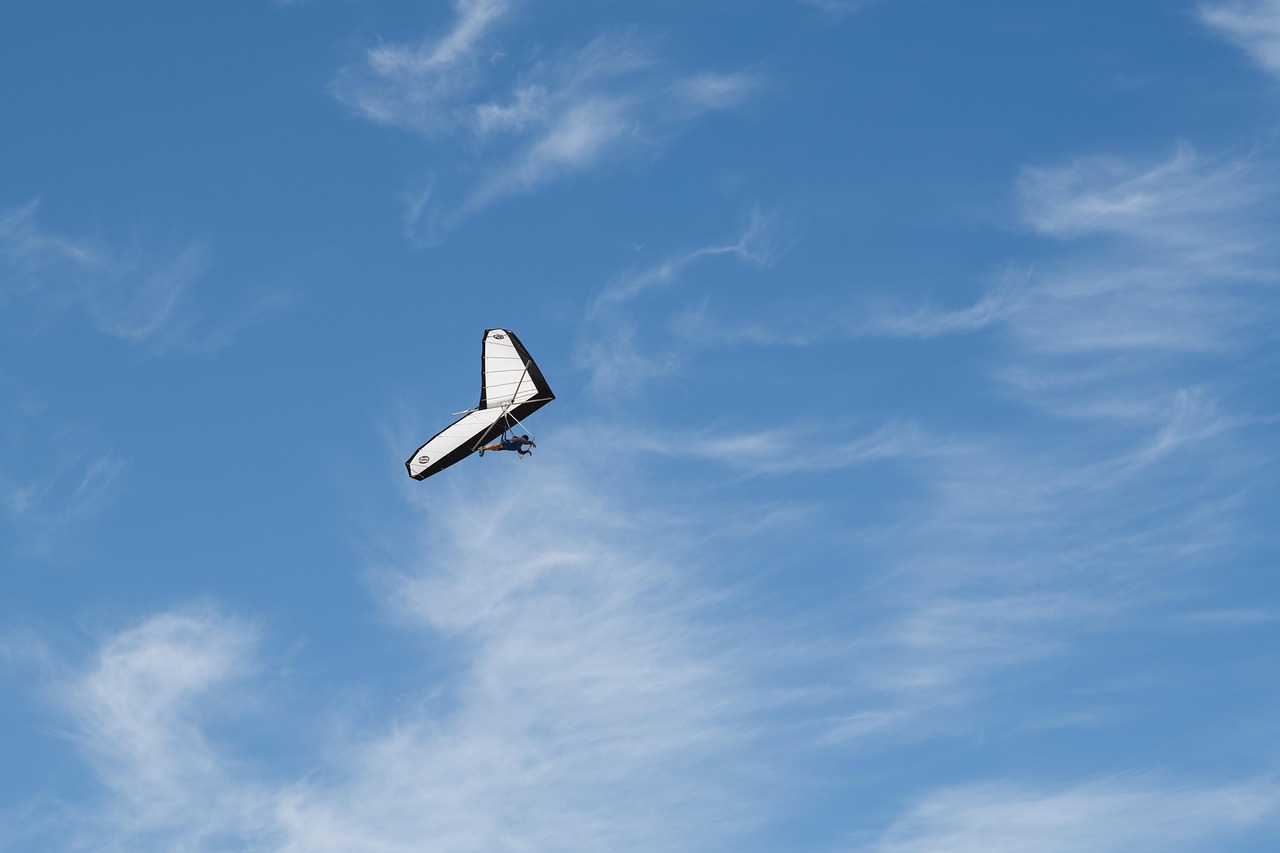

The Physics Behind Hang Gliding: How It Works
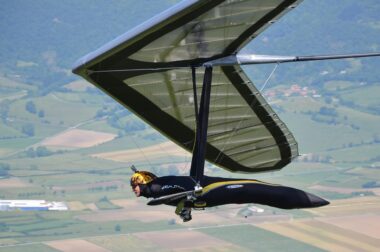
Hang gliding is an exhilarating sport that combines the principles of physics with the beauty of flight. At its core, hang gliding involves the manipulation of aerodynamic forces that allow a pilot to soar through the air. The primary forces at play are lift, weight, thrust, and drag. When a pilot launches from a height, gravity pulls them down, while their wing design generates lift. Understanding these forces is essential for safe and successful flight. Pilots must also account for the wind conditions, as they can greatly influence their glide path. Hang gliders typically have flexible wings that can adapt to changing conditions, enhancing performance and safety. This adaptability allows for a variety of flying styles and techniques. Moreover, the design of the glider, including its wingspan and weight distribution, impacts its flight characteristics. Pilots utilize these features to control their altitude and speed. Knowing how to balance these elements is crucial for any aspiring hang glider. Furthermore, education and training in hang gliding are vital, as they provide pilots with the skills necessary for maneuvering efficiently.
Understanding Aerodynamics in Hang Gliding
Aerodynamics is the science that describes how air interacts with solid objects, which is fundamental in hang gliding. When gliding, the wing shape influences the airflow around the glider. There are two significant aspects of wing design: camber and aspect ratio. Camber refers to the curvature of the wing, while aspect ratio is the ratio of the wingspan to the average wing width. A higher aspect ratio typically results in lower drag and improved glide performance. Pilots rely on lift generated by their wings to counteract gravitational forces. The airfoil’s shape creates an area of low pressure above the wing and higher pressure beneath, generating lift. The angle of attack, the angle between the wing and oncoming air, also plays a critical role. Pilots adjust this angle to optimize lift and minimize drag, changing their airspeed and glide path effectively. Understanding these aerodynamic principles enhances the pilot’s ability to navigate and perform maneuvers during flight. Hence, aspiring pilots must study and practice these concepts for both safety and performance improvements in their flying experience.
In addition to lift and drag, another force that affects hang gliding is thrust. Unlike powered aircraft, hang gliders rely on gravitational forces and wind currents to gain and maintain altitude. Thrust is typically generated by the glider’s initial launch, where the pilot runs to gain enough speed for lift-off. Once airborne, pilots depend on thermals and ridge lift to stay aloft. Thermals are rising columns of warm air that can provide substantial lift. By circling within these thermals, pilots can gain altitude without any additional effort. Ridge lift occurs when wind flows over a mountain or hill, causing it to rise along the surface. Understanding how to find and utilize these natural lift sources is crucial for maximizing flight enjoyment and duration. Additionally, pilots must be aware of how changing wind directions can impact their flight path. They need to adapt quickly to environmental changes to ensure a safe return to earth. Therefore, developing sensory skills and awareness of one’s surroundings is key for a successful hang gliding experience.
Safety Measures in Hang Gliding
Safety is of paramount importance in hang gliding, as it can be a risky endeavor if precautions are overlooked. Before each flight, thorough pre-flight checks are essential. This includes inspecting the glider’s structure, harness, and other equipment to ensure their integrity. Pilots should then analyze the weather conditions, focusing on wind speed, direction, and visibility. It is also fundamental to have proper training and to fly only in safe, controlled environments. Wearing appropriate safety gear, including helmets and reserve parachutes, significantly reduces risks associated with flying. Pilots must also inform others of their flying plans, ensuring that contingency measures are in place. During the flight, maintaining situational awareness is critical; pilots should continuously scan their surroundings and be prepared to react proactively. Coordination with local hang gliding clubs can provide additional resources and support. Regular practice and training, including simulation of emergency procedures, can build necessary skills and confidence. Lastly, understanding the limits of one’s abilities is vital, as pushing beyond those limits can lead to dangerous situations.
Moreover, psychological factors also play a role in hang gliding. Mental preparedness is as crucial as technical skills. Pilots need to approach their flights with a focused and calm mindset. Anxiety and fear can hinder performance and decision-making abilities. Therefore, developing coping strategies is beneficial for managing these emotions during flights. Visualization techniques can help pilots mentally rehearse their flights, preparing them for different scenarios. Additionally, establishing a strong support network of fellow pilots can build confidence and encourage safe practices. New pilots may benefit from shadowing more experienced flyers to gain insights into various techniques and coping strategies. This mentorship establishes trust and promotes a positive learning environment. As pilots grow more comfortable, they can explore different styles of flight and refine their skills. Emphasizing continuous learning and improvement fosters a sustainable hang gliding journey. Thus, navigating the psychological and emotional aspects is as essential as understanding the physics involved in this exhilarating sport.
Environment and Hang Gliding Conditions
The environment significantly impacts hang gliding performance and safety. Each geographic region presents unique challenges and benefits for pilots. Coastal areas, for example, often provide consistent thermal lift due to their temperature changes throughout the day. Mountainous terrains can offer excellent ridge lifts, but they also present more complex navigation challenges due to changing wind patterns. Urban environments can create turbulence caused by buildings and structures, which can be hazardous for inexperienced pilots. Understanding the specific characteristics of an area is crucial before launching. Pilots should familiarize themselves with local flight regulations and geographical features to optimize their experience. Seasonal weather variations also affect hang gliding conditions. Wind patterns can shift dramatically in different seasons, influencing flight paths and safety. Frequent changes in the weather necessitate staying updated on forecasts. Also, respecting wildlife in flight zones ensures environmental sustainability. Practices such as following recommendations for nesting areas or seasonal restrictions are favorable for preserving natural habitats. Understanding the broader environmental context enhances every flight, allowing pilots to connect with nature while enjoying their sport.
Equipment selection and preparation are integral to hang gliding. The choice of glider predominantly influences performance and pilot experience. Different models cater to varying preferences, weights, and skills, which means that new pilots should seek guidance from seasoned practitioners. For instance, beginner gliders often feature higher stability and easier handling, while more advanced models are designed for speed and performance. Additionally, establishing a comfort level with equipment is paramount. Pilots must practice assembling and disassembling their gliders to ensure smooth transitions before flights. Learning about various components—control surfaces, frame integrity, and wing tips—enhances overall equipment knowledge. Furthermore, understanding maintenance procedures extends the life of gear and ensures safety. Regular checks for wear and tear, proper storage, and cleaning routines help maintain functionality. The connection between a pilot and their equipment can’t be overstated; it is essential for confidence during flight. Lastly, embracing the evolution of technology in hang gliding, such as GPS and flight instruments, enables pilots to enhance their navigational skills and safety.
Conclusion: The Joy of Hang Gliding
In conclusion, hang gliding is a thrilling sport, merging physics with the exhilarating sensation of flight. To achieve this experience, understanding the fundamental principles of aerodynamics is crucial for success. Safety precautions, mental preparedness, and environmental awareness are equally important for enjoyable flying. Embracing continuous learning will enhance each pilot’s journey. Eventually, the joy of hang gliding transcends the technical aspects—it offers a unique perspective of the world and a chance to connect deeply with nature. Every flight presents new challenges and rewards, creating a fulfilling adventure like no other. Whether soaring over mountains or gliding above the ocean, each pilot crafts their dream experience. With the right preparation and mindset, hang gliding can transform from a simple desire into an incredible lifelong passion. Aspiring pilots are encouraged to seek knowledgeable mentors, stay safe, and explore the endless skies. With dedication and respect, the sky’s allure welcomes all individuals to take flight. Hang gliding remains a testament to human ingenuity and courage, providing an escape from the ordinary and the opportunity to embrace freedom in its purest form.