
Advanced Core Stability Workouts Without Equipment
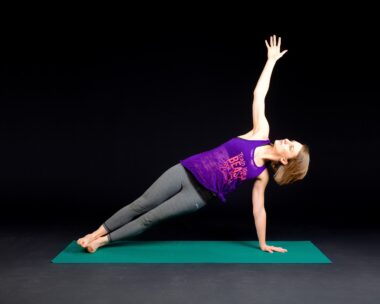
Core stability is essential for overall physical fitness, and advanced core stability workouts are incredibly effective for strengthening various muscle groups in your abdomen and lower back. By immersing yourself in routine bodyweight exercises, you can cultivate a solid foundation that enhances athletic performance and reduces injury risks. Notably, you do not need any equipment to engage in these advanced workouts, making them accessible to everyone. To maximize your core strength without any gym gear, focus on mastering bodyweight techniques like planks, hollow holds, and side bridges. These exercises challenge your core muscles by requiring you to maintain balance and stability throughout various positions.
Implementing dynamic movements into your routine can enhance core engagement and strength. Many advanced workouts incorporate exercises that synchronize with your body’s natural rhythms. For instance, adding rotational movements, like Russian twists or bicycle crunches, allows for progressive overload, which is vital for muscle growth. Moreover, increasing tempo and intensity in your exercises can lead to significant improvements over time. Incorporating additional movements ensures that your workouts remain fresh and challenging. You may explore integrating isometric holds to enhance stability further. Isometric exercises challenge your core without changing its length, leading to effective strength gains. So, whether you’re a beginner looking to advance your fitness journey or an experienced athlete, these workouts will provide a significant boost.
Understanding Isometric Core Workouts
Isometric exercises are an effective and advanced component of core stability training. While typical workouts involve repetitive movements, isometric exercises focus on engaging muscles in a static position. Common isometric exercises include plank holds and wall sits, which challenge your endurance while maintaining muscle tension. You can modify these options to make them more advanced. For instance, try adopting a single-leg stance during planks to target muscles more specifically while improving overall stability. Find the right duration to hold isometric poses, gradually increasing your time commitment for optimal results. Additionally, performing these exercises multiple times a week can lead to significant improvements in strength and endurance.
Integrating Core Stability with Functional Movements amplifies your routine’s efficiency. Functional core exercises, such as mountain climbers or bear crawls, mimic everyday activities, thus enhancing the core’s effectiveness. These exercises not only strengthen your core but also improve your overall physical coordination, agility, and balance. As you perform movements that require various ranges of motion, you’ll create more versatile muscles that can adapt to different scenarios. Ensuring proper technique during these movements is essential to minimize the risk of injuries. Moreover, a strong core is crucial for overall athletic performance, including sports that require agility and strength. Thus, incorporating functional core training is necessary for anyone aiming to enhance their fitness levels.
The Role of Breathing Techniques in Core Stabilization
Incorporating breathing techniques into your core exercises can significantly enhance stability and strength. Focused breathing helps recruit the right muscles for support and helps maintain energy levels throughout your workout. Practice diaphragmatic breathing to engage the abdominal muscles fully, ensuring they activate correctly during your workout. This technique can be especially beneficial during challenging movements, where core engagement is critical for balance and control. Combine proper breathing with exercises like leg raises and planks, ensuring optimal core engagement and stabilization. As you cultivate your breathing patterns during workouts, you’ll notice improvements in your performance and overall strength, resulting in increased endurance.
Consistency is key to achieving success in any fitness program. This holds true for advanced core stability workouts as well. When integrating new exercises, aim to practice consistently, dedicating specific days solely for core workouts. This progressive approach can lead to enhanced stability and strength over time, allowing you to tackle even the most challenging movements. Be patient with your progress, as developing core strength may take time. Measure your achievements by tracking your endurance levels, movements, or even physical performance in daily tasks. Keep your routines stimulating by testing new exercises and adapting progressions to suit your evolving skill set. This adaptability helps maintain motivation and leads to ongoing fitness development.
Nutrition and Recovery for Core Strength
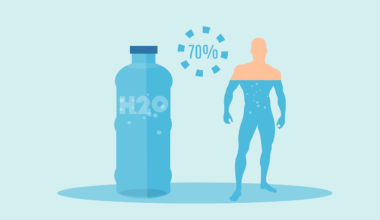
Recovery and nutrition play essential roles in optimizing your core stability workouts. Proper nutrition supports muscle recovery and growth, while adequate rest allows your body to repair itself. Focus on consuming a balanced diet, including protein, healthy fats, and complex carbohydrates for energy. Protein is particularly crucial for muscle recovery, so aim to incorporate sources like lean meats, fish, eggs, nuts, and legumes. Don’t underestimate the importance of hydration before, during, and after workouts. Staying hydrated helps maintain optimal energy levels and allows flexibility throughout your core stability exercises. Finally, allow sufficient rest between workouts to enable your body to heal and grow stronger.
Advanced core stability exercises without equipment enhance your overall fitness and physical capabilities. By understanding workouts and incorporating key techniques like isometric holds, functional movements, dynamic exercises, and focused breathing, individuals can effectively strengthen their core. Ensure that you maintain consistent workout routines and pair them with proper nutrition and recovery practices for optimal results. Adapting your workouts will keep them engaging and help you avoid plateaus in your fitness journey. Listening to your body is vital; if you experience excessive soreness or fatigue, take time to recover before resuming training. Embrace these strategies to achieve a strong, stable core that supports an active lifestyle.