
Gender Differences in VO2 Max and Their Implications for Training
VO2 max, or maximal oxygen uptake, is an important indicator of cardiovascular fitness and aerobic capacity. Studies show that there are significant gender differences in VO2 max, with men typically exhibiting higher values than women. This difference is largely attributable to physiological factors such as body composition and hemoglobin levels. Women generally have higher body fat percentages and lower muscle mass, which can impact their oxygen consumption during exercise. Additionally, elements like lung volume and hormonal variations can also contribute to these differences in endurance performance. Recognizing these biological disparities is crucial for tailored training programs. Acknowledging the impact of these variables can assist in creating individualized workouts that enable women to enhance their VO2 max. By focusing on strength, endurance, and specific training regimens, female athletes can work towards optimizing their performance. Furthermore, nutrition plays a pivotal role in supporting training adaptations. Adequate iron intake, for instance, is particularly important for female athletes. They need to ensure they’re getting sufficient nutrients in order to improve their aerobic capacity and overall health out on the field.
Understanding VO2 Max and Its Importance
VO2 max is essentially a measurement that quantifies the efficiency with which your body can utilize oxygen during physical activity. This metric is vital for athletes and fitness enthusiasts, as it directly correlates with performance levels in endurance sports such as running, cycling, and swimming. Higher VO2 max values indicate improved cardiovascular endurance and overall fitness capability. However, women, on average, have lower VO2 max levels compared to men due to physiological variations. Understanding these distinctions can assist trainers and athletes alike in crafting effective training programs. When constructing training plans for female athletes, it’s essential to prioritize workouts that specifically target improving VO2 max. Such workouts often include interval training, tempo runs, and aerobic conditioning exercises. The inclusion of strength training is also beneficial, as it helps increase muscle mass which can, in turn, enhance aerobic performance. Moreover, it is imperative to monitor training loads and recovery periods effectively to ensure optimal performance gains are achieved without the risk of overtraining. Incorporating these various factors into training strategies allows for enhanced performance in female athletes, supporting their long-term development.
Research indicates that the gap in VO2 max between genders can widen during the menstrual cycle, as hormonal fluctuations influence performance capabilities. During certain phases, women may experience variations in strength and endurance, potentially affecting their training outcomes. Additionally, the physiological stress of exercising may impact how oxygen is utilized in their systems, ultimately influencing VO2 max readings. To combat these variations, it’s essential for female athletes to implement flexible training schedules. Allowing for adjustments based on energy levels can facilitate better performance during high-intensity workouts. Coaches should also educate athletes about recognizing their body’s signals. By understanding personal cycle patterns, women can align their training efforts effectively. Moreover, maintaining open communication between athletes and coaches aids in developing an optimized training approach. This tailored method ensures that workouts are both safe and effective, improving the likelihood of hitting desired performance targets. Overall, addressing these gender-specific factors is crucial in achieving successful training outcomes for female athletes. The right strategies and knowledge can help navigate the complexities of female physiology related to VO2 max.
Training Strategies for Women
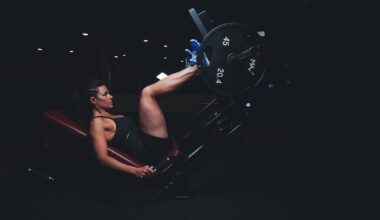
When developing training strategies for women aiming to enhance VO2 max, it’s essential to implement diverse workout routines. Incorporating elements such as high-intensity interval training (HIIT) can significantly improve VO2 max values. Engaging in HIIT not only enhances cardiovascular fitness but also boosts muscular efficiency. Additionally, aerobic activities like running or cycling should be included in their routines, at least three to four times a week, varying in intensity and duration. Such variety helps maximize performance adaptations while maintaining athlete interest. Strength training also plays a vital role in optimizing VO2 max. By building lean muscle, women increase their resting metabolic rates, which positively influences oxygen consumption. It’s advisable for women to perform strength training exercises at least two times a week. This combination of aerobic and anaerobic training facilitates a comprehensive approach to fitness, allowing athletes to elevate their VO2 max efficiently. Likewise, proper rest and recovery are equally important. Understanding the importance of recovery is essential for avoiding injuries and burnout while maximizing training results across different workouts. Skill-building and technique refinement should also be integrated into overall training plans.
Nutrition additionally plays a significant role in achieving optimal VO2 max. For female athletes, understanding nutritional requirements is vital for performance enhancement. Focusing on a balanced diet that includes adequate carbohydrates helps fuel intense workouts. Alongside carbs, protein intake is essential for muscle recovery and growth. Iron-rich foods are particularly important for women, to counteract any deficiencies stemming from menstruation and intense physical training. Foods rich in vitamin C should be included as they enhance iron absorption. Proper hydration is another critical aspect, as dehydration can detrimentally affect performance. Athletes should be encouraged to maintain fluid balance before, during, and after workouts. Supplements like omega-3 fatty acids and antioxidants may also support overall health and recovery processes for female athletes. When combined with effective training strategies and techniques, nutritional interventions enhance the likelihood of improving VO2 max levels. Ultimately, paying attention to dietary habits ensures that athletes are equipped nutritionally to meet their training demands and physical goals. By prioritizing nutritional needs, women can succeed in their fitness endeavors, resulting in improved endurance and athletic performance.
Conclusion
In conclusion, acknowledging gender differences in VO2 max is crucial for athletic training, as it allows for the development of tailored programs for women. Understanding the physiological rationale behind these differences empowers trainers and athletes to create effective strategies for enhancing performance. Training should encompass high-intensity workouts balanced with appropriate strength conditioning, while also considering hormonal influences on performance levels. Furthermore, the significance of nutrition cannot be overstated, as it directly impacts an athlete’s ability to perform and recover. Prioritizing hydration, macronutrient balance, and micronutrient adequacy can significantly influence improvements in VO2 max and endurance performance. Given the complexity of female physiology, coaches and trainers should remain educated about best practices when working with women in sports. By staying informed and creative in training designs, the chances of optimizing performance outcomes increase substantially. Embracing a holistic approach that addresses physiological, nutritional, and psychological factors can lead female athletes toward their highest potential in fitness and competition. Through implementing these comprehensive strategies, significant advancements in VO2 max can be achieved in women athletes, enabling them to excel in their respective fields.