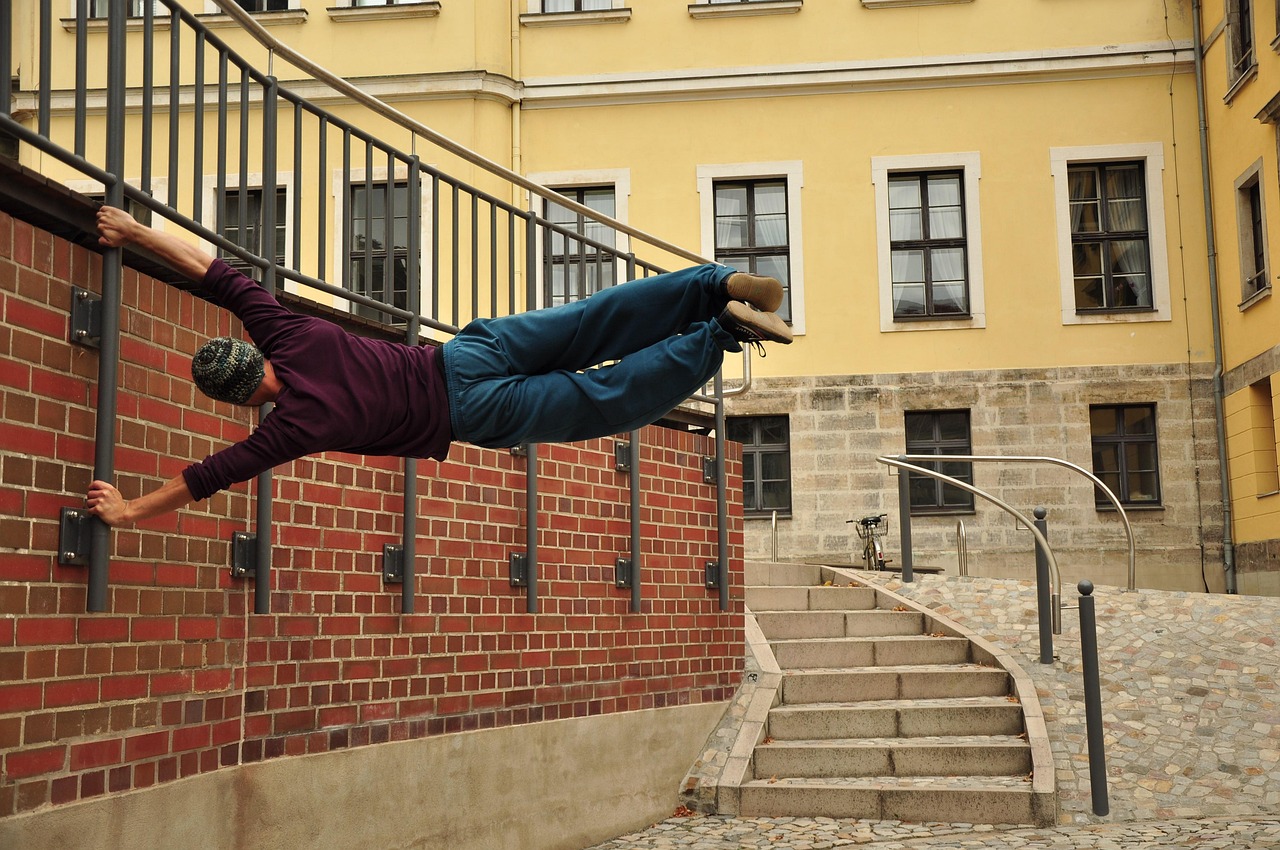

Basic Vaults for Kids Just Starting Parkour
Parkour is an exciting physical discipline that encourages kids and beginners to explore movement and creativity. One of the fundamental techniques in parkour is learning basic vaults, which help build confidence and strength. Vaults can vary in complexity but start with simple movements that are accessible for younger athletes. By mastering these skills, kids will develop coordination and grace, making their experience enjoyable and rewarding. It’s essential to focus on safety and proper technique when practicing vaults, as understanding the mechanics involved will minimize the risk of injury. Additionally, finding a safe environment outdoors or at a gym with ample space will enhance the learning experience. With guidance, kids will feel free to express themselves while developing their parkour skills. Coaches and experienced practitioners can provide helpful tips to ensure children understand each movement clearly. Kids benefit significantly from being part of a community that encourages them to challenge themselves and support one another in their journey. As they learn different vaults, their passion for parkour grows, turning it into a lifelong pursuit of fitness and fun.
There are various basic vaults every child should learn when starting their parkour journey. One of the first and most essential vaults is the “Monkey Vault.” To execute a monkey vault, the practitioner runs towards a low obstacle, jumps onto it and pushes off with both hands while swinging their legs underneath. This technique helps in developing upper body strength while also improving timing and coordination. Another primary vault is the “Dash Vault,” which is great for more dynamic movements. This involves running toward an obstacle, leading with one leg while placing both hands on the object, and launching the body over it. It’s crucial, however, that beginners practice these vaults on soft surfaces or padded mats initially to prevent falls. Furthermore, practicing these skills regularly enhances muscle memory, making progress more consistently achievable. Engaging with peers during practice can also make learning these movements much more enjoyable. Children learn better in group settings where they can share experiences and motivate one another. The excitement surrounding these vaults can ignite a genuine passion for parkour and physical activity amongst kids.
Importance of Fundamental Skills
Understanding the fundamental skills in parkour is essential for children and beginners. Skipping the basics may lead to improper techniques that could increase injury risks. Proper warm-up exercises are also vital before attempting any vault, as they prepare the muscles and joints for exertion. Kids should learn to stretch effectively to enhance their flexibility and agility, which are crucial when learning vaults. Techniques such as falling safely can significantly decrease injuries. A well-prepared athlete is more likely to approach movements confidently, minimizing both physical strain and discouragement when learning new skills. Coaching or instructional videos can be valuable resources for reinforcing the learning process. The steady progression through various vault techniques provides valuable life skills like patience and perseverance, as it can take several attempts before mastering a particular move. Additionally, celebrating small victories creates a positive environment that motivates kids to push their limits further. Engaging in parkour also opens up opportunities for social interactions, where children form friendships with others who share similar interests. The act of learning together fosters camaraderie among peers, thus enriching their overall experience.
Prep work is crucial before trying out different vaults; hence, conditioning is emphasized. Important exercises include push-ups, squats, and core workouts to strengthen the pivot joints involved in vaulting. Practicing handstand holds improves shoulder stability, which is beneficial for executing overhead movements. It also helps in enhancing control for the body when moving quickly and attempting tricks. Furthermore, kids should not underestimate the importance of mental preparation as well. Visualization techniques can help them mentally rehearse executing the vaults, which boosts their performance when they physically try it. Along with mental rehearsal, engaging in play and navigating through different environments can increase overall adaptability. Finding creative and fun ways to integrate physical training makes learning more approachable for younger generations. As children gain confidence with basic vaults, families can encourage outings to explore various suitable parks or locations for practicing. This flexibility allows them to experience the freedom and creativity that parkour embodies. Working alongside friends or family creates opportunities for shared experiences and learning new challenges together.
Progression and Beyond Basics
Once kids gain some confidence with basic vaults, the journey through parkour doesn’t stop there. They can start exploring more intermediate and advanced techniques that further challenge their skills while still being reflective of their foundation. Progressing to moves like the “Kong Vault” increases their repertoire significantly. The Kong Vault requires more advanced timing and upper body strength, encouraging young athletes to refine their techniques continually. As they master these, it’s essential to instill in them the value of patience and dedication. Each attempt at these vaults teaches them something new about their capabilities. Regularly challenging themselves can lead to discovering different styles and preferences in movement, which enhances creativity in their practice. It is also beneficial to explore different parkour communities or workshops where they can connect with skilled practitioners. Exposure to variety will elevate their training and motivate them to push their limits. Incorporating skills beyond vaults, like flips and rolls, creates a more well-rounded practitioner. Each new challenge will further enhance their parkour journey, making their learning process exciting and fulfilling as they continue to grow.
Safety should always remain a top priority throughout your practice. When preparing for more complex vaults, using appropriate protective gear such as pads and a well-fitted helmet is strongly encouraged. This precaution can help mitigate many risks associated with parkour. Whenever children work on techniques with friends, it is vital to encourage supervised practice. Seasoned practitioners can help monitor new learners’ techniques to ensure they adopt safe practices. Observing experienced athletes reinforces learning, providing visual examples of how to perform movements correctly. Even more, openly discussing the importance of observing safety allows kids to recognize their physical limits. Every parkour move has its angles and challenges; hence, understanding failure as part of the learning curve is essential. Mistakes merely represent learning opportunities that foster resilience. Kids will feel empowered to keep trying with numerous attempts. They can keep their spirits high by focusing on gradual improvements. Parkour fosters a positive outlook on overcoming life’s obstacles, ultimately leading to improved confidence and goal-setting capabilities. The community around parkour can be uplifting, encouraging safe practices that lead to memorable experiences.
Conclusion: The Journey Begins
Parkour is a journey filled with excitement, creativity, and self-discovery. As children learn the basic vaults, they also dive into an unmatched adventure that teaches them not only how to vault but also how to overcome challenges in life. The supportive practice environment will foster friendships, while the gradual increase of skills keeps them motivated. From completing a monkey vault to feeling accomplished after nailing a Kong vault, each step marks a significant achievement in their parkour endeavor. It is essential to celebrate these accomplishments regardless of scale; encouragement plays a huge part in maintaining enthusiasm. As they continue forward, the bond formed with parkour will guide their physical development and personal growth. A parkour journey can last a lifetime, and the skills learned can translate into other life areas, helping kids stay active in various outdoor pursuits. Lastly, parents and caregivers can play a crucial role in nurturing this growing interest by facilitating opportunities, providing access to parks, and celebrating their child’s achievements. Unlocking a love for parkour rouses not just physical prowess but also instills valuable life lessons that last well beyond childhood.
Parkour and freerunning present unique opportunities for kids and beginners to explore movement creatively. Basic vaults, foundational to this discipline, serve both as exciting challenges and key skills for young practitioners. By focusing on these basic movements, children will build not only physical strength but also mental resilience. As they practice regularly, they develop coordination and agility, which pave the way for more advanced techniques in the future. Moreover, creating a supportive and fun learning environment encourages kids to express themselves freely while learning parkour principles. Engagement through peer interaction not only makes learning enjoyable but also strengthens their social skills. With encouragement, kids can tackle various obstacles, learning to overcome challenges along the way. By embracing the philosophy of parkour, youngsters learn to approach life’s obstacles creatively, leading to personal growth. Safe practice environments, proper guidance, and a positive mindset are essential to this journey of self-discovery. Coaches can introduce further techniques as children gain basic mastery. As they progress, kids will feel empowered to continue their exploration, unlocking new potential and building a lifelong passion for physical activity. The journey in parkour can be an enriching adventure that shapes their character and fitness philosophy.